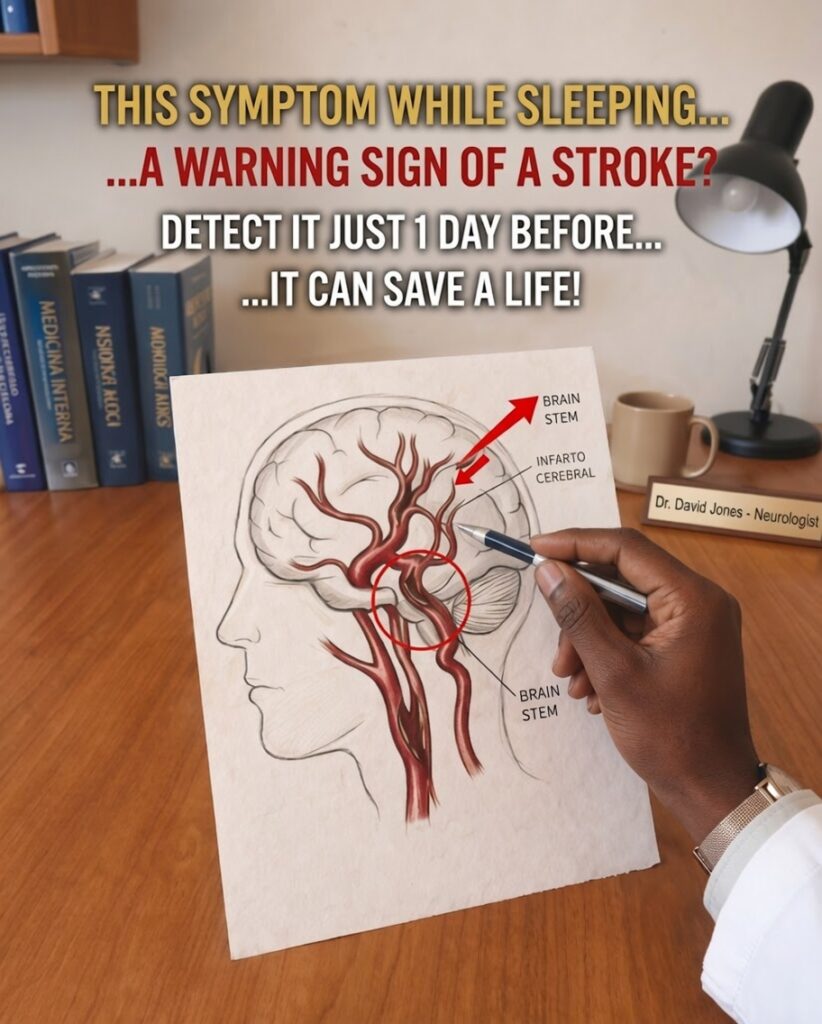
A small, easily missed sign during sleep could be your brain’s way of asking for help.
Waking up feeling “off” after a rough night is common—maybe a brief tingling in your arm that fades quickly, or a wave of dizziness when you sit up in bed. Many people brush these moments aside as stress, fatigue, or sleeping in an awkward position. However, research suggests that certain changes noticed while falling asleep or upon waking can be meaningful warning signals. A retired physician has highlighted one recurring experience reported by some individuals in the days leading up to a more serious brain event. Understanding these subtle symptoms can help you respond sooner and protect your health.
Stroke remains one of the leading causes of disability worldwide, and it often doesn’t arrive with a dramatic, unmistakable warning. What makes it especially concerning is that some symptoms can appear briefly at night or right before sleep and then disappear—creating the false comfort that “it’s probably nothing.” That uncertainty can lead to delay, and delay is exactly what increases risk. The good news: recognizing early red flags and knowing what to do next can make a real difference.
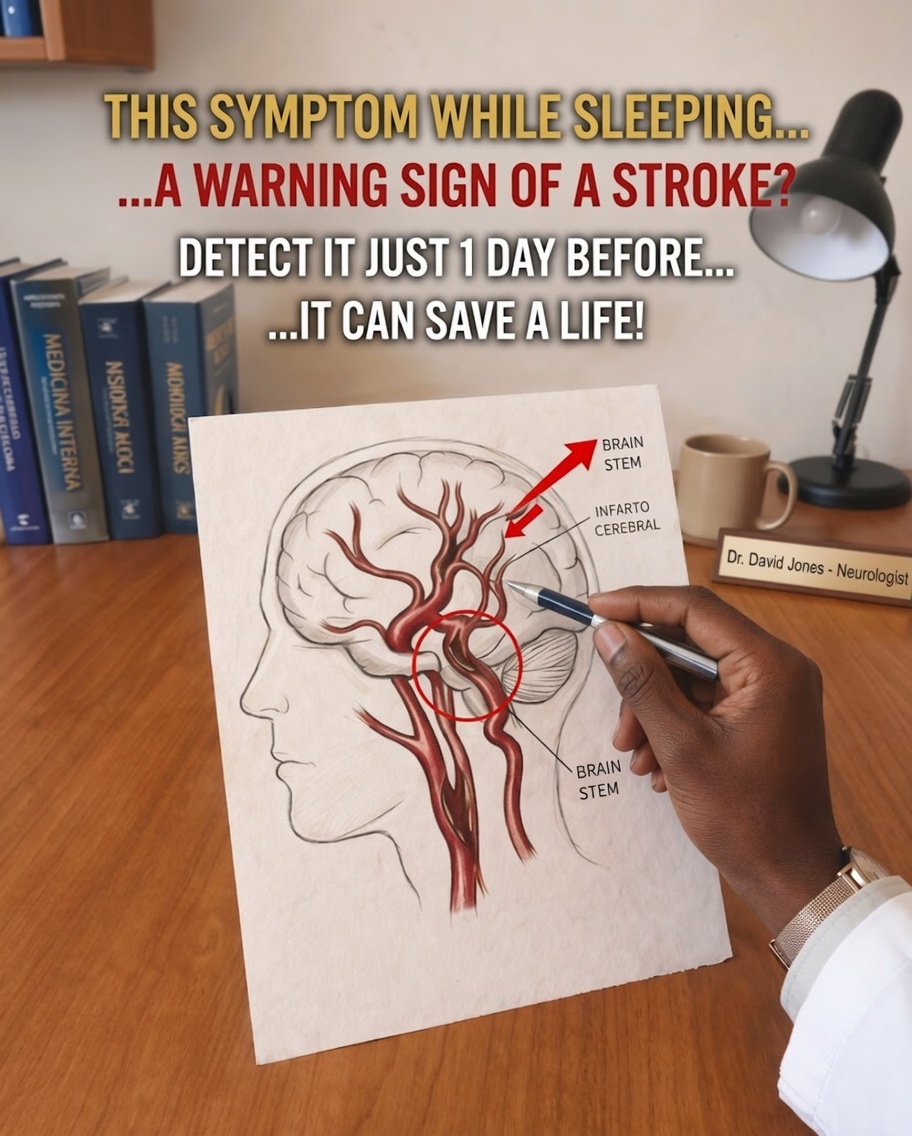
Classic Stroke Warning Signs (That Can Happen During Sleep)
Health organizations consistently highlight several key symptoms that may indicate a stroke or another serious neurological problem:
- Sudden numbness or weakness, especially on one side of the body
- Confusion or trouble speaking or understanding speech
- Vision changes in one or both eyes
- Dizziness, trouble walking, or loss of balance/coordination
- A severe, sudden headache with no clear cause
These signs can occur at any time—including overnight. Some people wake up already experiencing symptoms, without knowing when they started.
What Often Comes First: Temporary Episodes (TIAs)
Studies show that brief episodes called transient ischemic attacks (TIAs)—often referred to as “mini-strokes”—may occur days before a larger stroke. A TIA can cause stroke-like symptoms, but they typically last minutes to up to an hour, then resolve completely.
Even though a TIA may not leave permanent damage, it is a serious warning that blood flow to the brain may be intermittently blocked or reduced. In many cases, these episodes appear in the final days leading up to a major stroke.
A crucial detail: TIAs and other short-lived neurological symptoms can occur at night or around bedtime. Because they pass quickly, many people ignore them—assuming the cause is fatigue, posture, or a “bad night.”
The Subtle Sign Many People Dismiss
Some individuals report mild, short-lived changes when drifting off to sleep or when waking up, such as:
- Tingling or numbness on one side of the body that fades
- Dizziness when lying down or getting up
- A brief inability to find words, speak clearly, or organize thoughts
- Blurred vision in one eye that improves quickly
These may feel minor—like a “heavy” arm for a few minutes, or a moment of unusual word-finding difficulty during an evening conversation. But even when symptoms vanish fast, they can still point to temporary changes in cerebral blood flow.
Several factors may contribute to nighttime episodes, including blood pressure fluctuations, heart rhythm changes, and breathing disturbances during sleep. Conditions such as sleep apnea are also associated with higher long-term stroke risk.
Why People Ignore Brief Nighttime Symptoms
It’s human nature to downplay symptoms that don’t last—especially at night. Thoughts like “I slept wrong” or “I’m just exhausted” are easy to accept. Unfortunately, this can delay medical evaluation and reduce prevention opportunities.
Research also suggests symptom patterns may differ: women may experience more subtle warning signs, while men may more often notice clearer symptoms such as pronounced one-sided weakness. Regardless of sex, many people take a “wait and see” approach—where the danger lies.
What You Can Do Right Now to Lower Stroke Risk
Healthy daily habits can support brain health and reduce stroke risk over time:
- Protect your sleep: aim for 7–9 hours nightly; seek help for loud snoring or persistent daytime fatigue
- Monitor blood pressure: hypertension is a major stroke risk factor
- Move regularly: even daily walking helps
- Eat for brain and heart health: focus on fruits, vegetables, whole grains, and healthy fats
- Manage chronic conditions: keep diabetes, high cholesterol, and heart disease under control
If you experience sudden symptoms—even if they disappear—note the time and seek medical attention immediately.
FAST Method: A Simple Stroke Checklist
Use FAST to spot urgent warning signs quickly:
- Face: Does one side droop when smiling?
- Arms: Can both arms be raised evenly?
- Speech: Is speech slurred, strange, or confusing?
- Time: Call emergency services immediately
Even if symptoms improve, it’s still essential to report them to a healthcare professional.
Everyday Habits That Increase Risk
Certain lifestyle factors can raise the likelihood of stroke over time:
- Smoking or using nicotine products
- Heavy alcohol consumption
- Sedentary lifestyle and excess weight
- Ongoing stress and a poor-quality diet
Small, consistent improvements can create meaningful long-term protection.
Frequently Asked Questions
Can a symptom during sleep signal something serious?
Yes. Brief changes in sensation, speech, balance, or vision can be linked to temporary interruptions in blood flow to the brain. Sudden or recurring episodes should be evaluated promptly.
What if the symptoms disappear quickly?
Treat it seriously. Short-lived symptoms may still indicate a TIA or another urgent issue. Seek medical care as soon as possible.
Can you reduce stroke risk without medication?
Often, yes—especially for prevention. Better sleep, healthier eating, regular exercise, weight management, and stress reduction are proven protective steps. Some people will still need medication depending on risk factors.
Conclusion
Paying attention to your body—especially at night or when waking—doesn’t mean living in fear. It means living with awareness. Small, temporary changes can be early warnings that deserve respect. By recognizing patterns, acting quickly, and adopting healthier habits, you improve your chances of prevention and long-term well-being.
Share this information with people close to you. Sometimes, a simple warning can truly change an outcome.
Disclaimer: This content is for informational purposes only and does not replace professional medical advice. If you experience sudden symptoms, seek emergency care immediately.