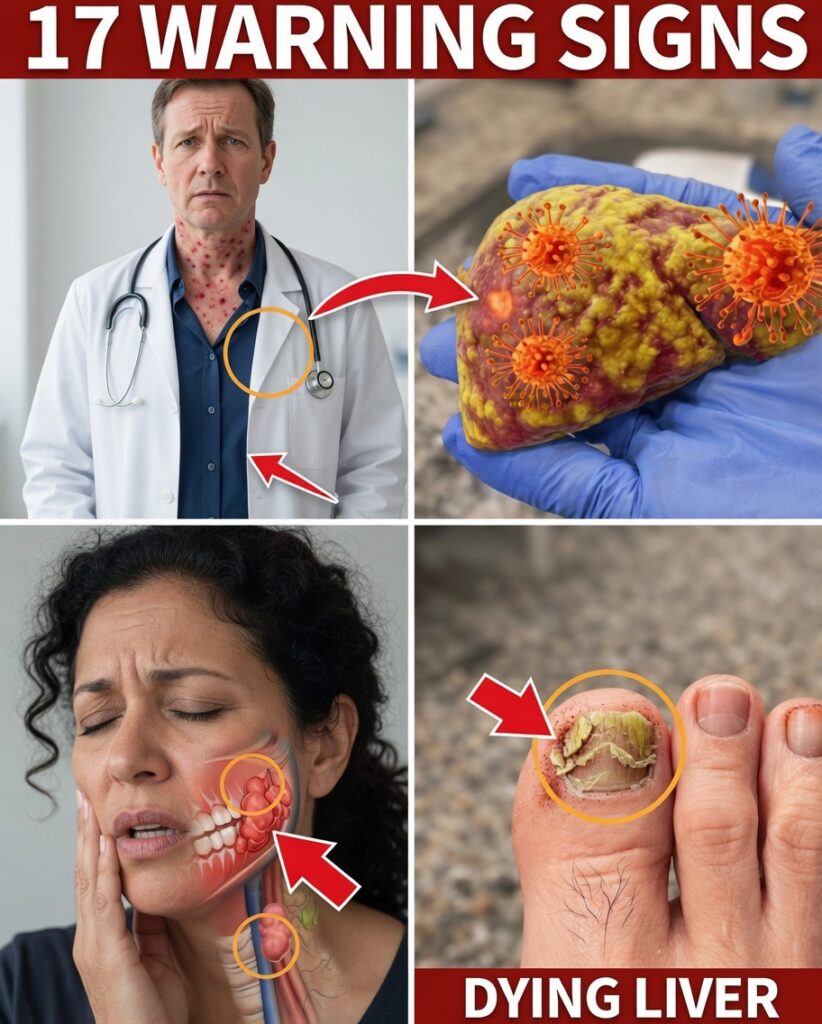
17 Silent Signs of Fatty Liver — and How to Support Recovery Naturally
Many people live for years with excess fat building up in the liver without realizing it. This condition is commonly called fatty liver disease, and today it’s often referred to as metabolic dysfunction–associated steatotic liver disease (MASLD). It’s widespread—and in the early stages, it usually stays quiet, with no obvious symptoms.
As the condition progresses, however, the body may start sending subtle signals. The problem is that these changes can look like everyday fatigue or minor discomfort, so they’re easy to dismiss—sometimes until the disease becomes more advanced.
The encouraging part: noticing early warning signs and acting early can make a real difference.
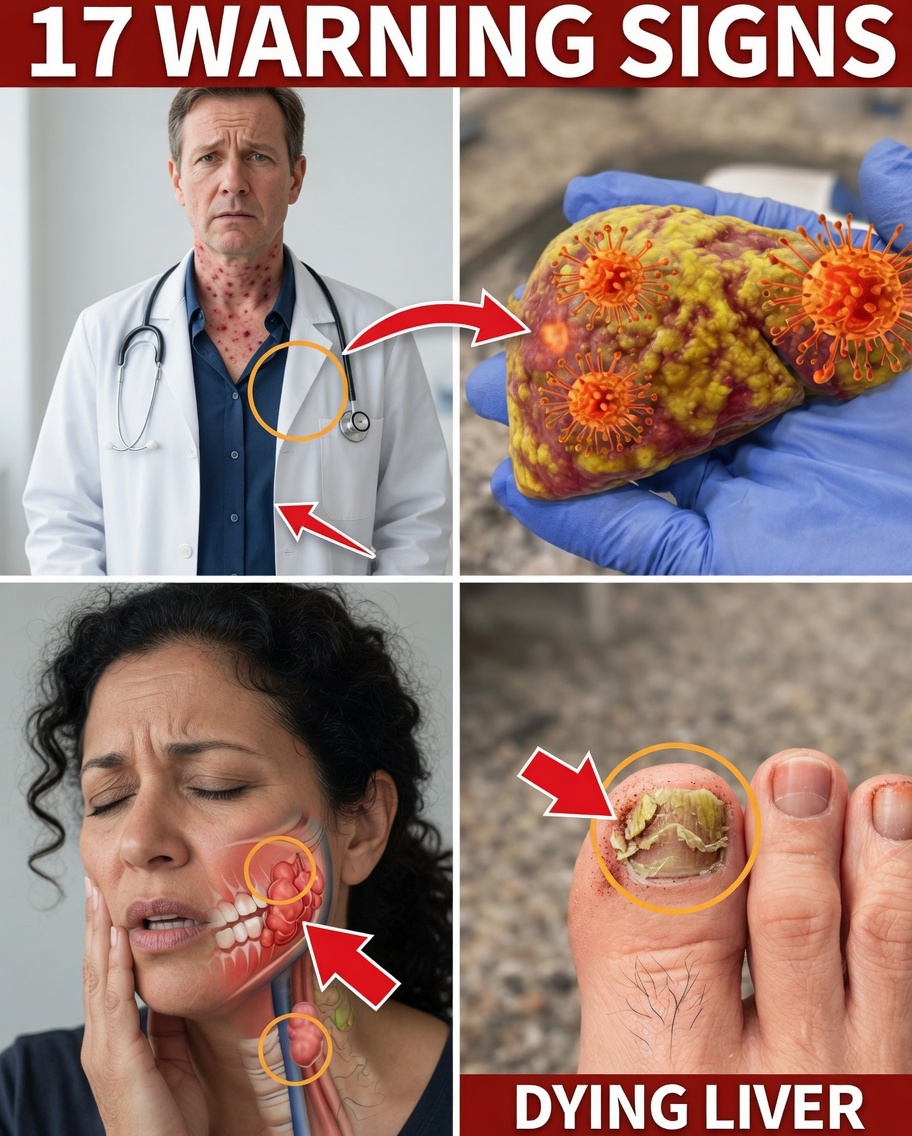
What Is Fatty Liver Disease, and Why Does It Matter?
Fatty liver disease happens when too much fat accumulates inside liver cells. It is commonly linked to metabolic risk factors such as:
- Excess body weight
- High blood sugar or insulin resistance
- High cholesterol or triglycerides
In its early phase, MASLD may cause little disruption and can often improve with lifestyle changes. But if inflammation develops—sometimes described as MASH (metabolic dysfunction–associated steatohepatitis)—the risk rises for more serious complications, including liver scarring (fibrosis).
This matters because the liver is essential for life. It helps:
- Filter toxins from the blood
- Process nutrients from food
- Regulate energy storage and release
When fat overload slowly strains the liver, function can gradually decline.
Early Signs: The Most Common Mild Symptoms
Even though fatty liver disease is often “silent,” some people notice gentle, non-specific symptoms such as:
- Ongoing fatigue — feeling tired even after a full night’s sleep
- General malaise — a vague sense that you’re “not quite well”
- Discomfort in the upper right abdomen — pressure or mild ache under the ribs
These may suggest the liver is working under extra stress.
17 Symptoms That Deserve Attention
As MASLD progresses, additional signs can appear. Pay attention if you notice:
- Severe fatigue or persistent weakness
- Unexplained weight loss
- Reduced appetite
- Nausea after meals
- Pain or fullness in the upper right abdomen
- Itchy skin without a clear cause
- Abdominal swelling (more typical in advanced stages)
- Swelling in the legs or ankles
- Yellowing of the skin or eyes (jaundice)
- Spider-like visible blood vessels on the skin
- Red palms
- Easy bruising or bleeding
- Dark urine
- Brain fog, confusion, or trouble concentrating
- Shortness of breath
- Enlarged spleen
- Enlarged liver
Important: more serious symptoms—such as jaundice or significant swelling—often appear later and should be treated as urgent reasons to seek medical evaluation.
How to Support Liver Health Naturally
Simple, consistent habits can support liver recovery—especially in early stages of fatty liver disease.
-
Aim for gradual weight loss
Losing about 5% to 10% of body weight can noticeably improve liver fat and metabolic health. -
Choose a balanced, whole-food diet
Focus on:- Vegetables and fruits
- Whole grains
- Lean proteins
- Healthy fats (such as olive oil and avocado)
Limit ultra-processed foods and excess added sugar.
-
Exercise regularly
Target at least 150 minutes per week of moderate activity (for example, brisk walking). -
Stay well hydrated
Water supports normal metabolic function and helps the body eliminate waste products. -
Reduce alcohol intake
Alcohol adds extra strain to the liver, especially when liver fat is already present. -
Manage metabolic markers
Monitor and address:- Blood glucose
- Cholesterol and triglycerides
- Blood pressure
When Should You See a Doctor?
Seek medical advice if you have persistent fatigue, upper-right abdominal discomfort, or any warning signs such as yellowing of the skin/eyes, swelling, or dark urine. Routine blood tests and imaging can often detect liver changes early—sometimes before symptoms are noticeable.
Conclusion
Your liver works quietly every day to keep your body in balance. Subtle changes—like ongoing tiredness or mild abdominal discomfort—can sometimes be your body’s early request for support.
Catching fatty liver disease early and committing to healthier habits can significantly improve long-term well-being. Start with one manageable change today—your future health may depend on it.
FAQ
What are the first signs of fatty liver disease?
Often there are no clear symptoms, but fatigue and upper-right abdominal discomfort are common early complaints.
Can fatty liver disease be reversed?
Yes. In many cases—especially early on—fatty liver can improve or even resolve with consistent lifestyle changes.
How is fatty liver disease usually discovered?
It’s frequently found during routine checkups, since many people have no noticeable symptoms.
Disclaimer: This content is for informational purposes only and does not replace medical advice. Always consult a qualified healthcare professional for diagnosis and treatment.