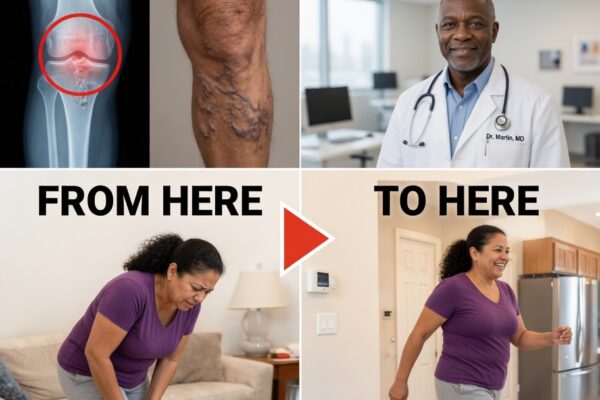
Don’t Ignore Leg Weakness — Early Clues Can Protect Your Brain and Your Health
Picture this: you wake up and, as you try to stand, one leg feels unusually heavy. It’s not just stiffness—it’s as if your leg doesn’t fully follow your brain’s command. Many people brush it off as poor sleep posture or simple fatigue. But sometimes, that “small” change can be your body’s early warning sign that something more serious may be happening—possibly involving brain blood flow.
Leg symptoms that seem harmless at first—sudden weakness, numbness, or unexplained tingling—are especially common in adults over 60. They may appear out of nowhere and fade quickly. Even so, these changes can be linked to circulation problems and vascular conditions that also affect the brain. The key takeaway: recognizing these warning signs early can make a major difference.
How Leg Changes Can Be Connected to Brain Health
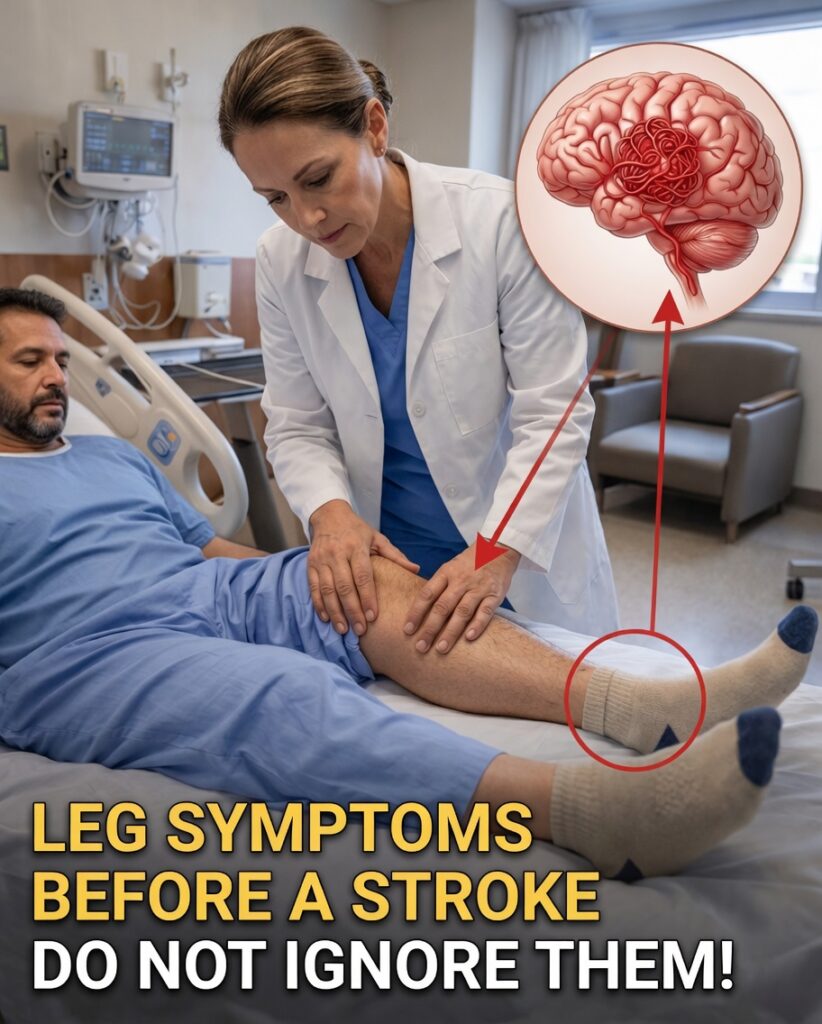
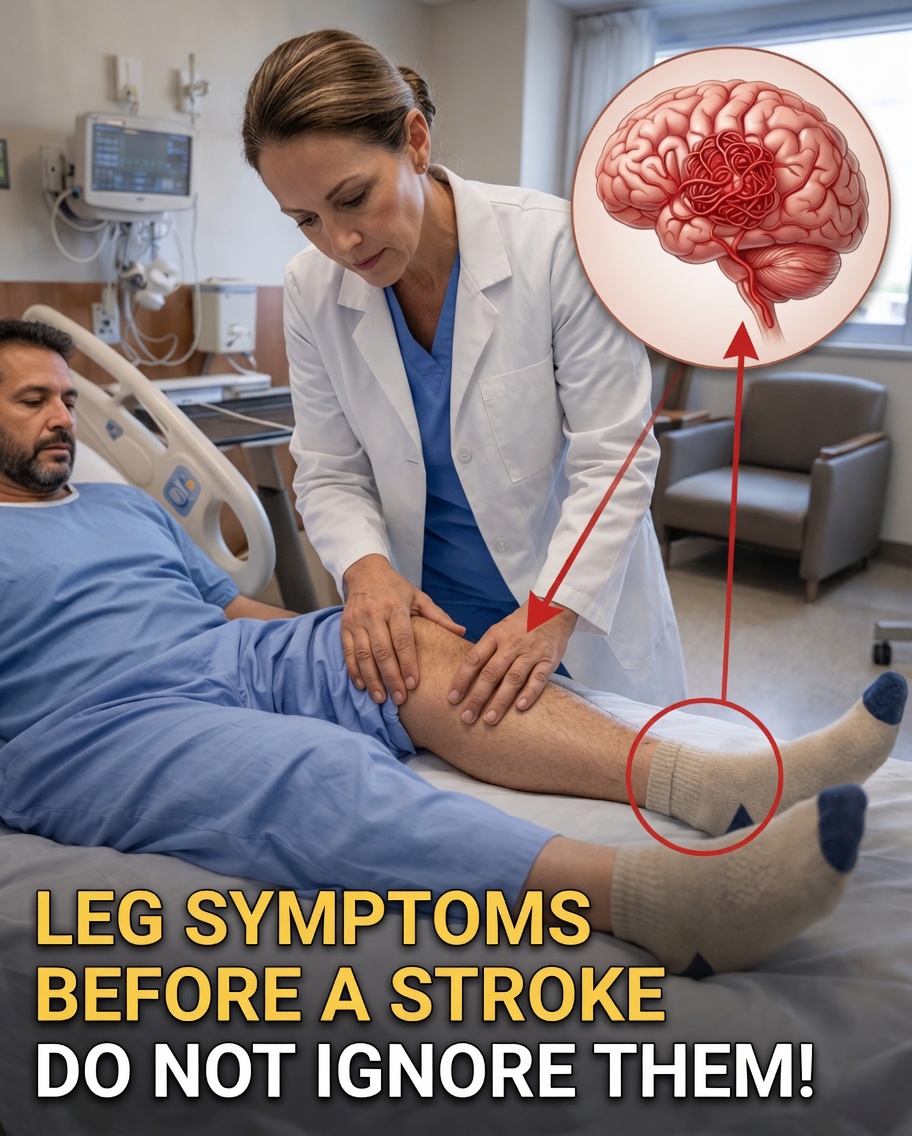
Your legs and brain may feel far apart, but they’re tightly linked through blood vessels and nerves. When blood flow is reduced or interrupted, symptoms can show up in different areas of the body—including the legs.
A sudden weakness or numbness on one side of the body can be a sign of a temporary reduction in blood supply to the brain, often described as a transient ischemic attack (TIA) or “mini-stroke.” In addition, conditions like peripheral artery disease (PAD)—which narrows arteries in the legs—share many of the same risk factors as stroke and other brain-related vascular issues, including:
- High blood pressure
- Diabetes
- High cholesterol
- Smoking
As we age, blood vessels often become less flexible, which increases the likelihood of circulation-related problems. That’s why any new or sudden leg symptom deserves attention.
Leg Symptoms You Should Never Dismiss
Watch closely for these signs—especially if they start suddenly:
- Weakness or a heavy feeling in one leg
- Numbness or tingling on one side of the body
- Trouble with balance or coordination
- Cramps or unusual fatigue that doesn’t improve with rest
These symptoms are not the same as everyday aches after activity. In more concerning cases, they may occur alongside speech difficulties or vision changes.
Important: even if symptoms disappear quickly, they still should not be ignored.
Why Older Adults Are More Vulnerable
With age, circulation risks rise. Long-term conditions like hypertension and diabetes can slowly damage blood vessels. A sedentary routine and a history of smoking can further increase vascular strain.
Awareness matters. The sooner you recognize a warning sign, the greater your chance of preventing serious complications.
The FAST Method: Quick Action Can Save a Life
A simple tool to spot urgent stroke warning signs is FAST:
- F (Face): Does one side of the face droop?
- A (Arms/legs): Is there weakness on one side?
- S (Speech): Is speech slurred or confused?
- T (Time): Get emergency help immediately
Do not wait to see if symptoms fade.
Simple, Natural Habits That Support Long-Term Health
You can take practical steps today to support healthy circulation and brain health:
- Do regular light physical activity (walking, gentle strength work, stretching)
- Keep blood pressure, blood sugar, and cholesterol under control
- Choose balanced, minimally processed foods
- Avoid smoking
- Prioritize quality sleep and reduce chronic stress
- Stay well-hydrated
Small changes, done consistently, can create meaningful benefits over time.
Common Questions
-
Can symptoms disappear and still be serious?
Yes. Temporary episodes can signal a higher risk of a future event. -
Does this only happen to older people?
No, but risk increases with age. -
What should I do if I’m unsure?
Seek medical evaluation immediately—especially if symptoms are sudden.
Conclusion
Your body often signals when something isn’t right. Unusual sensations in the legs can be more than simple tiredness—they may be an important warning related to circulation and brain health.
Staying alert, acting quickly, and maintaining healthy daily habits are essential steps to protect your well-being and quality of life. Share this information with family members—an informed decision today could save a life tomorrow.
Disclaimer: This content is for informational purposes only and does not replace professional medical advice. In an emergency, seek immediate medical care.