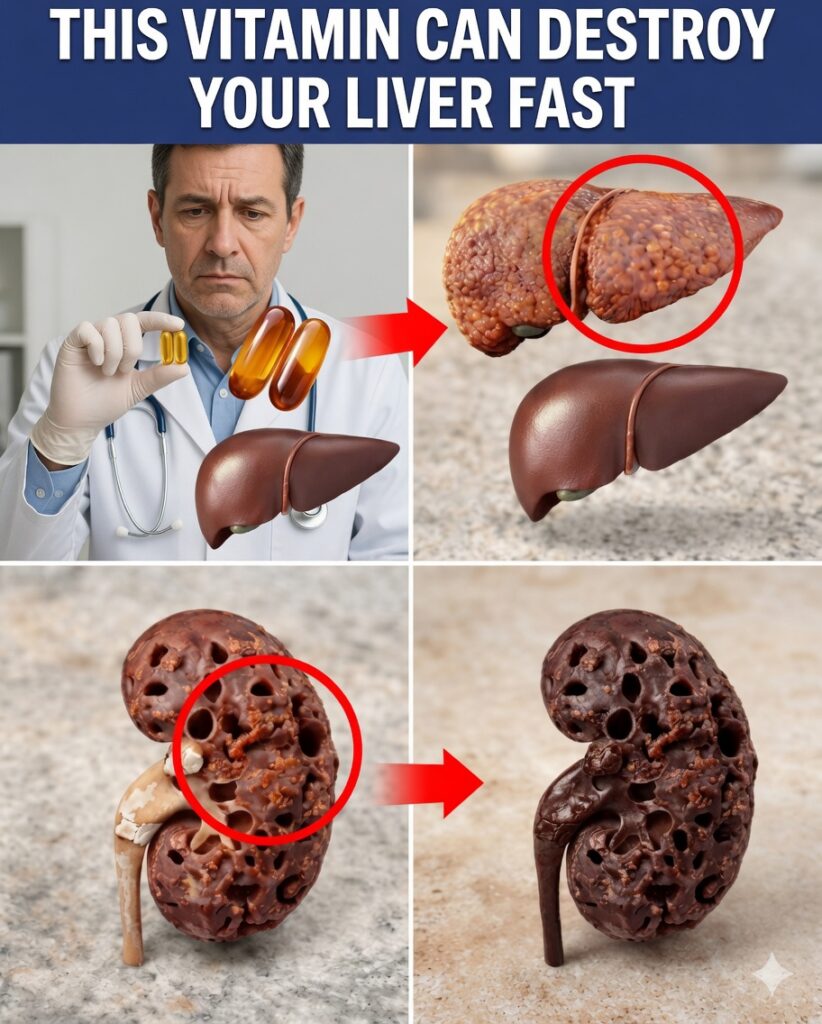
Feeling Tired, Bloated, or Dealing With Unexplained Aches? It Might Not Be “Getting Older”—It Could Be Supplement Overuse
More than half of adults take supplements daily to boost energy and support overall health. But what if some of those “helpers” are quietly doing the opposite? That subtle side pain, persistent bloating, or sudden fatigue you chalk up to aging could be early warning signs.
The good news: you don’t have to give up your wellness routine. You just need to understand it better—and adjust it wisely. What you learn by the end of this article could change how you approach supplements for good.
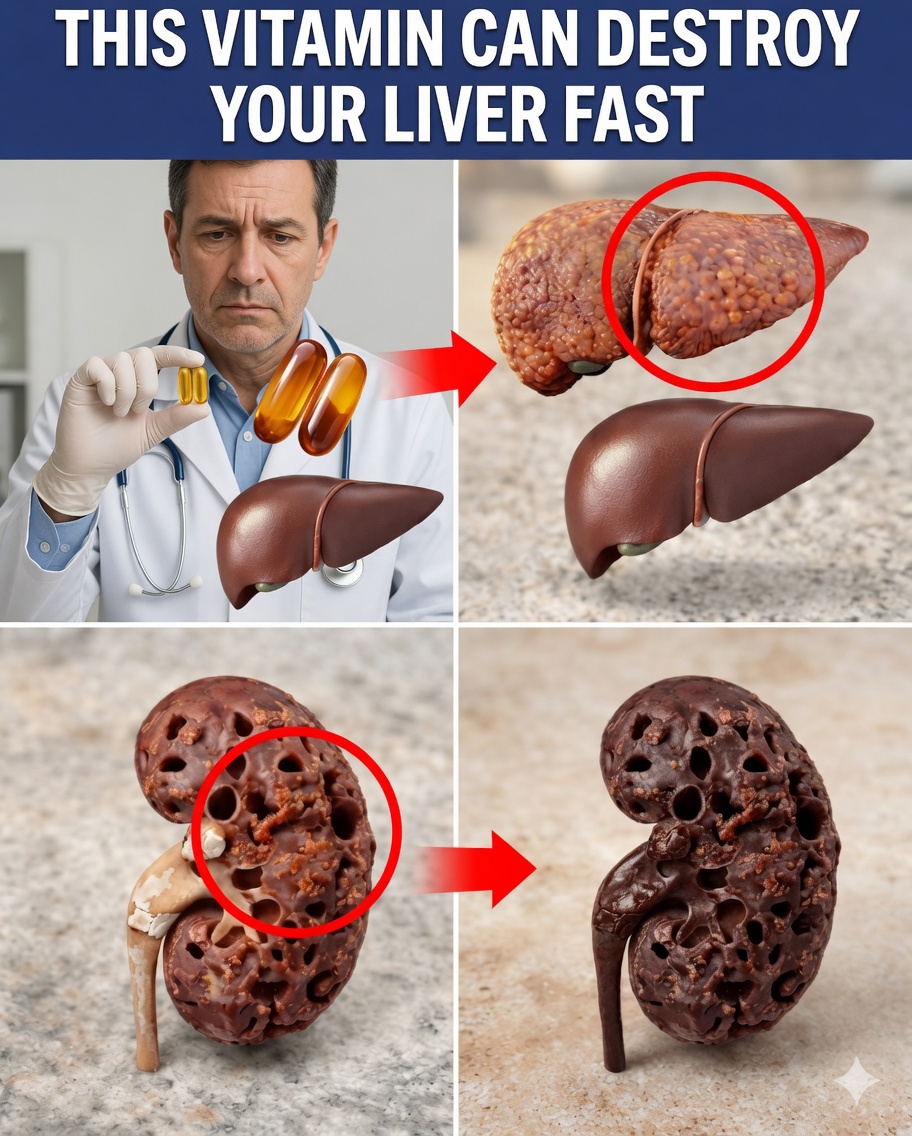
The Quiet Supplement Epidemic
After 40, it’s common to notice lower energy, stiffer joints, and increased concern about long-term health. It’s no surprise that vitamins and herbal products have become part of everyday life.
The real issue usually isn’t supplements themselves—it’s taking them without guidance, at the wrong dose, or stacking multiple products that overlap. Side effects can build gradually: mild swelling, changes in liver markers, or even kidney stones. Many people never connect these symptoms to what they take every morning.
9 Popular Supplements That Deserve Extra Caution
1. Vitamin D
Vitamin D is essential, but high doses over time can strain the kidneys.
A natural option: 10–15 minutes of daily sunlight exposure (when appropriate for your skin type and climate).
2. Multivitamins
Convenient, but they can contribute to excess intake of fat-soluble vitamins (like A and E), increasing the workload on the liver.
Better approach: prioritize a nutrient-rich diet and supplement only what you truly need.
3. Kava (Kava-kava)
Often used for relaxation and stress, but higher doses have been linked to liver concerns.
Gentler alternative: chamomile tea for calming support.
4. Red Yeast Rice
Sometimes used for cholesterol, but it can act similarly to statin medications and may affect liver function.
Safer foundation: diet changes and medical guidance for cholesterol management.
5. Calcium
Important for bone health, yet too much supplemental calcium may raise the risk of kidney stones in some people.
Food-first sources: leafy greens and moderate dairy intake.
6. St. John’s Wort (Hypericum)
This herb can interact with many medications and increase strain on liver metabolism pathways. If you take prescriptions, this is one to review carefully with a professional.
7. Green Tea Extract
Highly concentrated extracts may place stress on the liver in certain cases.
Safer choice: brewed green tea instead of mega-dose capsules.
8. Protein Supplements
Protein can be helpful—especially for active adults—but excessive intake may burden the kidneys, particularly if hydration is poor or kidney function is already reduced.
Key principle: balance and individualized targets.
9. Garcinia Cambogia
Popular for weight loss, but there are reports of potential liver impact.
Best long-term strategy: nutrition, sustainable calorie control, strength training, and daily movement.
Hidden Ingredients That Can Be a Bigger Problem Than the Supplement Itself
Beyond the main “active” ingredients, some products include additives and contaminants that deserve attention, such as:
- Artificial dyes (e.g., Red 40, Yellow 5)
- Hydrogenated oils (trans fats)
- Heavy metals in low-quality omega-3 products
- Talc (magnesium silicate)
Simple rule: read the label. If it looks like a long chemistry experiment, think twice.
5 Practical Steps to Protect Your Health Naturally
- Get basic blood tests regularly
- Read labels carefully and avoid unnecessary filler ingredients
- Choose whole foods as your main source of nutrients
- Drink enough water daily
- Pay attention to your body’s signals and adjust early
The overlooked truth: a real-food diet plus a small number of high-quality, truly necessary supplements is often safer—and more effective—than taking many products at once.
What Truly Changes Everything
Knowledge is leverage. A simple lab panel can reveal what your body actually needs—and what it doesn’t. Instead of guessing, you can make decisions based on real data.
Picture yourself 30 days from now with more energy, clearer thinking, and more confidence in your health routine. Small changes today can prevent bigger issues later.
Start with one simple step: review your supplement list or schedule basic lab work. Your body will feel the difference.
FAQ
Are all supplements dangerous?
No. When used correctly and with proper guidance, supplements can be very helpful.
How do I know if my supplement is safe?
Look for third-party certifications such as USP or NSF, and pair supplementation with updated lab results whenever possible.
What should I do first?
Consider checking liver function and kidney function tests to get an accurate baseline.
Disclaimer: This content is for educational purposes and does not replace medical advice. Always consult a qualified healthcare professional before starting, stopping, or changing any supplement regimen.