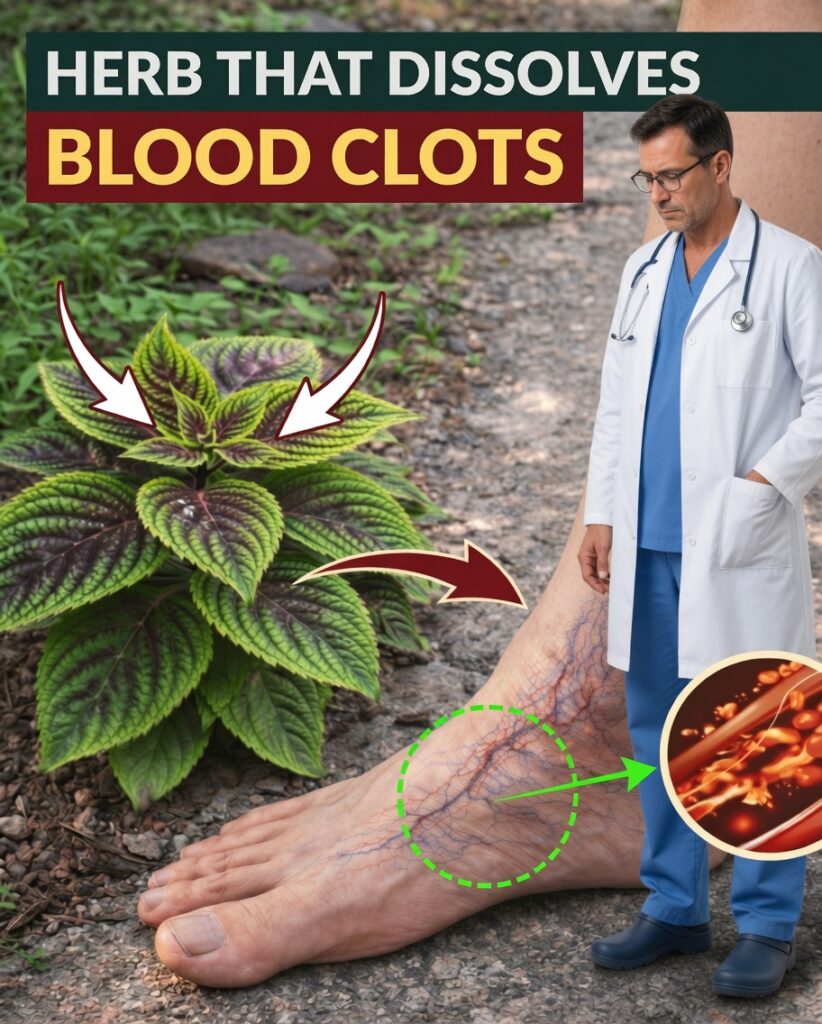
Heavy, Swollen Legs? These Natural Herbs May Help Ease Discomfort and Support Circulation
Many people notice that by the end of the day their legs feel heavy, puffy, or achy—especially after long hours sitting or standing. These symptoms are often linked to poor circulation, making everyday activities less comfortable. Common signs include visible veins, leg fatigue, and mild swelling, which are frequently overlooked until they become more intense.
The good news: several herbs—used for centuries in traditional wellness practices and increasingly explored by modern research—may help support healthy blood flow and improve vascular comfort. In this guide, you’ll learn which natural options may benefit leg circulation and how to use them safely in daily life.
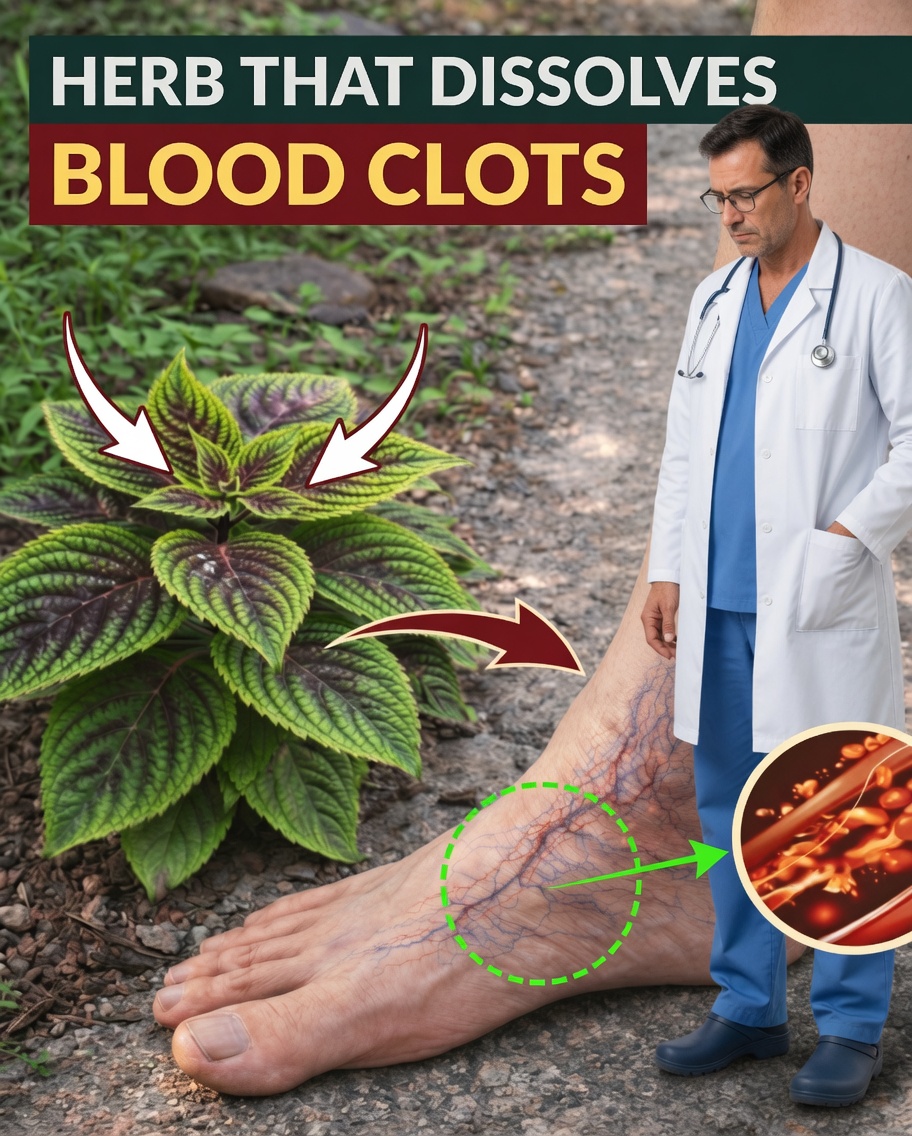
Why Leg Circulation Matters
Reduced circulation is not just an inconvenience. Over time, it can contribute to persistent heaviness, swelling, and noticeable changes in veins. Factors such as aging, a sedentary lifestyle, or spending too much time seated can make it harder for blood to travel back from the legs to the heart—leading to discomfort and tiredness.
Research suggests that vascular well-being can be influenced by nutrition and naturally occurring compounds. Interestingly, some everyday kitchen herbs and spices have shown potential to gently support circulation as part of a healthy routine.
Top Herbs That May Support Healthy Circulation
1. Turmeric (Curcuma longa)
Turmeric is rich in curcumin, widely known for its anti-inflammatory activity.
- May help ease the heavy-leg sensation associated with inflammation
- How to use: powder, fresh root, or supplements
2. Ginger (Zingiber officinale)
Ginger contains compounds that may encourage blood flow and help reduce inflammation.
- Often described as “warming,” which may help with leg fatigue
- How to use: tea, powdered ginger, or capsules
3. Garlic (Allium sativum)
Garlic is well-known for supporting cardiovascular health.
- May promote better circulation and reduce the feeling of leg heaviness
- How to use: raw (if tolerated), in cooking, or as extracts
4. Cayenne Pepper (Capsicum annuum)
Cayenne is a natural source of capsaicin, which can stimulate circulation.
- May help “activate” blood flow, especially in the extremities
- How to use: small amounts in food or properly diluted topical creams
5. Horse Chestnut (Aesculus hippocastanum)
One of the most researched herbal options for vein-related concerns.
- May help reduce swelling and support vein tone
- How to use: standardized extracts (follow professional guidance)
6. Butcher’s Broom (Ruscus aculeatus)
Traditionally used to support venous circulation.
- May support blood return from the legs and ease discomfort
- How to use: capsules or tea
Practical Ways to Use These Herbs Every Day
Herbal tea
- Simmer ginger with turmeric and a small pinch of cayenne
- Drink 1–2 cups daily
Add them to meals
- Use turmeric (ideally with black pepper), garlic, and cayenne in soups, vegetables, or proteins
Consider supplements (when appropriate)
- Use standardized horse chestnut or butcher’s broom extracts only with proper guidance
Supportive lifestyle habits
- Elevate your legs for 15 minutes daily
- Walk 20–30 minutes most days
- Stay well-hydrated
- Consider compression stockings if needed
What Does Science Say?
Studies suggest these herbs may work through antioxidant, anti-inflammatory, and blood-vessel-supporting effects. Horse chestnut, in particular, has shown promising results in research related to chronic venous insufficiency. Turmeric and ginger are also widely studied for their potential influence on circulation and inflammation.
That said, results vary by person, and more research is still needed. Think of these herbs as natural support tools—not replacements for medical care.
Frequently Asked Questions
Do these herbs replace medication?
No. They may complement healthy habits, but they do not replace medical treatment.
How long does it take to notice improvement?
Often 4 to 8 weeks, depending on your body, consistency, and lifestyle factors.
Are there contraindications?
Yes. For example, garlic and turmeric may interact with blood thinners. Always check with a healthcare professional before using herbs or supplements.
Important Notice
This article is for informational purposes only and does not substitute professional medical advice. Speak with a qualified healthcare provider before starting any supplement—especially if you are pregnant, breastfeeding, or taking medications. Individual results may vary.