Calf Pain When Walking? A Natural Approach to Ease Discomfort and Support Blood Flow
You may be noticing it more often: an annoying tingling in your feet, toes that stay cold even with socks on, and a mild ache in your calves that shows up after a short walk—or sometimes even when you’re resting. At first, these symptoms can feel harmless. Over time, though, they can disrupt your routine and raise an important question: is your circulation asking for attention?
The encouraging news is that many people can reduce these issues with simple, consistent daily habits. What’s often overlooked is that spotting these signs early can make a meaningful difference in protecting long-term health.
What Poor Circulation in the Legs and Feet Can Feel Like
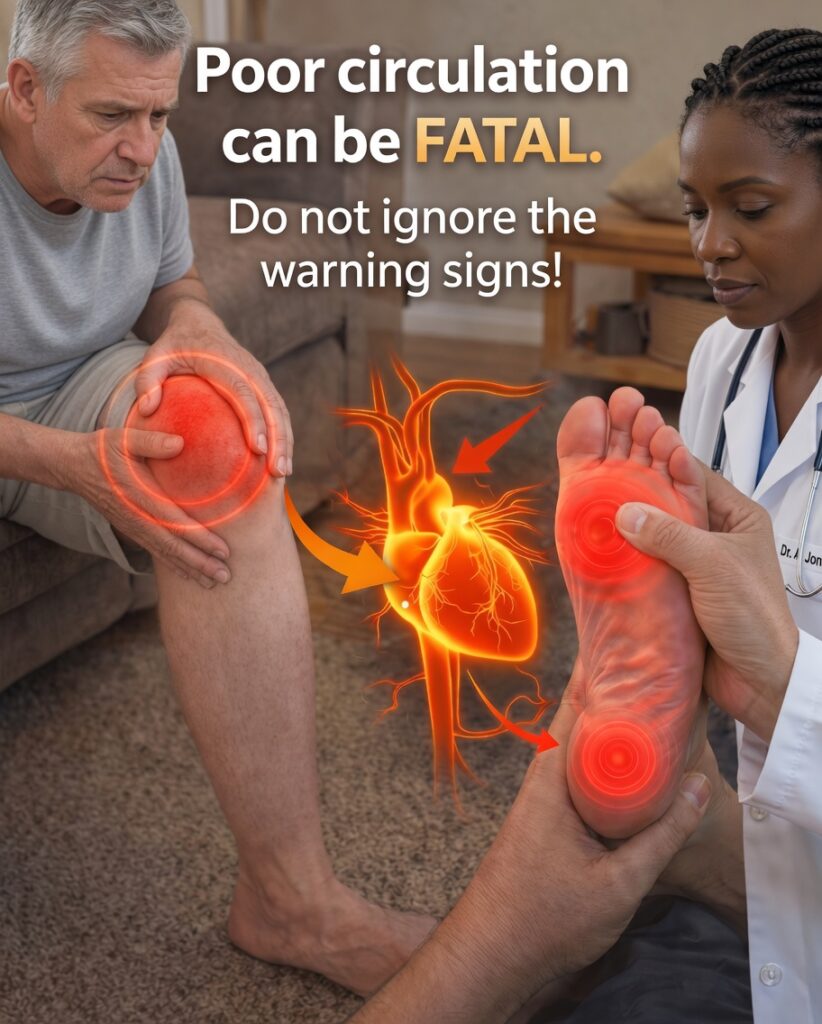
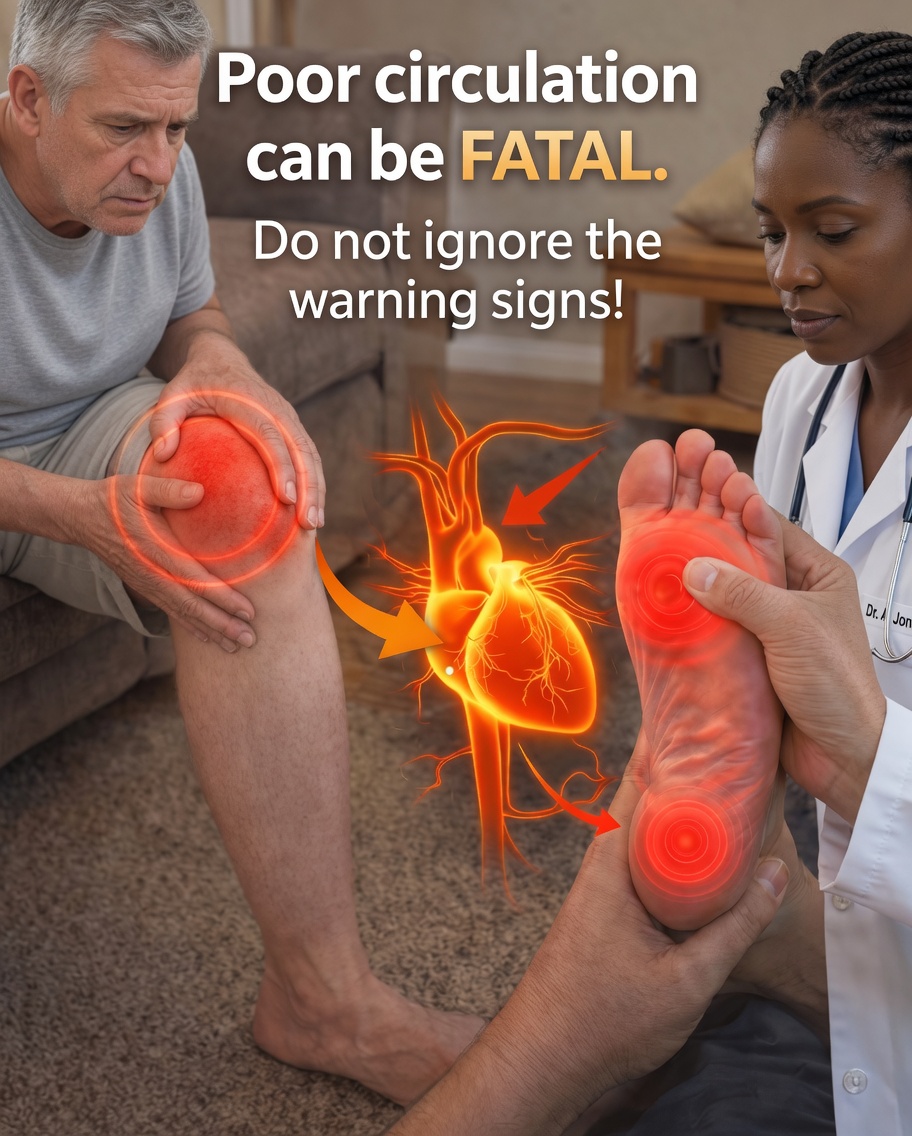
Persistent tingling, numbness, or a “cold” sensation in the feet can be a sign that blood flow isn’t reaching the body’s extremities efficiently. Calf pain or cramping—especially when walking or climbing stairs—often improves with rest.
Other common signs include:
- One foot colder than the other
- Pale skin or skin that looks unusually shiny
- Slower nail growth
- A sense of heaviness or tiredness in the legs
These symptoms may start mild, but they often become more noticeable over time.
Why Does It Happen?
Several factors can contribute to reduced circulation as the years go by, including:
- Smoking, which can damage blood vessels
- High blood pressure, high cholesterol, or diabetes
- Sedentary lifestyle and long periods of sitting
- Natural aging
Interestingly, not everyone experiences intense pain—so paying attention to subtle warning signs is especially important.
Why Improving Blood Flow Matters
When circulation is not optimal, even basic daily tasks can feel exhausting. This may lower your energy, limit mobility, and negatively affect overall well-being.
The good part: small, steady changes can lead to real improvements in comfort in your legs and feet.
Simple Habits That Support Circulation
You don’t need extreme measures. Start with practical steps you can maintain.
Daily movement
- Walk for 10–15 minutes after meals
- Do ankle circles and gentle foot mobility exercises
- Try light activities such as yoga or cycling
Lifestyle adjustments
- Sip water throughout the day
- Avoid crossing your legs for long periods
- Elevate your feet when resting
- If you smoke, seeking support to quit is one of the most impactful steps you can take
Compression socks may also help for some people, but they should be used with appropriate guidance.
Foods That May Help Promote Healthy Circulation
Nutrition plays a major role in vascular health. Consider adding more:
- Leafy greens and red/purple fruits (like berries)
- Omega-3-rich fish (such as salmon)
- Beets
- Nuts, seeds, garlic
- Ginger or cayenne pepper (in moderation)
Try to limit excess processed foods, salt, and unhealthy fats.
A Simple 7-Day Starter Routine
Use this as a realistic way to build momentum:
- Morning: 5 minutes of foot exercises
- During the day: light walking or frequent movement breaks
- Evening: elevate your legs for 10–15 minutes
- All day: stay consistently hydrated
- Before bed: gently massage your feet and calves
After one week, many people notice improvements in the feeling of heaviness and coldness.
When to See a Doctor
Seek medical guidance if you experience:
- Pain that continues even at rest
- Sores or wounds that don’t heal properly
- Noticeable skin color changes
- Symptoms that interfere with daily life
A healthcare professional can assess the cause and recommend the safest, most effective plan.
Conclusion
Ongoing tingling, cold feet, and calf pain should not be brushed off. Learning to recognize what your body is signaling—and adopting a few straightforward habits—can significantly improve comfort and quality of life.
You’ve already taken the first step by getting informed. Now choose one or two changes and start today—your body will benefit from it.