Tonsil Stones Could Be Ruining Your Breath — Here’s How to Remove and Prevent Them
You brush twice a day, floss properly, use mouthwash… yet an unpleasant odor still lingers. Maybe people keep a little distance during conversations, or you feel self-conscious when speaking. This situation is far more common than it seems—and often the source isn’t your teeth at all.
In many cases, the culprit is hiding in your throat: tonsil stones (also called tonsilloliths). These tiny, foul-smelling deposits can quietly trigger persistent bad breath even when your oral hygiene is excellent. Understanding what they are is often the first step toward finally solving the problem.
What Are Tonsil Stones?
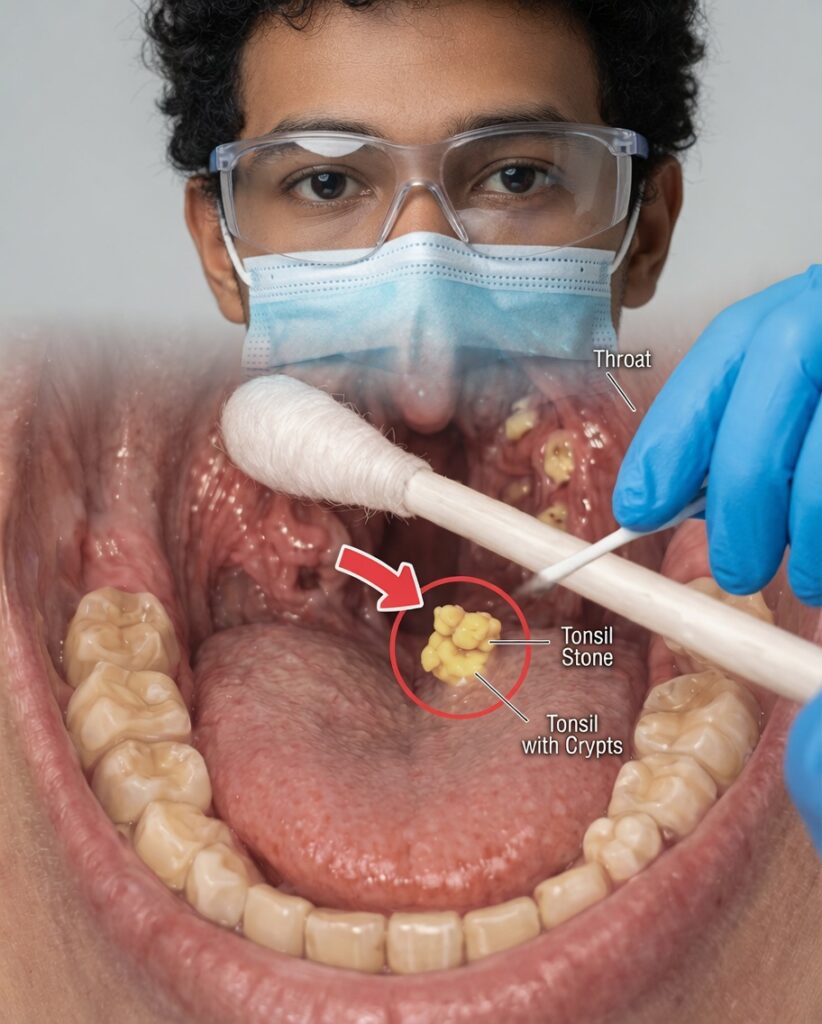
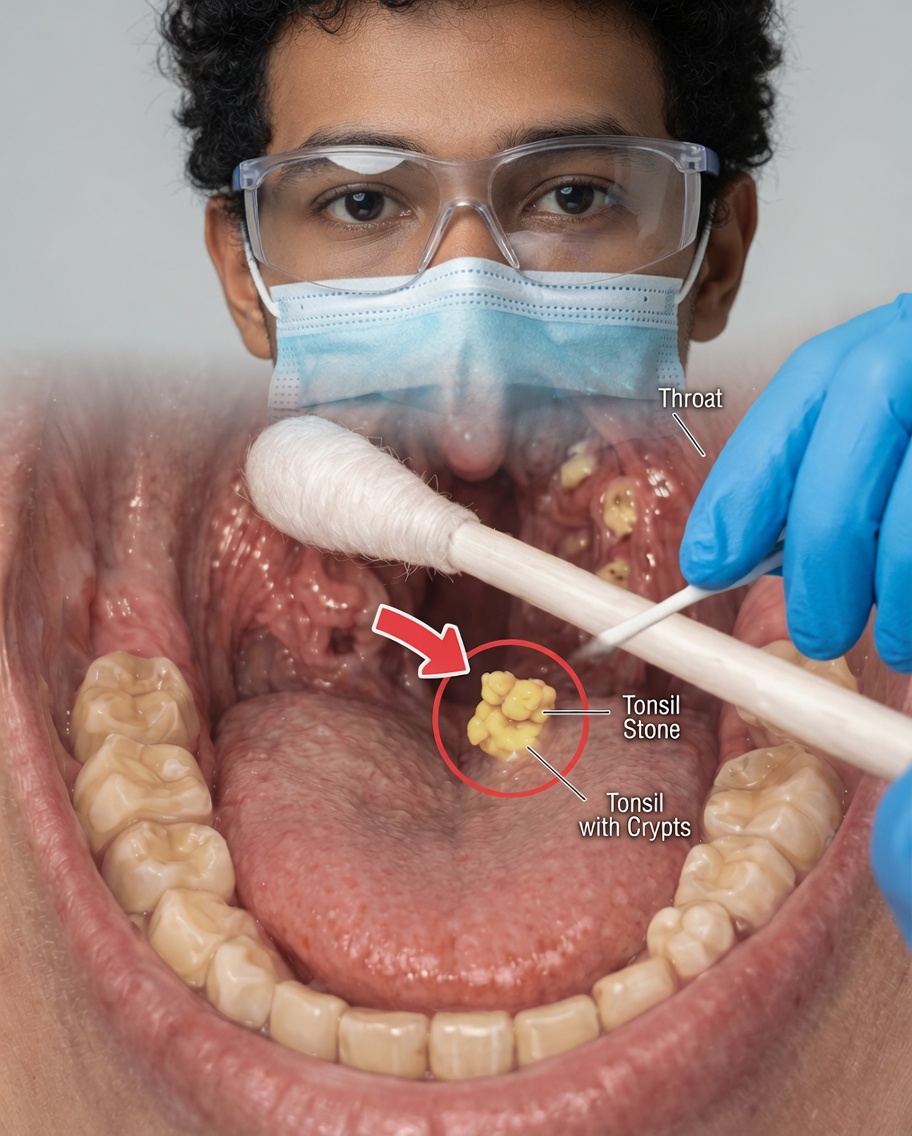
Tonsil stones are small, hardened clusters that develop inside the natural pockets (crypts) of the tonsils. They often look like white or yellow specks, and their size can range from tiny grains to larger, pea-like lumps.
Unlike ordinary dental plaque, tonsil stones form when food particles, dead cells, mucus, and bacteria get trapped in the tonsil crypts. Over time, this material can harden and calcify, creating the stones.
Why Do Tonsil Stones Cause Bad Breath?
The reason isn’t pleasant: bacteria inside these deposits produce volatile sulfur compounds (VSCs)—the same chemicals responsible for the smell of rotten eggs. So even with perfect brushing and flossing, the stones may keep releasing odor when you talk, breathe, or swallow.
Many people don’t realize they have tonsil stones until they cough one up or spot them in the mirror. That stubborn bad breath that never improves? In a lot of cases, it’s coming from the tonsils, not the teeth.
Common Signs of Tonsil Stones
Watch for these frequent symptoms:
- Persistent bad breath that doesn’t improve with oral care
- A feeling that something is stuck in your throat
- White or yellow spots on the tonsils
- Mild throat irritation or soreness without a clear infection
- Ear pain (due to shared nerve pathways)
- A bad or metallic taste in the mouth
If several of these sound familiar, tonsil stones may be the hidden cause.
What Causes Tonsil Stones to Form?
Some factors increase your risk:
- Enlarged or frequently inflamed tonsils
- Deep tonsil crypts
- Excess mucus (often from allergies or sinus problems)
- A diet high in dairy and sugar
- Dry mouth (low saliva flow)
- Incomplete oral hygiene
People with a history of recurrent tonsillitis tend to develop tonsil stones more often.
How to Check for Tonsil Stones at Home
Stand in front of a well-lit mirror, open your mouth, and say “ahh.” Use a clean spoon to gently press your tongue down and look toward the back of your throat. The tonsils sit on both sides. Small pale spots can indicate stones.
Keep in mind: not all tonsil stones are visible—some remain hidden until they loosen on their own.
Safe Ways to Manage Tonsil Stones at Home
Avoid digging or forcefully scraping the tonsils, which can cause injury. Instead, use gentler methods:
- Gargle with warm salt water (2–3 times daily)
- Use a low-pressure oral irrigator
- Gently brush the area only if the stone is clearly visible and easy to reach
- Drink plenty of water to reduce dry mouth
- Clean your tongue daily
- Maintain strong overall oral hygiene
These habits support your body’s natural ability to dislodge trapped debris.
When to See a Specialist
If tonsil stones keep returning, cause pain, or come with repeated infections, consult an ENT specialist (otolaryngologist). They can examine your tonsil structure and recommend the most appropriate treatment.
Daily Habits That Help Prevent Tonsil Stones
Small changes can make a noticeable difference:
- Stay well-hydrated throughout the day
- Reduce dairy if you notice it increases mucus
- Prioritize tongue hygiene
- Manage allergies and sinus issues
- Use a humidifier if you wake up with a dry mouth
Many people report significant improvement once these habits become routine.
Frequently Asked Questions
-
Do tonsil stones go away on their own?
Yes. Smaller stones may naturally come loose when swallowing, coughing, or gargling. -
Are tonsil stones dangerous?
Usually not. They’re often more annoying than harmful and rarely lead to serious complications. -
Do I need surgery?
Most people don’t. Tonsil removal is generally considered only in severe or persistent cases.
Conclusion
If you struggle with persistent bad breath that doesn’t improve no matter how well you brush, the issue may go beyond your teeth. Tonsil stones are a common—and often overlooked—cause. By learning how they form and how to manage them safely, you can regain confidence and feel more comfortable day to day.
Knowledge is the first step toward fixing the problem.