Why Bed Bugs, Cockroaches, and Fruit Flies Are More Than Just a Nuisance
Bed bugs, cockroaches, and flies can carry harmful bacteria and trigger allergies—so an insect problem at home is not only unpleasant, it can also affect your health. If you’ve ever discovered bed bugs hiding in a mattress, seen cockroaches in the kitchen at night, or dealt with fruit flies hovering around food, you know how quickly stress and discomfort follow.
Many households turn to chemical pesticides right away. However, these products often contain toxic ingredients that may pose risks to children, pets, and the environment. The good news: several natural pest control methods can be highly effective when used consistently and correctly.
In this guide, you’ll learn proven natural remedies for bed bugs, cockroaches, fruit flies, ants, mosquitoes, and other common household pests—plus simple prevention habits to keep your home cleaner, safer, and pest-free for longer.
Bed Bugs: How to Get Rid of Them Fast (Naturally)
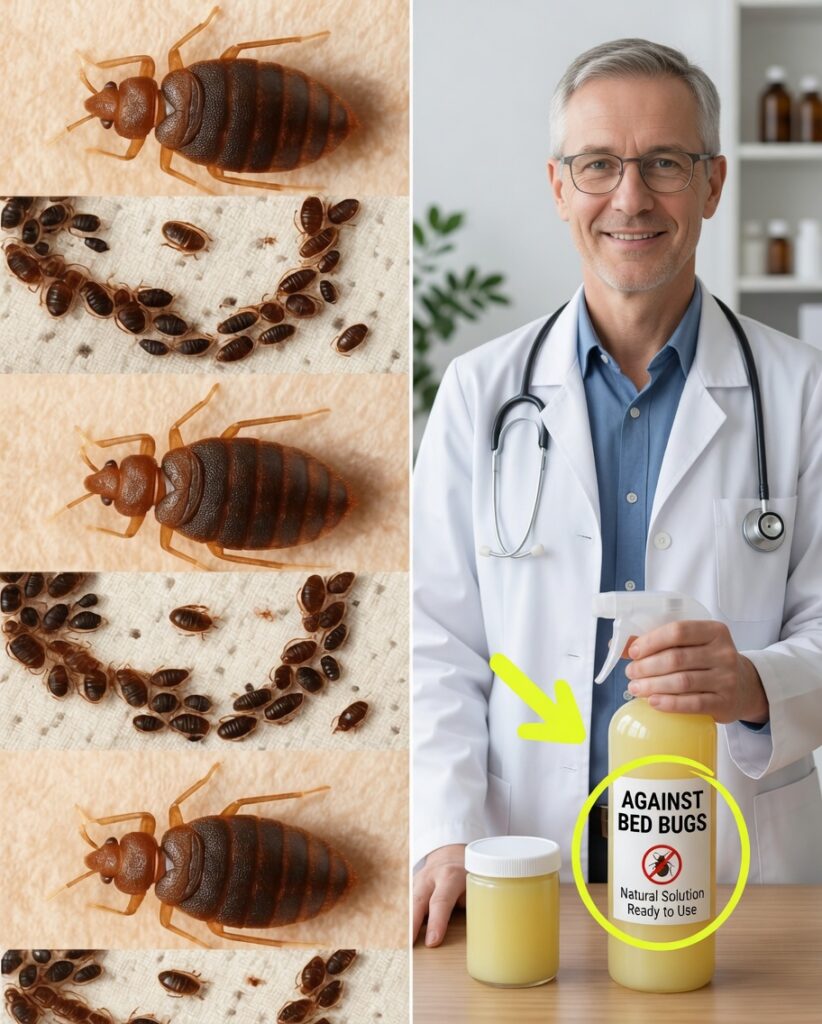
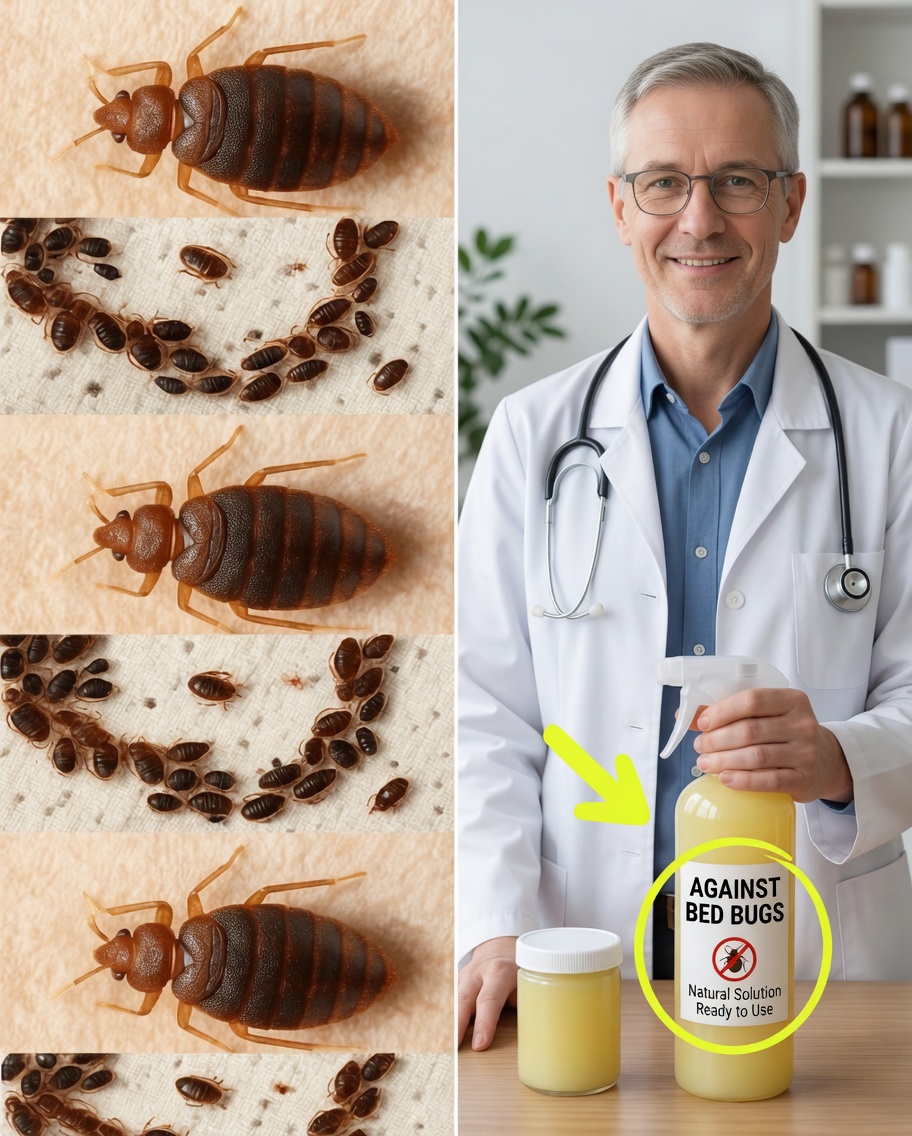
Bed bugs are small, reddish-brown insects that feed on human blood, usually at night. Because they hide in seams, cracks, mattresses, and furniture, they can be difficult to spot until the problem grows.
1. Heat treatment (high temperature is key)
Bed bugs are extremely vulnerable to heat. Wash bedding and clothing in hot water, then dry on high heat for at least 30 minutes to kill eggs, nymphs, and adults.
2. Diatomaceous earth
Diatomaceous earth is a natural powder made from microscopic fossilized organisms. It works by damaging an insect’s outer layer, leading to dehydration.
- Lightly dust infested areas (bed frames, baseboards, cracks).
- Vacuum after several hours—or leave it longer for ongoing effect—then remove thoroughly.
3. Essential oils with repellent properties
Certain essential oils may help repel bed bugs, such as:
- Tea tree
- Lavender
- Eucalyptus
Mix a few drops with water in a spray bottle and apply lightly to mattress edges, bed corners, and furniture seams (test fabrics first).
4. Vacuuming (done the right way)
Frequent vacuuming helps remove live bugs and eggs from mattresses, crevices, and furniture. After vacuuming:
- Seal the vacuum bag (or debris) inside a tight plastic bag
- Dispose of it outside immediately
5. Mattress encasements
A zippered bed-bug-proof mattress cover prevents bugs from hiding inside the mattress and is one of the most effective preventive tools after treatment.
Cockroaches: Natural Ways to Keep Them Out of Your Home
Cockroaches are not only unpleasant—they can spread bacteria and worsen allergies or asthma. They thrive in dark, damp areas, especially kitchens, bathrooms, and under sinks.
1. Prioritize cleanliness (remove food sources)
Roaches are attracted to crumbs, grease, and open trash. Improve your routine by:
- Wiping counters and stovetops daily
- Not leaving dirty dishes overnight
- Keeping trash sealed and taken out regularly
2. Use natural roach repellents
Some natural scents can discourage roaches, including:
- Bay leaves (place in cupboards and pantry corners)
- Garlic
- Citrus aromas
- Peppermint or eucalyptus essential oil sprays
3. Boric acid (use with caution)
Boric acid is a mineral-based option often used against roaches. Apply small amounts in roach pathways, such as behind appliances or under the sink.
- Keep it away from children and pets
- Avoid using it on exposed surfaces
4. Traps and bait stations
Quality traps and baits can reduce a cockroach population quickly, especially when combined with sanitation and sealing entry points.
5. Seal cracks and access points
Roaches enter through tiny gaps. Use caulk and door/window seals to close:
- Wall cracks
- Pipe openings
- Loose baseboards
- Gaps around doors and windows
Fruit Flies: How to Eliminate Them Quickly
Fruit flies commonly appear in kitchens, drawn to ripe fruit, sugary residues, and food scraps. The fastest solution is a mix of trapping and hygiene.
1. Apple cider vinegar trap
This is one of the most reliable fruit fly traps:
- Pour apple cider vinegar into a small container
- Add one drop of dish soap
- Cover with plastic wrap and poke small holes
Flies enter, but can’t escape.
2. Red wine trap
A small bowl with a bit of red wine can also attract fruit flies, which then get trapped in the liquid.
3. Prevention through kitchen hygiene
To stop repeat infestations:
- Store fruit properly (refrigerate ripe produce when possible)
- Remove food waste quickly
- Clean recycling bins and sticky spills
- Scrub and flush drains regularly
4. Repellent essential oils
Lightly spraying eucalyptus, peppermint, or lemongrass (diluted) around problem areas may help discourage fruit flies.
Other Common Household Pests (and Natural Solutions)
- Ants: Sprinkle cinnamon powder near entry points; chalk lines may also work as a barrier.
- Mosquitoes: Lavender and citronella are classic natural repellents; candles or diffusers can help in living areas.
- Spiders: Spray corners and baseboards with diluted eucalyptus or tea tree essential oil.
- Fleas: Apply diatomaceous earth to carpets and pet bedding, then vacuum thoroughly after treatment.
- Moths: Bay leaves and cedar wood in closets can help protect clothing and fabrics.
Prevention: The Real Secret to a Pest-Free Home
Once pests are removed, prevention is what keeps them from coming back. Focus on these essentials:
- Seal cracks and small openings around walls, windows, and doors
- Keep the home clean and clutter-free
- Store food in tightly sealed containers
- Install screens on windows and doors to block insects from entering
Conclusion
Insects are part of the natural environment—but they don’t need to share your indoor space. With natural pest control, consistent cleaning habits, and a few smart preventive steps, you can protect your home without relying on harsh chemicals.
These solutions are affordable, safer for most households, and effective when applied correctly. If an infestation is severe or keeps returning, professional pest control may be necessary to address the root cause.
A clean, well-sealed home combined with natural repellents can make a major difference in creating a healthier, more comfortable, pest-free living space.