Corn Silk: The Part Most People Throw Away That May Support Kidney and Urinary Health
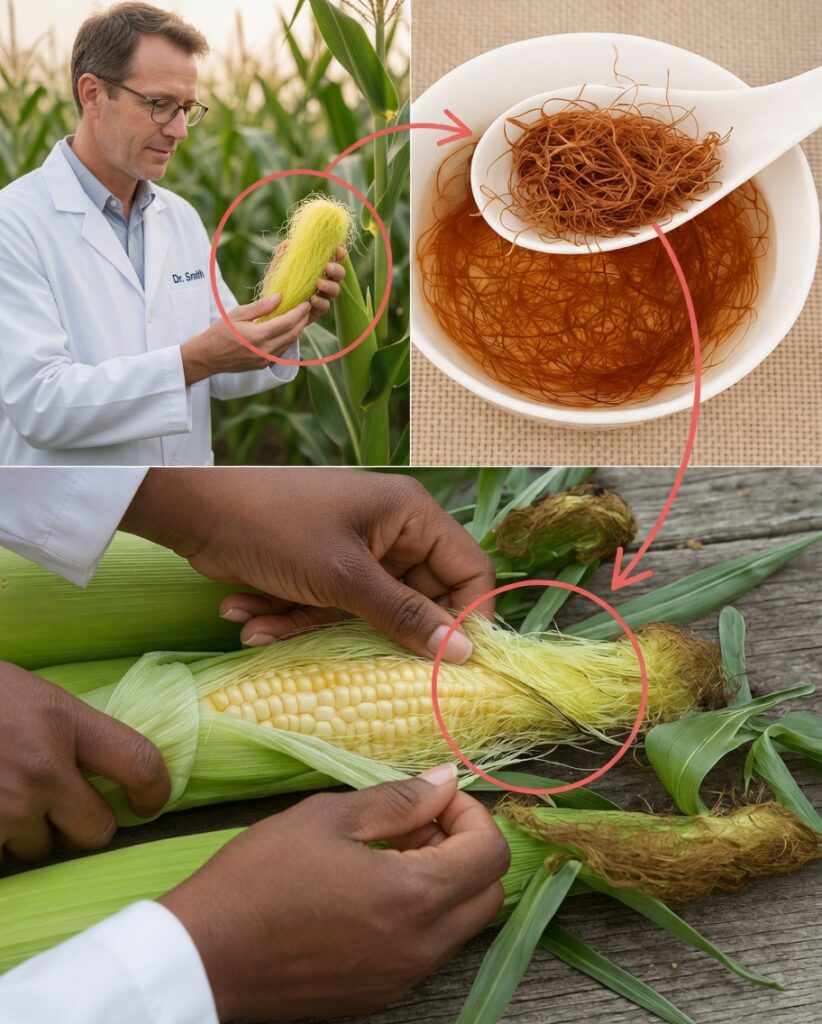
Most people peel an ear of corn, keep the kernels, and toss the silky golden threads inside without a second thought. That “waste” is corn silk—and it has a long history in traditional wellness practices.
For centuries, corn silk has been used in different cultures as a natural herbal remedy. It contains plant compounds that may support kidney function, help maintain a healthy urinary tract, assist with fluid balance, and contribute to overall wellbeing. Yet many people still don’t realize how useful this simple part of the plant can be.
In this guide, you’ll learn what corn silk is, what nutrients it contains, the most talked-about corn silk benefits, and easy ways to use it safely in everyday life.
What Is Corn Silk?
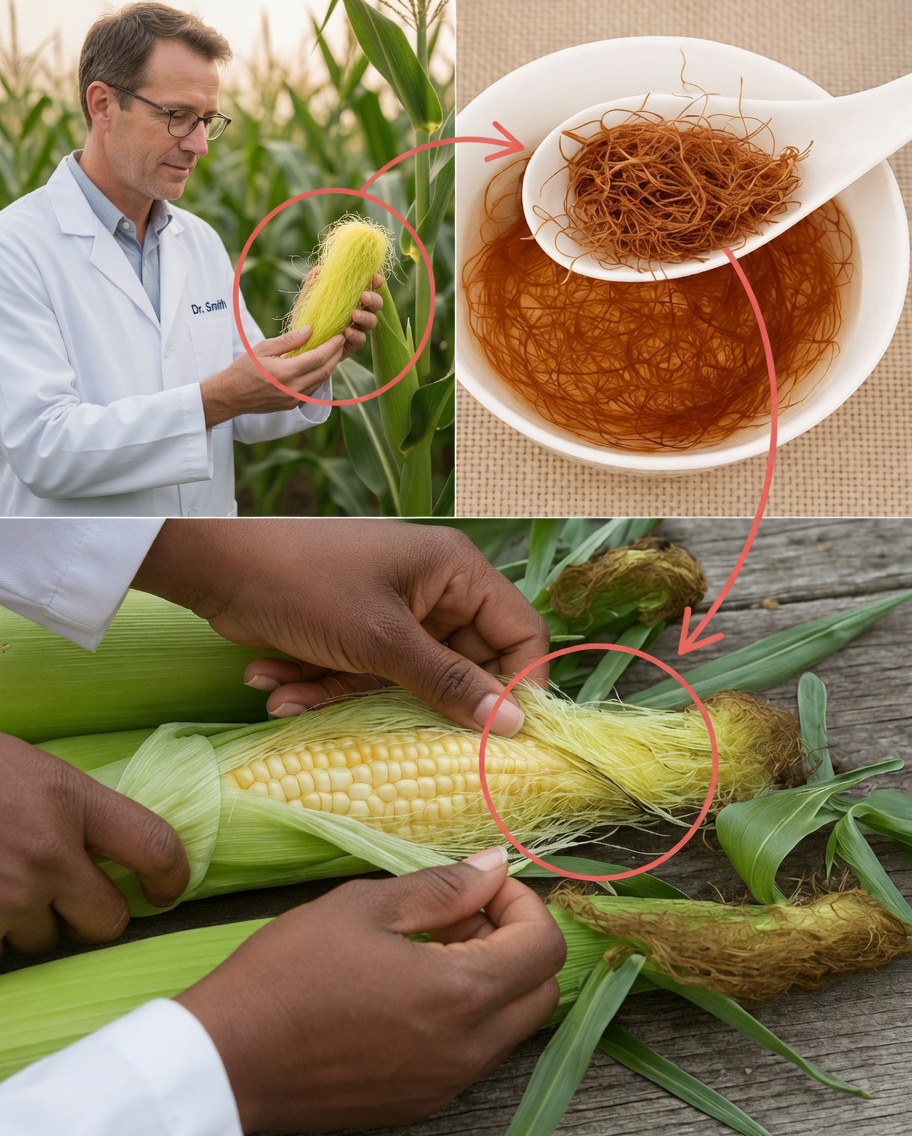
Corn silk refers to the long, thin, thread-like strands found underneath the husk of the corn cob. These fibers play an important role in the plant’s reproduction (pollination), but they also contain naturally occurring compounds valued in herbal traditions.
Although often discarded, corn silk includes nutrients and antioxidants that may help support several body systems—especially the kidneys and urinary tract.
Corn Silk Nutritional Profile (What It Contains)
Corn silk is known to contain a mix of beneficial components, including:
- Vitamins: vitamin C, vitamin K, and B vitamins such as B6 and folate
- Minerals: potassium, calcium, magnesium, and iron
- Antioxidants: flavonoids and polyphenols that help combat oxidative stress
- Plant compounds: natural substances traditionally associated with urinary tract and kidney support
Even though it’s a small part of the corn plant, corn silk can be surprisingly rich in wellness-supporting compounds.
Key Benefits of Corn Silk
1. May Support Kidney Health
One of the best-known traditional uses of corn silk is for kidney and urinary system support.
Corn silk is often described as a mild natural diuretic, meaning it may encourage the body to release excess water through urine. This can help with fluid retention and may support normal kidney function.
It also contains plant compounds traditionally linked to soothing inflammation, which may help calm irritation in the urinary tract.
2. May Help Maintain Healthy Blood Sugar Levels
Some research and traditional use suggest corn silk may play a role in supporting balanced blood glucose.
Its natural compounds may help improve insulin sensitivity and reduce sharp blood sugar spikes after meals. The antioxidants in corn silk may also help protect cells from oxidative stress associated with elevated glucose levels.
Because of this, corn silk has been used as a gentle, natural complement for people aiming to maintain healthy blood sugar—alongside medical guidance and a balanced diet.
3. May Promote Healthy Blood Pressure
Corn silk’s combination of mild diuretic action and potassium content may support cardiovascular wellness.
Potassium helps the body manage sodium levels and supports healthy blood vessel function, which can contribute to more stable blood pressure and better circulation. In many folk traditions, corn silk tea is consumed regularly for heart and blood pressure support.
4. May Help Protect the Urinary Tract
Corn silk is widely associated with urinary tract care.
It is traditionally used to help:
- Soothe mild discomfort in the bladder and urethra
- Support urinary flow (which may help “flush” the system)
- Reduce irritation linked to inflammation
Corn silk also has mild antimicrobial properties in traditional use, which may help support urinary tract balance.
5. May Support Digestion and Reduce Bloating
Corn silk is sometimes used to promote digestive comfort.
Its soothing nature may help ease minor digestive irritation, while its role in fluid balance may help reduce the feeling of abdominal bloating. Many people prefer drinking corn silk tea after meals for a lighter, more comfortable feeling.
6. May Benefit Skin Health
Thanks to its antioxidant content, corn silk may help the body fight free radicals—one factor linked to visible skin aging.
Antioxidants can support:
- A healthier-looking complexion
- Better protection against environmental stressors
- A calmer skin barrier
Its traditional anti-inflammatory use may also be helpful for minor redness or irritation when used appropriately.
7. May Help Reduce Inflammation and Fluid Retention
Corn silk contains natural compounds often associated with anti-inflammatory effects.
This may be useful for people who experience:
- Mild, everyday inflammation-related discomfort
- Water retention and puffiness
- Occasional minor joint discomfort
How to Use Corn Silk
Corn Silk Tea (Simple Traditional Method)
One of the easiest ways to use corn silk is as a corn silk tea.
Ingredients
- 1–2 tablespoons dried corn silk
- 1 cup boiling water
Directions
- Place the dried corn silk in a mug.
- Pour boiling water over it.
- Let it steep for about 10 minutes.
- Strain and drink.
Many people drink 1–2 cups per day, often after meals.
Topical Use (External Application)
Corn silk can also be simmered in water, cooled, and then applied externally to the skin to help calm minor irritation. Always patch-test first, and avoid using on broken skin unless advised by a professional.
Safety, Precautions, and Who Should Avoid It
Corn silk is generally considered safe for many people when used in moderate amounts, but a few precautions matter:
- Pregnancy: avoid excessive use due to its diuretic nature unless a healthcare professional approves.
- Kidney conditions: speak with a clinician before using corn silk, especially if you have diagnosed kidney disease.
- Blood pressure or diuretic medications: corn silk may amplify fluid-loss effects or interact with medications—medical guidance is recommended.
If you have a chronic health condition or take prescription drugs, treat corn silk as you would any herbal product: use cautiously and consult a professional.
Conclusion
What many people treat as corn waste may actually be a valuable natural ingredient. Corn silk offers antioxidants, vitamins, minerals, and plant compounds traditionally used to support kidney health, urinary tract function, blood sugar balance, and overall wellness.
Next time you husk fresh corn, consider saving those golden strands instead of throwing them away. They might be one of nature’s simplest, most overlooked ways to support your health—gently and naturally.