A Green Tea Compound May Help the Body Fight Abnormal Cells—Here’s What to Know
Living with a chronic blood condition can be emotionally exhausting. The uncertainty, repeated lab tests, and constant lifestyle decisions can feel heavy. It’s natural to wonder whether a simple daily habit could offer a bit of extra support alongside proper medical care.
Green tea, for example, is often seen as just another warm drink—but it also contains bioactive compounds that scientists continue to study. One of them has sparked particular interest: EGCG.
Understanding Chronic Lymphocytic Leukemia (CLL)
Chronic Lymphocytic Leukemia (CLL) is a type of blood cancer that affects lymphocytes, key immune cells. It typically progresses slowly and is frequently discovered incidentally during routine blood work.
Common findings and symptoms may include:
- Elevated lymphocyte counts
- Mild anemia
- Low platelet levels in some cases
- Enlargement of the spleen (sometimes)
- Over time: fatigue, fever, night sweats, and autoimmune-related changes
Because CLL can remain stable for long periods, many patients are managed with “watch and wait” (active monitoring without immediate treatment). This approach highlights how differently the condition can develop from person to person.
A Real-World Case That Drew Attention
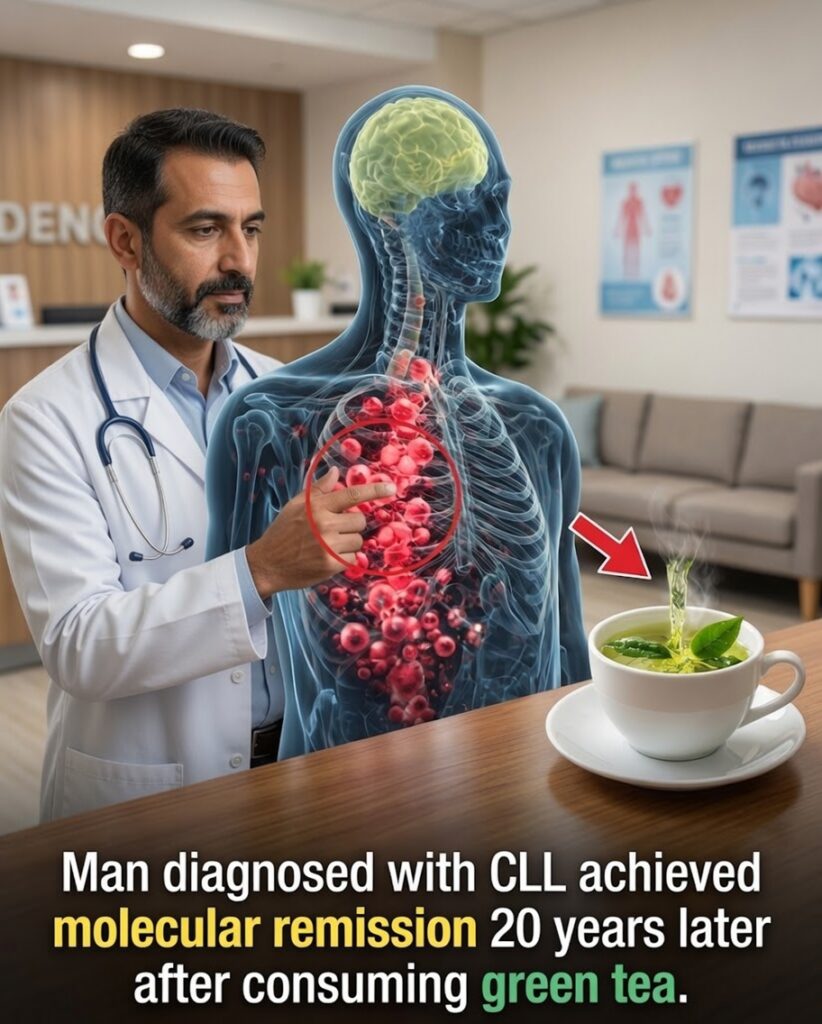
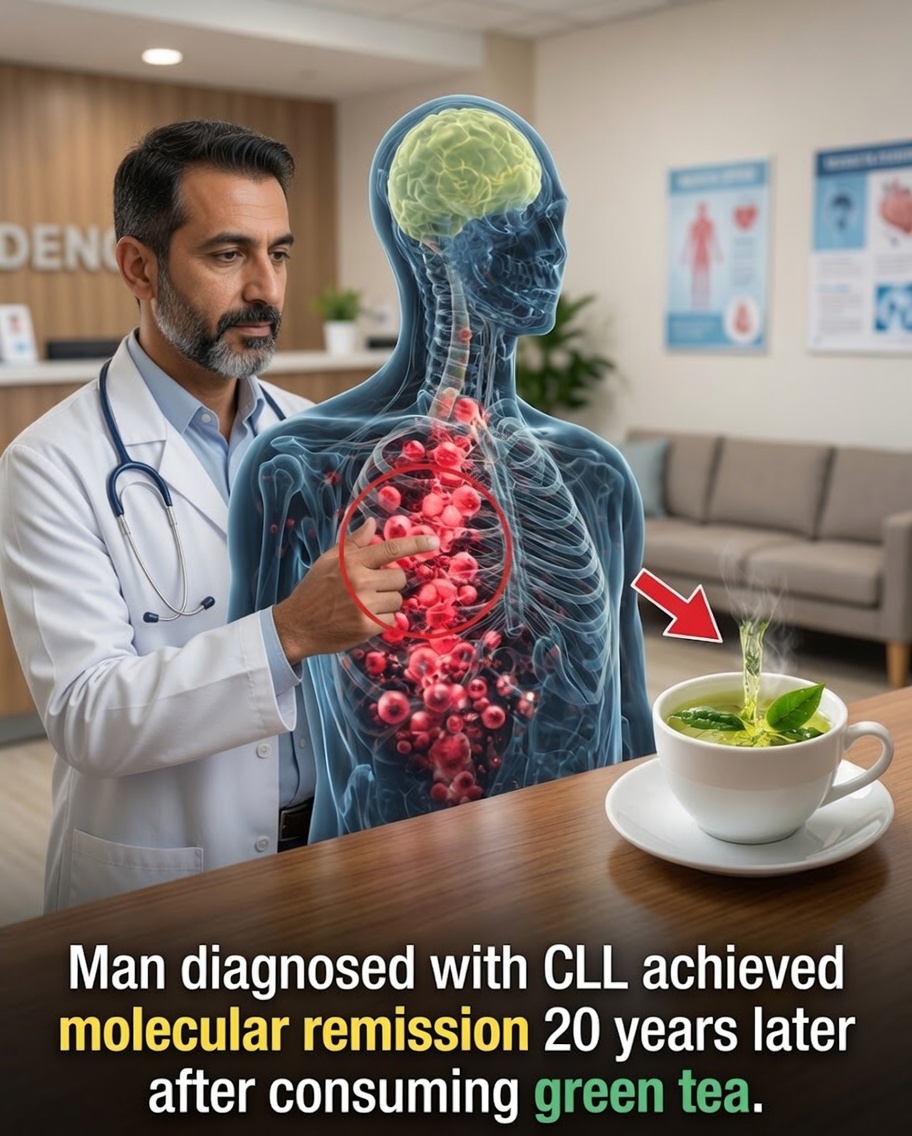
A published report in 2015 described a man who was diagnosed with CLL at age 28. Over the years, he experienced various symptoms yet chose not to pursue conventional therapies.
Roughly 20 years after diagnosis, his white blood cell levels were significantly elevated. At that point, he began taking about 4 grams per day of EGCG, a naturally occurring compound found in green tea.
Over time, the report noted:
- Lymphocyte levels returning to a normal range
- No detectable leukemic cells
- Follow-up evaluations showing no signs of disease
This is striking—but it is also critical to keep perspective: a single case report cannot prove that green tea or EGCG cures CLL. Still, it raises meaningful scientific questions worth exploring.
What Is EGCG?
EGCG (epigallocatechin gallate) is a prominent antioxidant in green tea and one of its most researched polyphenols. Early research suggests EGCG may:
- Help reduce oxidative stress
- Influence pathways related to cell growth and regulation
- Support processes linked to the death of abnormal cells (apoptosis)
While these mechanisms are promising, large-scale, definitive clinical evidence is still limited.
Potential Benefits—and Important Safety Notes
Green tea is generally considered safe when enjoyed in moderation and can be a soothing way to add antioxidants to your routine.
However, high-dose concentrated green tea extracts (including EGCG supplements) may cause side effects, such as:
- Digestive discomfort
- Possible liver stress in susceptible individuals, especially at high doses
Key takeaway: Always speak with a qualified healthcare professional before using concentrated EGCG supplements—particularly if you have a medical condition or take medications.
How to Add Green Tea to Your Routine (Safely)
If you want a practical, lower-risk way to include green tea in daily life, consider these habits:
- Drink 2–3 cups per day
- Steep with water around 70–80°C (158–176°F) to help preserve beneficial compounds
- Choose higher-quality options such as loose-leaf green tea or matcha
- Avoid drinking it right with meals if you’re concerned about iron absorption
- Pay attention to your body’s response (sleep, digestion, sensitivity to caffeine)
What Does the Science Actually Say?
Researchers continue to examine EGCG and green tea for their potential roles in supporting health, including how they may interact with abnormal cells. Some findings are encouraging, but the overall evidence is not yet conclusive, especially regarding treatment outcomes.
In other words: green tea may be a supportive habit, but it is not a substitute for medical monitoring or professional care.
Final Reflection
Stories like this underline how much we still have to learn about the human body—and about the natural compounds found in everyday foods and drinks.
Maybe the better question isn’t, “Does it cure?” but rather:
“How can I strengthen my health through simple, consistent, informed habits?”
Small changes can matter more than we expect—especially when they’re done thoughtfully and safely.