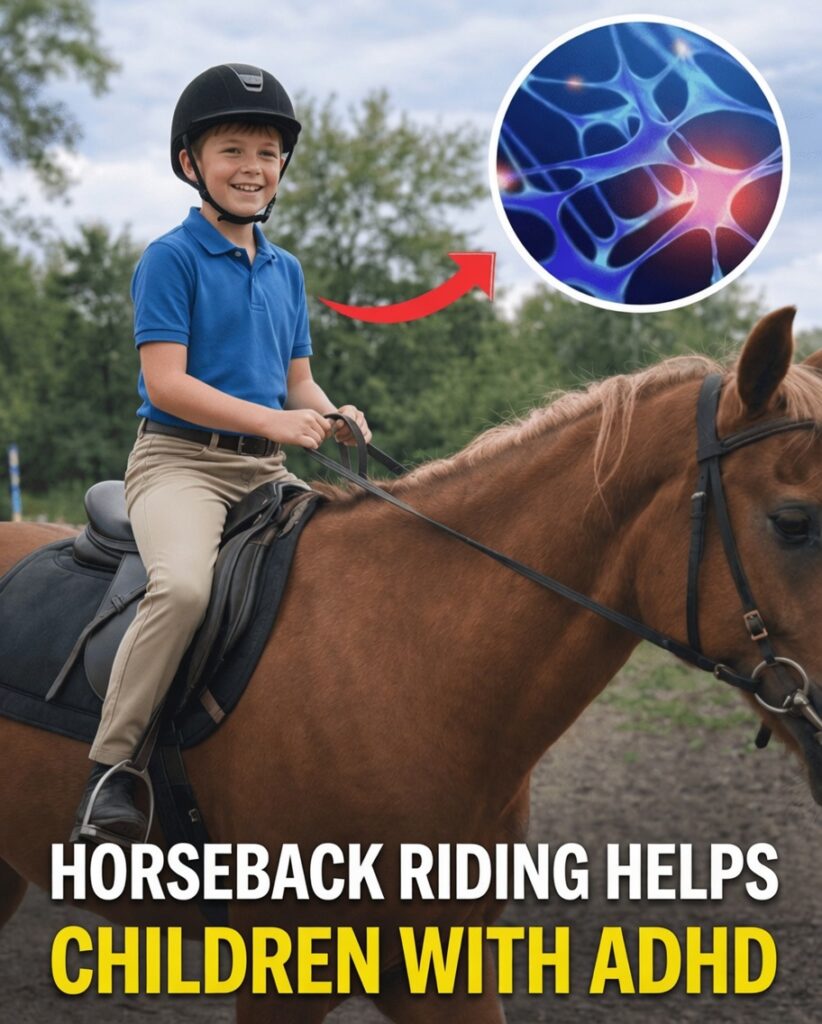
Can Just 30 Minutes with Horses a Week Boost Your Child’s Communication? Discover This Surprising Natural Therapy
Many parents see it firsthand: a child who struggles to communicate, stay focused, or absorb new information. Over time, these challenges can become exhausting—for the child and the whole family. That’s why many families look for gentler, more engaging options to support traditional treatments.
What if something as simple—and enjoyable—as spending time with horses could help?
A 2019 study offered an intriguing perspective. While more research is still needed, the early findings were promising enough to deserve attention, especially for families exploring supportive, child-friendly approaches.
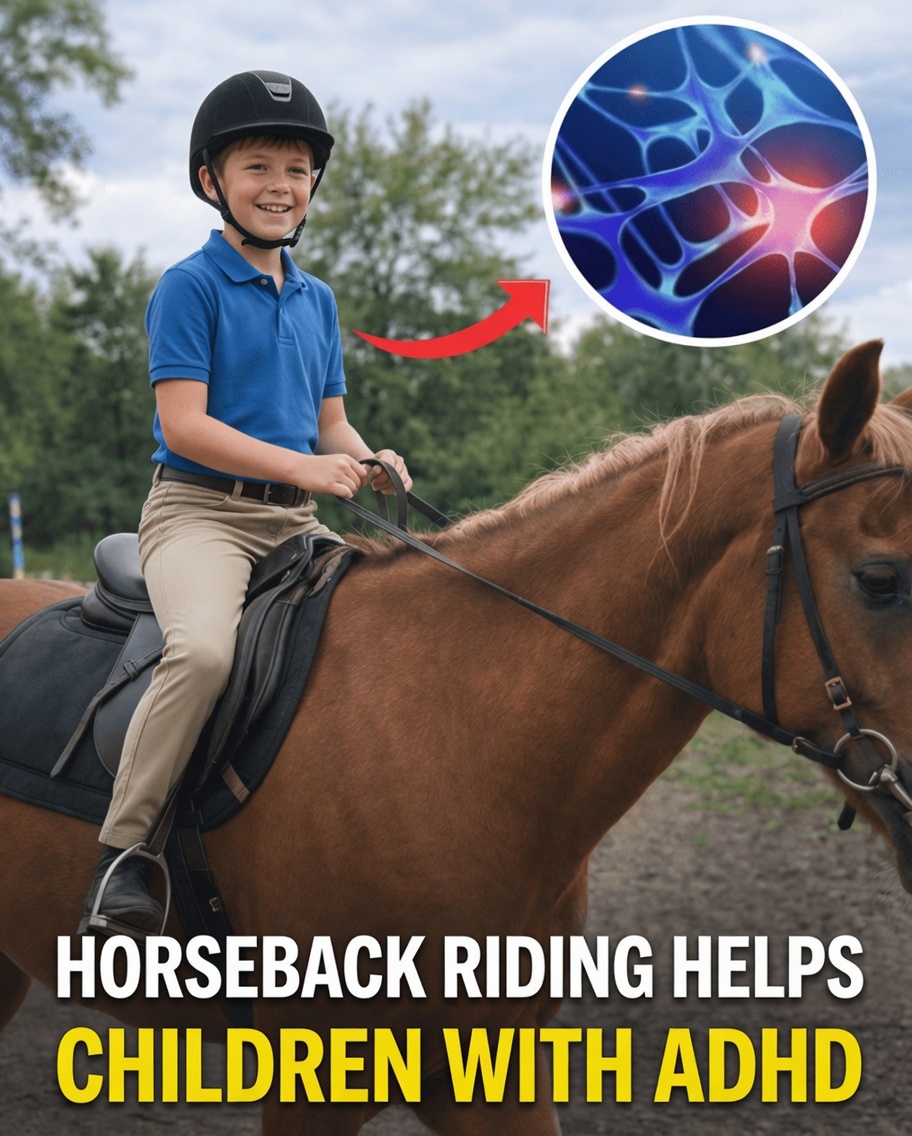
What Is Therapeutic Horseback Riding?
Therapeutic horseback riding (also called equine-assisted therapy in some contexts) involves guided sessions where a child interacts with a horse in a safe, structured setting. Qualified instructors and trained therapists lead activities that can target posture, balance, coordination, and connection with the animal.
Unlike recreational riding, therapeutic riding is designed to complement conventional therapies, not replace them. Sessions often last around 30 minutes and make use of the horse’s movement as a powerful sensory input—something many children find both calming and motivating.
And the potential benefits aren’t only physical. The horse’s rhythmic motion and the relationship that can form during sessions may create unique opportunities for developmental progress.
The 2019 Study: What Did Researchers Find?
Researchers examined whether adding therapeutic horseback riding to standard care could improve language and cognitive skills in children aged 6 to 13 with autism or intellectual disability.
Over 8 weeks, two groups were compared:
- One group received conventional therapy + one weekly therapeutic riding session
- The other group continued with conventional therapy only
Children who participated in therapeutic riding showed:
- A notable improvement in language comprehension
- Progress in verbal expression and vocabulary
- Gains in cognitive performance indicators
Both groups improved overall, but the riding group advanced in more areas, suggesting that the horse-based sessions may provide added value as a supportive intervention.
Why Might Riding a Horse Help?
A horse’s movement is three-dimensional, delivering sensory input that can influence balance, muscle tone, and emotional regulation. Interestingly, the motion closely resembles the pattern of human walking, which may help organize the nervous system and support body awareness.
The emotional component also matters. Horses respond to subtle cues, which can encourage children to build:
- Attention and focus
- Patience
- Nonverbal communication skills
- Self-regulation
Other commonly noted benefits include:
- Sensory integration (movement plus the horse’s warmth)
- Increased motivation through emotional bonding
- Natural social interaction without intense pressure
- Predictable structure and routine, which many children find reassuring
What Do Other Studies Suggest?
Studies involving children with ADHD have also reported improvements in:
- Attention
- Social behavior
- Emotional regulation
Results vary, but overall, the evidence continues to highlight equine-based activities as a potentially valuable complementary support—especially when delivered consistently and professionally.
How to Start Safely
If you’re considering therapeutic horseback riding, these steps can help you begin responsibly:
- Talk with your child’s doctor, psychologist, or therapist
- Choose a certified center with properly trained professionals
- Ask to observe a session before enrolling
- Prepare your child using simple, positive explanations
- Track progress with brief notes (mood, communication attempts, focus)
- Use it as a supplement, not a replacement, for existing therapies
Consistency matters more than intensity. Even weekly sessions have been associated with meaningful improvements in some children.
Benefits Parents Often Notice Over Time
Some families report changes such as:
- More initiative to communicate
- Better concentration
- Greater comfort in social situations
- Less frustration
- A stronger sense of achievement and self-esteem
Frequently Asked Questions
What is the best age to start?
Many programs accept children from around 4 or 5 years old, depending on physical readiness and individual needs.
Is it safe?
It can be safe when delivered in a specialized center with trained staff, proper equipment, and careful supervision.
What if my child is afraid of horses?
A gradual introduction is common. Good programs respect the child’s pace and focus on comfort before riding.
Conclusion
Therapeutic horseback riding stands out as a gentle, promising way to support language development and cognitive growth. It combines movement, emotional connection, and enjoyment—key ingredients that can make learning and communication feel more accessible.
Every child is different. The priority is choosing approaches that are safe, supportive, and aligned with your child’s needs. If this option sparked your curiosity, it may be worth exploring—small steps today can open surprising doors tomorrow.
Important Notice: This content is for informational purposes only and does not replace medical advice. Always consult a qualified healthcare professional before starting any new therapy.