6 Simple Habits to Help Support Thyroid Health (Plus a Gentle Herbal Tea Recipe)
Feeling worn out all the time, noticing puzzling weight changes, or dealing with mood swings and brain fog are common struggles for people with thyroid concerns. When your energy is low and your mind feels cloudy, even everyday tasks can seem exhausting—and it’s natural to wonder if there’s a way to feel more balanced without turning your life upside down.
The encouraging news: small, sustainable lifestyle habits can make a meaningful difference. Nourishing foods, basic stress management, and supportive daily routines may all play a role in helping your thyroid work more efficiently. Research suggests that certain nutrients, along with targeted lifestyle adjustments, can support healthy thyroid hormone balance over time.
In this guide, you’ll find six practical steps you can start using right away, plus a simple herbal tea recipe designed with supportive ingredients. Stay with it until the end for the easy “OK Tea” blend (short for a gentle, everyday herbal mix) that many people enjoy as part of their self-care routine.

Thyroid Health 101: The Basics You Should Know
The thyroid is a small, butterfly-shaped gland at the front of your neck. Despite its size, it has a major job: it produces hormones that influence your metabolism, energy levels, body temperature, and more. When thyroid function is suboptimal, you might notice symptoms like fatigue, sensitivity to cold or heat, weight fluctuations, or difficulty concentrating.
Several factors can influence how well your thyroid works, including:
- Nutrient intake
- Stress levels
- Overall diet and lifestyle
Scientific findings, including information from organizations like the National Institutes of Health, indicate that minerals such as iodine and selenium are essential for normal thyroid activity. On the other hand, long-term (chronic) stress may interfere with proper hormone production and conversion in the body.
Step 1: Fuel Your Thyroid with Key Nutrients
Building a nutrient-dense, balanced plate is one of the most effective ways to support thyroid function naturally.
Focus on:
-
Iodine
Include moderate amounts from:- Iodized salt
- Seafood (such as fish and seaweed)
- Dairy products
Iodine is crucial for thyroid hormone production, but both deficiency and excess can be problematic, so aim for a balanced intake.
-
Selenium
This antioxidant mineral is important for converting thyroid hormones into their active form. Good sources include:- Brazil nuts (often just 1–2 nuts per day provide a significant amount)
- Eggs
- Sunflower seeds
- Tuna and other fish
-
Zinc and Iron
These minerals support hormone synthesis and overall energy. You can find them in:- Lean meats and poultry
- Legumes (beans, lentils, chickpeas)
- Nuts and seeds
Research highlights how these nutrients help regulate thyroid hormone production and metabolism. A simple starting point: sprinkle a few Brazil nuts into your breakfast or snack, and opt for iodized salt in place of non-iodized salt when you cook.
Step 2: Add Gentle Movement to Your Day
Exercise doesn’t have to be intense or exhausting to be beneficial for thyroid support.
Regular, low-impact activities can:
- Improve circulation
- Support overall metabolism
- Help reduce stress hormones that may interfere with thyroid function
Consider:
- A 20–30 minute walk most days of the week
- Gentle yoga or stretching sessions
- Short movement breaks throughout the day, especially if you sit a lot
Even a brief walk in a park or natural setting can lift your mood and support energy levels over time.
Step 3: Use Simple Techniques to Lower Stress
Ongoing stress can raise levels of cortisol, a hormone that, when chronically elevated, may disrupt normal thyroid hormone balance and conversion.
Try building a calm routine with practices like:
-
Deep breathing
Spend 5 minutes on a simple pattern:- Inhale for a slow count of 4
- Hold your breath for 4
- Exhale gently for 6
-
Short mindfulness or journaling sessions
A few minutes of meditation, gratitude journaling, or reflective writing can help you decompress. -
Herbal stress support
Certain adaptogenic herbs, especially ashwagandha, have shown promise in small studies for helping the body adapt to stress.
In one clinical trial, ashwagandha root extract was associated with improved thyroid markers in people with mild thyroid imbalances.
Start with just 10 minutes per day devoted to stress relief. The key is consistency, not perfection.
Step 4: Protect Your Sleep and Recovery Time
Deep, restorative sleep is essential for healthy hormone regulation, including thyroid hormones.
Aim for:
- 7–9 hours of sleep each night
- A consistent bedtime and wake-up time, even on weekends
To improve sleep quality, try:
- Dimming the lights about an hour before bed
- Limiting screen time (phones, tablets, laptops, TV) in the evening
- Keeping your bedroom cool, dark, and quiet
Poor sleep can intensify fatigue and mood changes, so prioritizing rest is one of the most impactful habits you can adopt for overall thyroid and energy support.
Step 5: Stay Hydrated and Cut Back on Processed Foods
Hydration and food quality both affect how your body manages hormones and detoxification.
Focus on:
-
Water intake
- Drink about 8 glasses (roughly 2 liters) of water per day, adjusting based on your activity level, climate, and individual needs.
-
Limiting ultra-processed foods
Foods high in added sugars, refined oils, and additives can promote inflammation and may negatively impact energy and metabolism. -
Choosing whole, nutrient-dense foods such as:
- Vegetables and leafy greens
- Fruits (especially colorful, antioxidant-rich ones like berries)
- Lean proteins (fish, poultry, legumes, tofu)
- Whole grains (quinoa, oats, brown rice)
These choices support overall health and create a solid foundation for better thyroid function.
Step 6: Introduce a Supportive Herbal Tea Ritual
Herbal teas offer a warm, soothing way to include helpful plants in your routine. They can also serve as a gentle daily reminder to slow down and care for yourself.
Below is a simple recipe for a calming blend we’ll call “Thyroid-Support OK Tea”—a mild, everyday combination of herbs that many people find grounding and comforting.
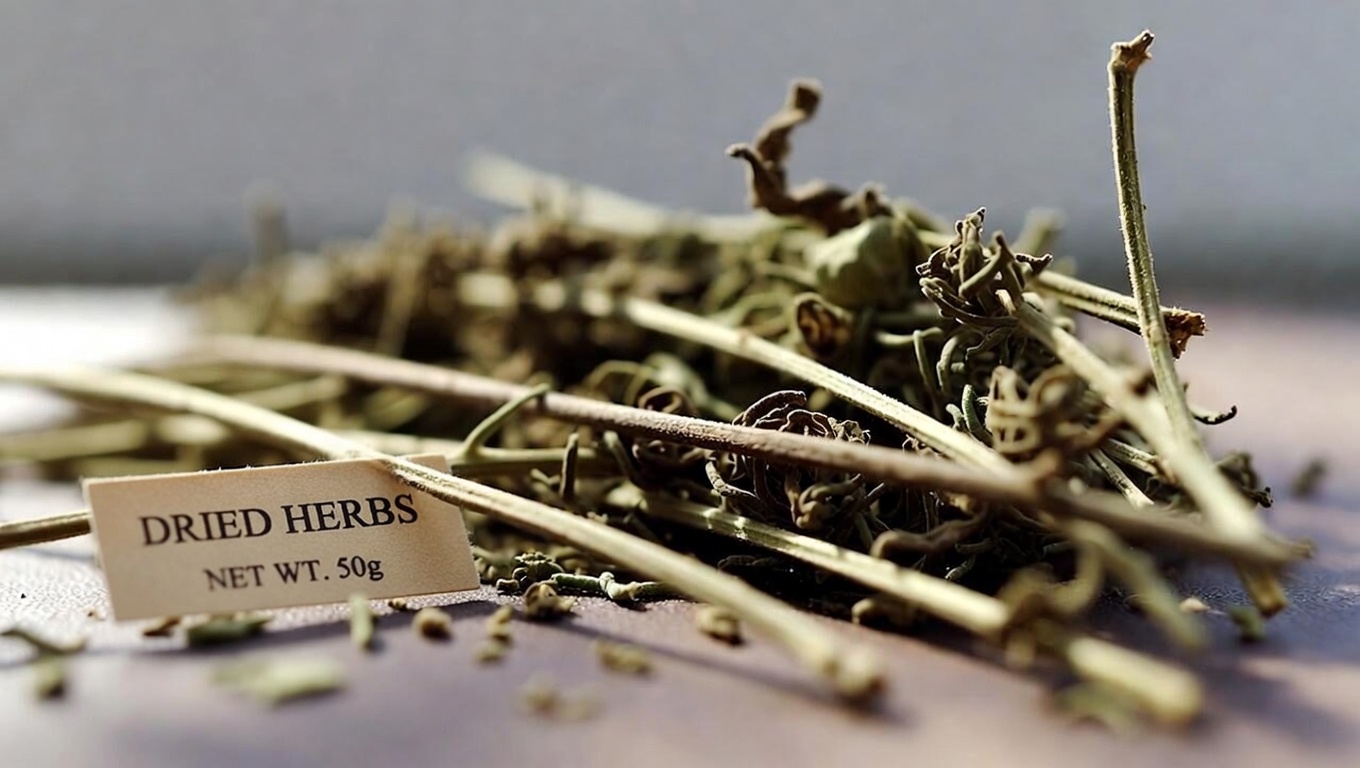
Thyroid-Support OK Tea Recipe (1 Serving)
Ingredients:
- 1 teaspoon dried ashwagandha root
- Commonly used as an adaptogen to support stress resilience
- 1 teaspoon dried nettle leaf
- Naturally rich in minerals
- ½ teaspoon dried ginger
- Adds warmth and may support digestion and circulation
- Optional: a pinch of cinnamon or a small amount of honey for flavor
Directions:
- Bring 1 cup (about 240 ml) of water to a boil.
- Place the herbs in a tea infuser, teapot, or directly into your cup.
- Pour the hot water over the herbs.
- Let the tea steep for 8–10 minutes to allow the flavors and properties to infuse.
- Strain if needed, add honey or cinnamon if desired, and sip slowly—ideally in the morning or evening as part of a calming ritual.
This blend draws on traditional herbal practices and emerging research indicating that herbs like ashwagandha may support overall well-being and, in some cases, healthy thyroid hormone levels. Always consider personal tolerances and talk with a healthcare provider before starting new herbs, especially if you have medical conditions or take medications.
Why These Habits Work Better Together
While each individual step—nutrient-rich eating, gentle movement, stress relief, sleep, hydration, and herbal tea—can be helpful on its own, combining them creates a more powerful, holistic approach.
Working together, these habits may:
- Support healthy thyroid hormone production and conversion
- Improve energy and mood over time
- Reduce the burden of chronic stress on your body
- Enhance overall well-being and resilience
Give yourself 2–4 weeks of consistent practice and track how you feel—energy, mood, sleep quality, and focus. Small, steady changes often add up to noticeable improvements.
FAQ: Common Questions About Thyroid-Supportive Habits
What foods are best for supporting thyroid health?
Emphasize:
- Selenium-rich foods like Brazil nuts, eggs, sunflower seeds, and fish
- Balanced sources of iodine such as iodized salt, seafood, and dairy (in moderation)
- Anti-inflammatory options like berries, leafy greens, colorful vegetables, nuts, and seeds
A varied, whole-food diet typically offers the best long-term support.
Is it safe to drink herbal teas every day?
Many gentle herbal teas are considered safe for daily use in moderate amounts. However:
- Herbs can interact with medications or health conditions.
- If you have thyroid disease, are pregnant, breastfeeding, or on prescribed medication, consult your healthcare provider before regularly consuming herbal teas with active herbs like ashwagandha or nettle.
How long will it take to notice a difference from these habits?
Everyone is different, but many people begin to notice:
- More stable energy
- Better sleep
- Improved mood and focus
within a few weeks of consistently eating nutrient-dense foods, managing stress, and supporting sleep. Patience, regular tracking, and gradual adjustments are important.
Can these lifestyle steps replace medical treatment for thyroid issues?
No. These suggestions are supportive lifestyle strategies, not a substitute for medical care.
- Always follow your doctor’s recommendations for testing, medication, and treatment.
- Use nutrition, movement, stress management, and herbal support as complementary habits alongside professional medical guidance.
If you suspect a thyroid condition or your symptoms are worsening, seek evaluation from a qualified healthcare provider.