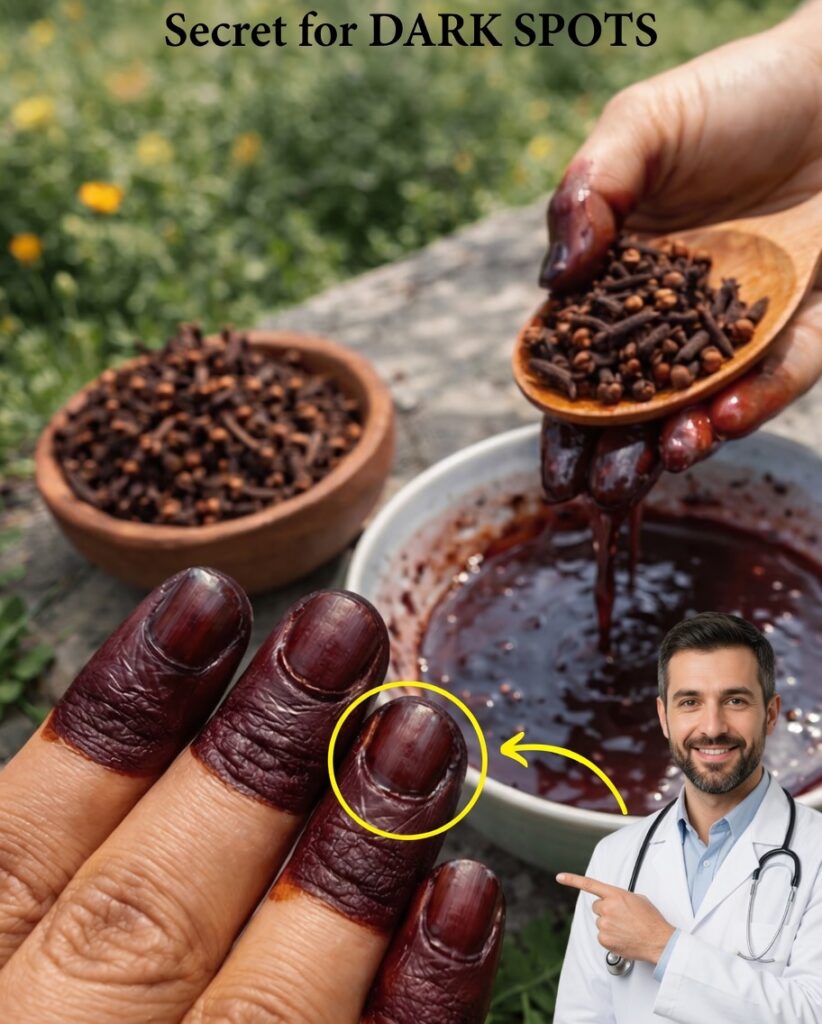
Want Darker, Longer-Lasting Henna Without Chemicals? Try This Natural Kitchen Secret That Also Helps Protect Skin
Henna (also called mehndi) has been admired for centuries for its intricate patterns and deep cultural meaning—especially during weddings, celebrations, and festivals. Yet many people feel disappointed when, after waiting hours for the paste to dry, the stain develops into a pale orange tone that fades quickly instead of the rich reddish-brown henna color they hoped for.
The good news: there’s a simple, traditional, natural henna darkening method that can help deepen your stain—using an ingredient you likely already have at home. Keep reading to learn how cloves (clove buds) can enhance henna results naturally and effectively.
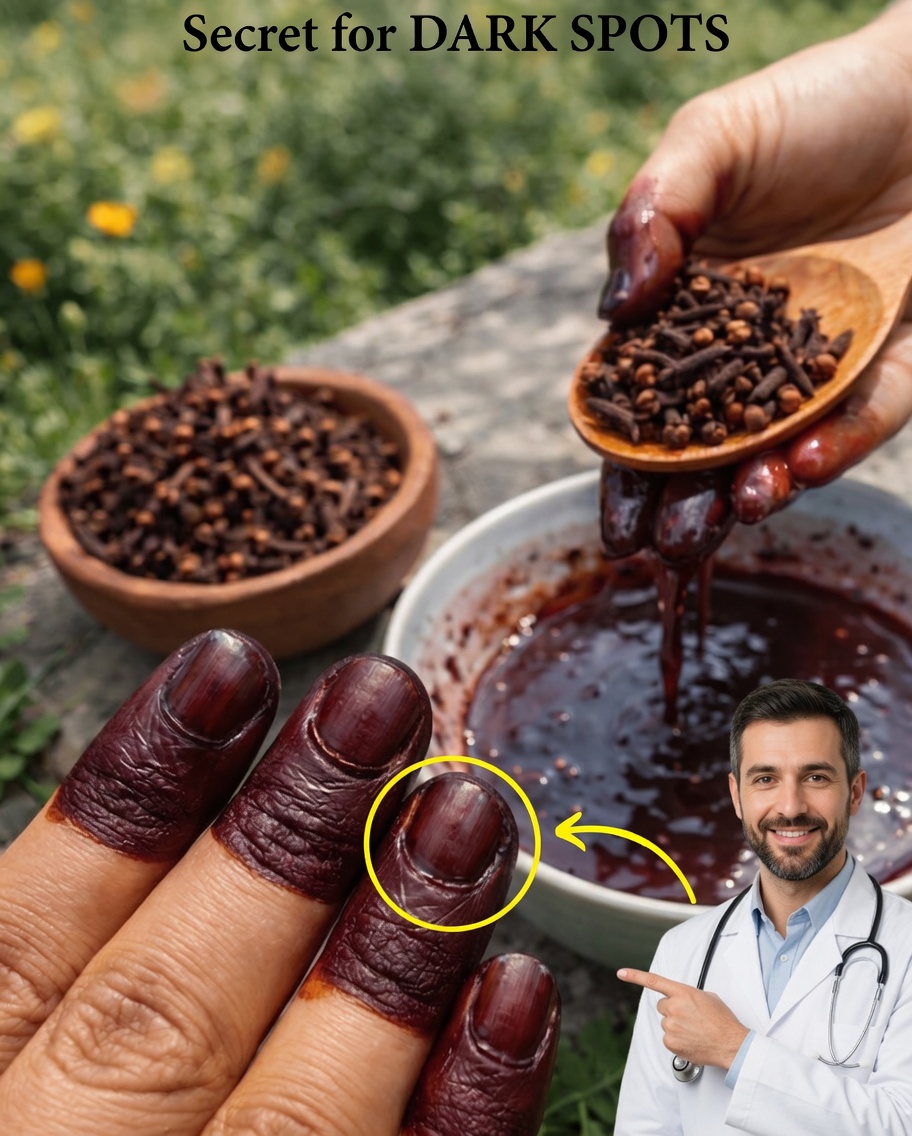
What Determines How Dark Henna Gets?
Henna’s dye comes from a natural pigment called lawsone, found in the plant Lawsonia inermis. How deep your stain becomes depends on several factors, including:
- The quality and freshness of the henna powder
- Your skin type and body temperature
- How long the paste stays on your skin
- Your aftercare once the dried paste is removed
Across many traditions, people have used spices and warming techniques to encourage dye release and support oxidation—the key process that allows henna to darken over time. Among those spices, clove is often highlighted.
Cloves contain eugenol, an aromatic compound that may interact with lawsone and help produce a deeper-looking stain. Results can vary from person to person, but many users report noticeably darker, richer tones with this technique.
Why Add Cloves to Henna?
Cloves aren’t just for cooking—they’ve also been used in natural skincare routines for generations. When used carefully, cloves can offer several advantages for henna lovers:
- Easy to find: commonly available in most kitchens or grocery stores
- Supports oxidation: gentle warmth from clove steam may help deepen the stain
- Enhances tone: often associated with darker, richer henna outcomes
- Flexible use: can be used after application or incorporated into the paste
How to Use Cloves to Darken Henna Naturally
Method 1: Clove Steam (After Application)
This is one of the most traditional and widely used approaches:
- Apply henna as usual and let it dry fully (4–8 hours or overnight).
- Gently remove the dried paste without water (a little oil can help lift it).
- Warm 10–15 whole cloves in a dry pan for 2–3 minutes until they release fragrant steam (avoid burning them).
- Hold your hands (or the stained area) about 20 cm / 8 inches above the steam for 1–2 minutes per side.
- Repeat 3–4 rounds if desired.
- Finish by applying a natural oil (such as coconut or mustard oil) to help seal in moisture and support stain development.
Expect the henna stain to deepen gradually over the next 24–48 hours.
Method 2: Clove Infusion in the Henna Paste
If you prefer to include clove from the start:
- Boil 1 cup of water with 1 tablespoon of cloves for 8–10 minutes.
- Strain and let the liquid cool.
- Use the cooled clove water to mix your henna into a smooth paste.
- Add a few drops of lemon juice and let the paste rest for 6–8 hours.
- Apply as usual.
Caution: Use cloves in moderation—eugenol may trigger sensitivity for some people.
Extra Tips for a Darker, Longer-Lasting Henna Stain
- Clean skin thoroughly before application (avoid lotions, creams, or oils)
- Keep the area warm (wrap with cloth or plastic to retain heat)
- Avoid water on the design for the first 24 hours
- Apply natural oils after scraping off the paste
- Use a lemon-and-sugar sealant to keep paste slightly moist for longer contact time
Frequently Asked Questions
How long does henna take to reach its darkest color?
Henna usually deepens within 24–48 hours, with peak color often appearing on day 2 or day 3.
Is this safe for sensitive skin?
Often yes, but eugenol can irritate some skin types. Do a patch test before using clove-based methods.
Can I combine cloves with other natural ingredients?
Yes. Some people pair clove techniques with tea rinses or essential oils like tea tree, depending on skin tolerance and preference.
Final Thoughts
Using cloves for darker henna is a simple, traditional, and chemical-free approach that many people find helpful for achieving a deeper, longer-lasting stain. While results vary, it’s a worthwhile technique to try—carefully and patiently—while enjoying the artistry of mehndi.
Disclaimer: This content is for informational purposes only. Natural ingredients can still cause irritation or allergic reactions. Always patch test before use, and seek professional advice if you have concerns or sensitivities.