These 14 Warning Signs Could Save Your Life — Learn Them Before It’s Too Late
Cancer remains one of the leading causes of death among women, and it often progresses quietly. Subtle body changes are frequently blamed on stress, hormonal shifts, or aging. With work, family, and daily responsibilities, it’s easy to brush off persistent fatigue, bloating, or light bleeding. The problem is that ignoring early cancer symptoms can allow a serious condition to advance unnoticed. The encouraging news: recognizing potential warning signs early can significantly improve outcomes.
Why Do These Symptoms Often Go Unnoticed?
The female body changes throughout life—monthly cycles, pregnancy, postpartum recovery, perimenopause, menopause—so many symptoms can feel “normal.” Still, when a symptom lingers, worsens, or appears without a clear reason, it deserves attention. Early detection can greatly increase the chances of effective treatment.
14 Symptoms You Shouldn’t Ignore
1) Unusual bleeding
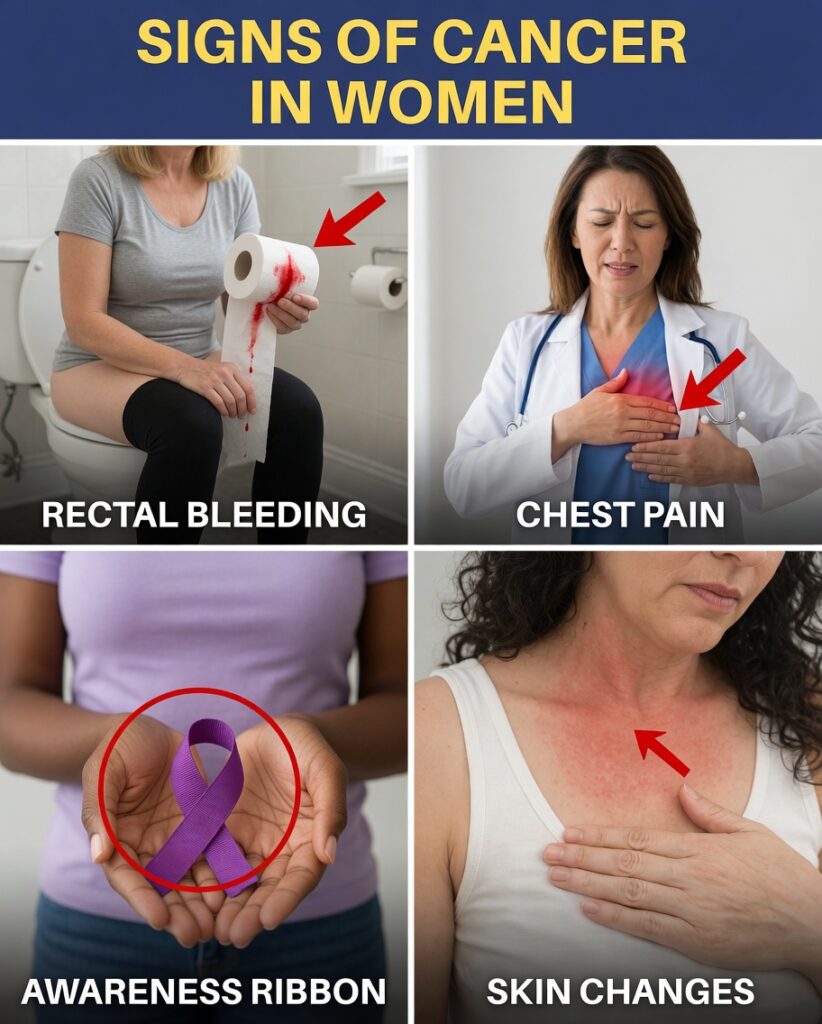
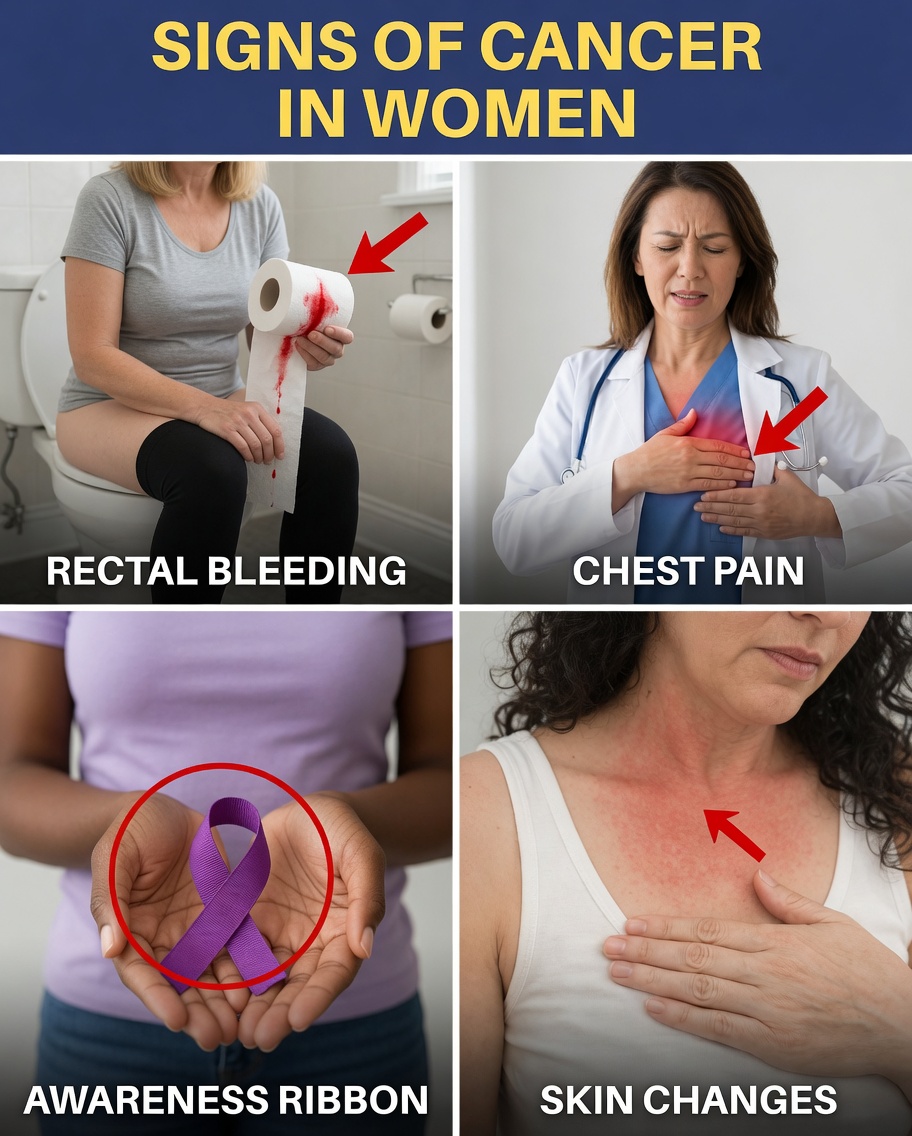
Bleeding between periods, after menopause, or after sex should never be dismissed. This also includes blood in the stool.
2) Unexplained weight loss
Losing more than 4–5 kg (9–11 lb) without changes in diet or activity can be a red flag that should be evaluated.
3) Breast changes
Seek medical advice for:
- A new lump or thickening
- Persistent pain in one area
- Redness, swelling, or warmth
- Nipple discharge (especially if bloody)
- Skin changes (dimpling, scaling, texture changes)
4) Changes in moles or skin spots
Pay attention to evolving moles or marks. The ABCDE rule can help identify possible skin cancer risk:
- Asymmetry
- Border irregularity
- Color variation
- Diameter growth
- Evolving (any change over time)
5) Ongoing abdominal bloating
Persistent bloating—especially with pelvic pain, pressure, or feeling full quickly—should be taken seriously.
6) Extreme fatigue that doesn’t improve
Constant exhaustion that doesn’t get better with rest may signal an underlying issue that needs investigation.
7) Irregular or unusually heavy periods
Warning signs include:
- Very heavy flow
- Longer-than-usual cycles
- New or unusual pain
- Bleeding patterns that suddenly change
8) Intense night sweats
Waking up drenched—particularly when combined with other symptoms—should be discussed with a clinician.
9) Swollen lymph nodes
Persistent swelling in the neck, armpits, or groin may indicate infection, inflammation, or something more serious and should be checked if it doesn’t go away.
10) Blood in the stool
Even a small amount matters. Do not assume it’s “just hemorrhoids” without medical assessment.
11) A persistent cough
A cough that lasts for weeks, worsens, or includes blood requires prompt medical evaluation.
12) Unusual headaches
Headaches that change in pattern, frequency, or intensity—especially if new—should be assessed.
13) Mouth sores that don’t heal
Sores, ulcers, or patches that persist (including white or red areas) are potential warning signs, particularly if they do not resolve.
14) Urinary changes
Do not ignore:
- Pain or burning
- Frequent urgency
- Changes in flow
- Blood in the urine
When Should You Take Action?
If any of these symptoms persist for more than a few weeks, schedule a medical appointment. Don’t wait for symptoms to become severe.
Practical Tips for Prevention and Staying Alert
- Check in with your body regularly and note anything new or persistent
- Track symptoms (when they started, how often they occur, what makes them better/worse)
- Keep up with annual preventive screenings as recommended for your age and risk factors
- Support your health with:
- A balanced, minimally processed diet
- Regular physical activity
- Adequate sleep and stress management
One Simple Step That Can Change Everything
Take a moment today to observe how you’ve been feeling. Book the screening or check-up you’ve been postponing. Small actions now can bring clarity and peace of mind later.
Frequently Asked Questions
How can I tell what’s normal versus what’s concerning?
The biggest red flags are persistence, worsening symptoms, or multiple symptoms occurring together—especially without an obvious explanation.
Should I get screenings even if I feel fine?
Yes. Many cancers are discovered before any noticeable symptoms through routine preventive exams and screenings.
How should I talk to my doctor about symptoms?
Bring clear notes about:
- What you’re experiencing
- When it started
- How often it happens
- Any changes over time
Be direct about your concerns and ask what tests or follow-up are appropriate.
Medical Disclaimer
This content is for informational purposes only and does not replace professional medical advice. If you have symptoms or concerns, consult a qualified healthcare provider.