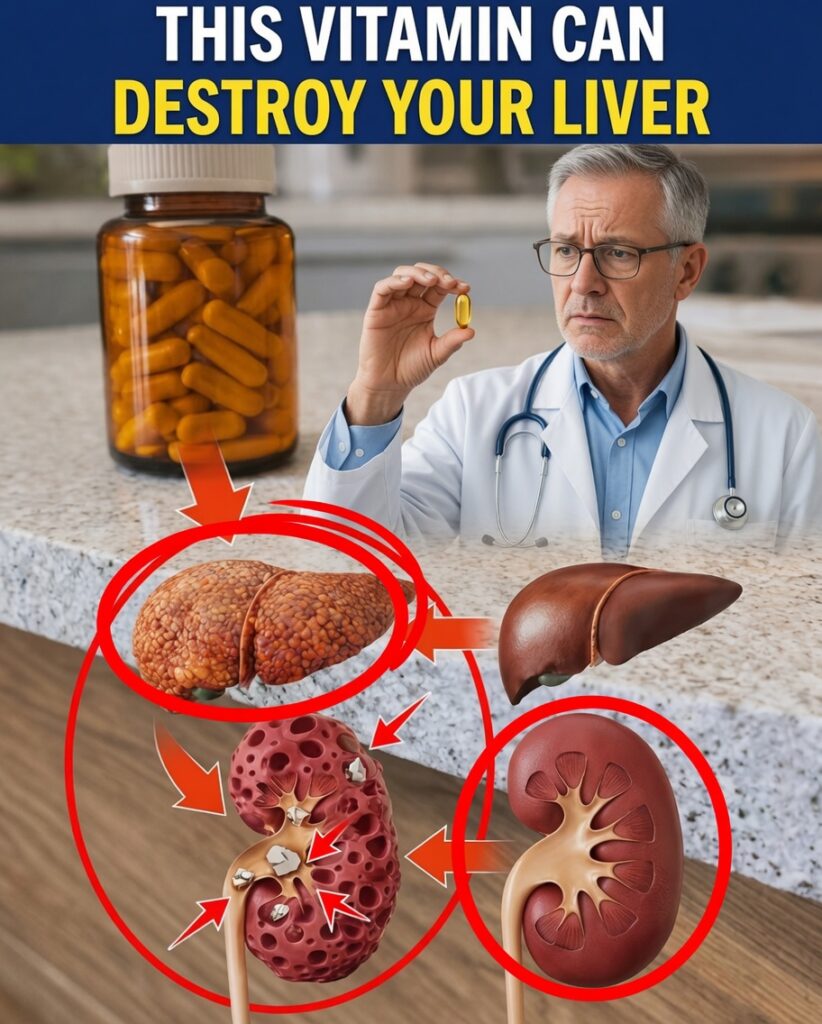
A Common Vitamin Mistake That Can Strain Your Kidneys — Learn How to Supplement Safely and Support Your Health
You take a supplement believing you’re doing something good for your body… but what if that “natural” capsule is quietly putting extra stress on your liver or kidneys? Many people use vitamins and herbal products every day without a second thought, assuming that natural automatically means safe. In reality, supplement safety depends on dosage, quality, and individual risk factors. Understanding this can be a simple, powerful way to protect your long-term health.
Why the Liver and Kidneys Can Be Affected by Supplements
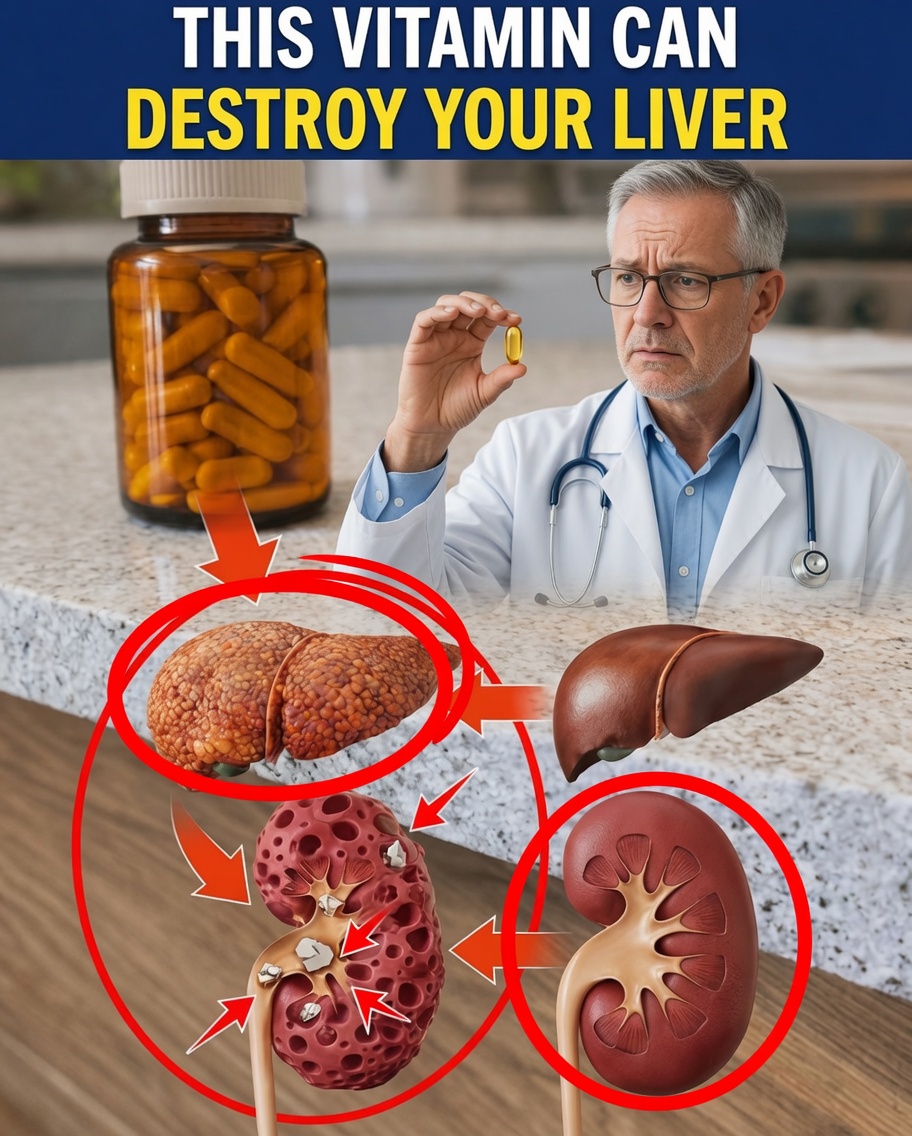
Your liver is one of the body’s main processing centers, breaking down and metabolizing many substances you consume. Your kidneys, in turn, filter your blood, remove waste products, and help balance fluids and minerals.
When certain compounds are taken in excess—especially fat-soluble vitamins or highly concentrated extracts—these organs may become overburdened. In some cases, the result can be irritation, abnormal lab values, or even injury.
For most people, the issue isn’t responsible use. The greatest risks typically come from:
- High doses
- Long-term use without monitoring
- Low-quality or poorly regulated products
- Stacking multiple supplements with similar effects
9 Supplements That Deserve Extra Caution
Below are common supplements that may require more careful use—particularly at high doses or over long periods.
-
Green Tea Extract
Often used for weight loss and energy, concentrated green tea extract has been linked to liver stress in high amounts. Traditional brewed green tea is generally considered safer for most people. -
Turmeric / Curcumin (High Doses)
Turmeric is widely valued for its anti-inflammatory benefits, but highly concentrated curcumin or very large doses may increase liver workload in some individuals. -
Ashwagandha
Popular for stress support and sleep, ashwagandha has been associated with liver-related concerns in some cases, especially with extended use or individual sensitivity. -
Vitamin A (Too Much)
Vitamin A supports vision and immune function, but it is fat-soluble, meaning it can accumulate in the body. Excessive intake may contribute to toxicity and liver strain. -
Niacin (Vitamin B3)
Niacin can be helpful at appropriate levels, but higher doses may affect liver enzymes and should not be used casually without supervision. -
Black Cohosh
Often taken for menopause symptoms, black cohosh has been linked to rare cases of liver problems, making quality and monitoring important. -
Garcinia Cambogia
Marketed for weight management, garcinia cambogia appears in reports of possible liver injury, particularly in multi-ingredient “fat burner” formulas. -
Vitamin C (Megadoses)
Vitamin C is beneficial and widely used, but very high doses may increase the risk of kidney stones in susceptible individuals. -
Red Yeast Rice
Used for cholesterol support, red yeast rice may contain compounds similar to prescription medications, which can require liver caution—especially when combined with other agents.
Warning Signs You Shouldn’t Ignore
Stop the supplement and seek professional guidance if you notice symptoms such as:
- Unusual fatigue
- Yellowing of the skin or eyes
- Dark urine
- Abdominal pain or discomfort
- Nausea or reduced appetite
- Swelling or changes in urination
These symptoms don’t always mean serious damage—but they should be evaluated promptly.
How to Protect Your Body While Using Supplements
You can reduce risk and still benefit from vitamins and herbal supplements by following these practical guidelines:
- Choose reputable, certified brands
- Avoid high doses unless a professional recommends them
- Talk to a qualified healthcare professional, especially if you take medications or have existing conditions
- Get regular checkups and lab tests when using long-term supplements
- Prioritize nutrient-rich whole foods as your foundation
- Don’t combine many supplements at once (avoid “stacking” unnecessarily)
Conclusion
Supplements can be valuable tools for wellness—but only when used thoughtfully. The safest approach is built on balance, product quality, and accurate information. Protecting your liver and kidneys today is an investment in your future health.
Important: This article is for informational purposes only and does not replace medical advice. Always consult a healthcare professional before starting any supplement.