Kidney Pain? These Everyday Foods May Be Making It Worse Without You Realizing
Have you ever felt a sudden, intense pain that seems to “lock” your whole body? Kidney stones are notorious for causing extreme discomfort that can derail your day in seconds. But what if part of the problem is hidden in your daily diet? Keep reading—small, practical changes can make a noticeable difference in just a few weeks.
Kidney Stones and Diet: What’s the Connection?
Kidney stones develop when minerals and other compounds in urine become too concentrated and begin to form crystals. The most common type is calcium oxalate stones, which occur when oxalate (found in many plant-based foods) binds with calcium in the urinary tract.
Other types—such as uric acid stones—are often linked to high intake of animal protein and/or not drinking enough fluids.
The key point: kidney stones are rarely caused by one single food. They’re usually the result of a long-term eating pattern. Consistent, manageable adjustments can significantly lower your risk.
Foods That Deserve Extra Attention
1) High-Oxalate Foods
When eaten frequently or in large amounts, these foods may contribute to stone formation in people who are prone to calcium oxalate stones:
- Spinach and Swiss chard
- Beets
- Rhubarb
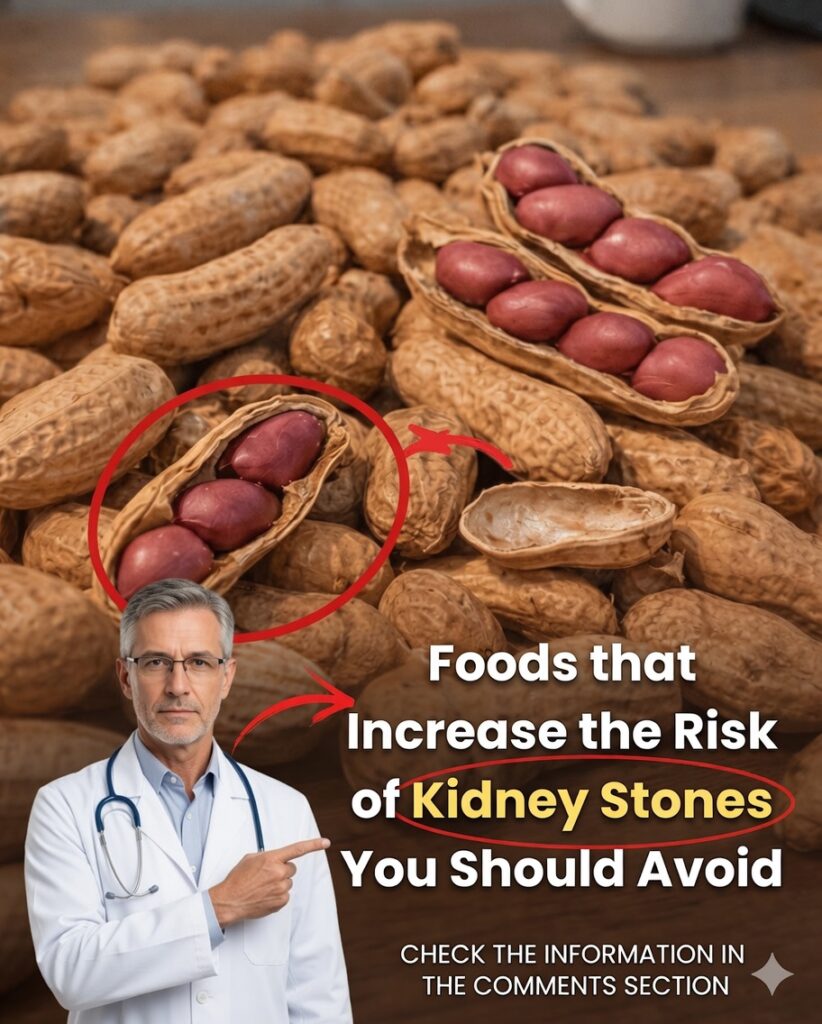
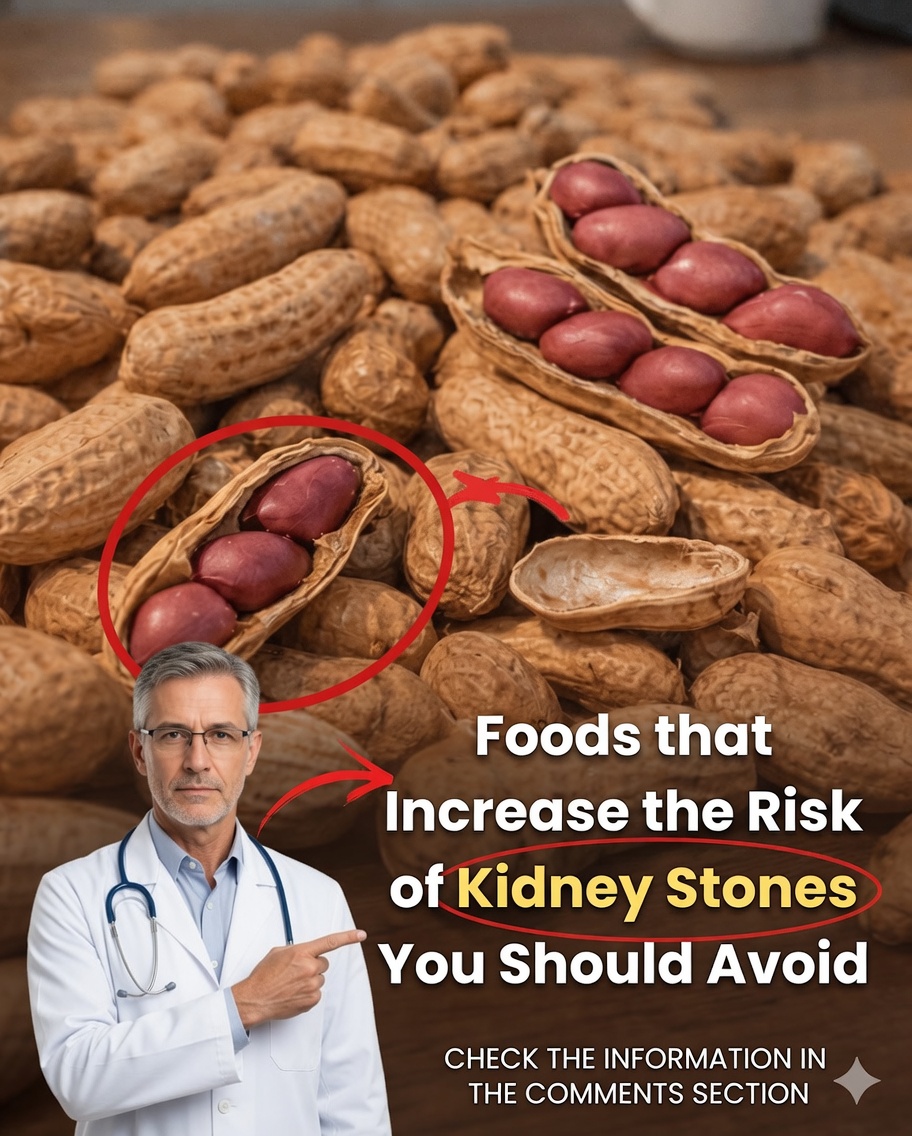
- Almonds, mixed nuts, and peanuts
- Chocolate and cocoa
- Sweet potatoes
- Black tea
Helpful note: Cooking certain high-oxalate vegetables can reduce part of their oxalate content.
2) High-Sodium (Salty) Foods
Too much sodium can cause the kidneys to release more calcium into the urine, increasing the likelihood of kidney stones. Common sources include:
- Processed and canned foods
- Fast food
- Salty snacks (chips, crackers)
- Packaged soups and ready-made sauces
Many people exceed their sodium needs without noticing, especially when relying on packaged meals.
3) Too Much Animal Protein
A diet heavy in animal protein can raise uric acid levels and create conditions that encourage stone formation. Watch portions of:
- Red meat (beef, pork)
- Chicken and organ meats
- Large amounts of eggs
- Fish and seafood (when eaten in high quantities)
- Excessive dairy intake
Also, sugary drinks may indirectly increase risk by contributing to dehydration, making urine more concentrated.
Safer, More Kidney-Friendly Alternatives
You don’t have to eliminate everything—aim for balance and smarter swaps:
- Replace spinach with cauliflower or choose white rice as a lower-oxalate option
- Prioritize home-cooked meals and season with herbs and spices instead of excess salt
- Cut back on meat and add beans, lentils, and tofu
- Swap soda for water or water with lemon
- Choose fruits like apples and pears
Simple Steps to Help Protect Your Kidneys
Start with habits you can implement today:
- Drink more water: roughly 2–3 liters per day (individual needs vary)
- Manage portion sizes, especially for animal protein
- Reduce sodium gradually to make it sustainable
- Get calcium from natural sources (such as milk or calcium-fortified foods)
- Spread high-oxalate foods throughout the week instead of eating them daily
- Add lemon or orange to water to boost natural citrate, which can help reduce stone formation
These are small moves—but they become powerful when you stick with them.
Why This Matters
Eating with kidney health in mind doesn’t mean giving up the joy of food. It means making informed choices that support your body. Many people reduce recurring kidney stones simply by improving hydration and keeping their diet more balanced over time.
Frequently Asked Questions
Which type of kidney stone is most affected by diet?
Calcium oxalate stones are the most common and are strongly influenced by dietary patterns.
Can I still eat nuts?
Yes—in moderation. It can help to vary your choices and pair them with calcium-containing foods when appropriate.
How much water should I drink?
A common target is producing about 2 liters of urine per day, which typically requires around 8–12 cups of fluids, depending on your body size, climate, and activity level.
Medical Disclaimer
This content is for educational purposes only and does not replace medical advice. Always consult a qualified healthcare professional for personalized guidance.