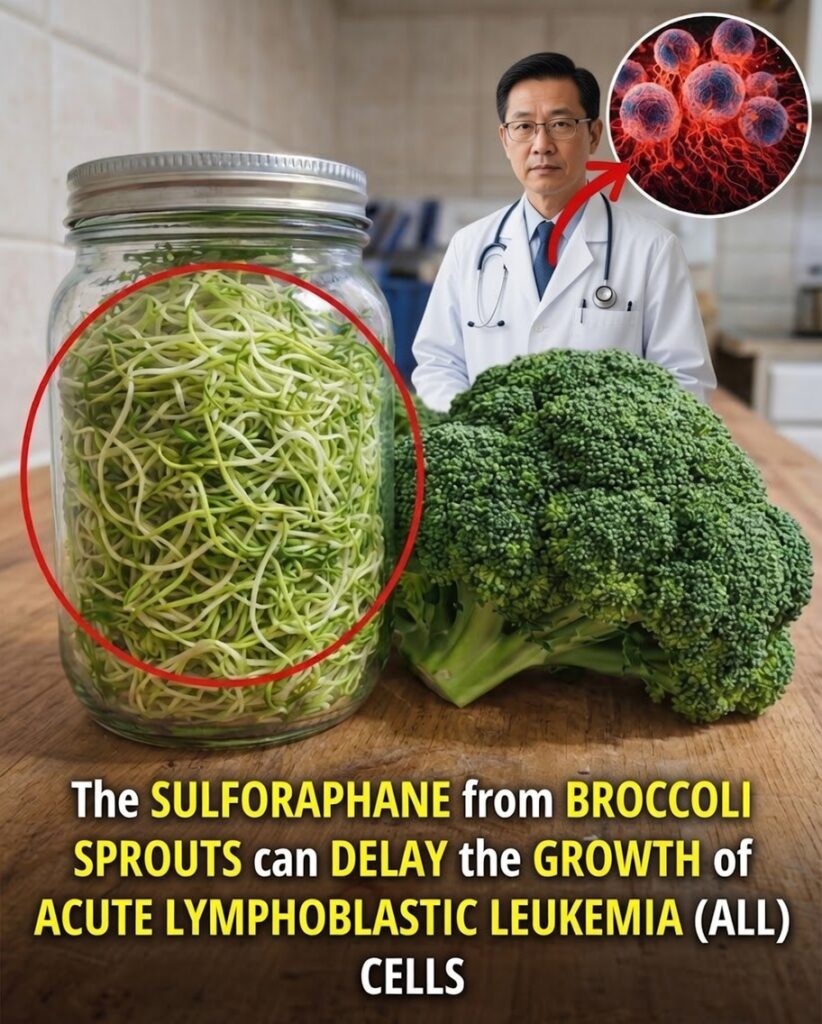
Could a Simple Broccoli Sprout Help Activate the Body’s Natural Defense Systems?
When a child is diagnosed with acute lymphoblastic leukemia (ALL)—the most common type of childhood blood cancer—entire families are suddenly pushed into uncertainty. In moments like these, one quiet but powerful question often appears: can everyday nutrition offer any meaningful support during such a delicate time?
What if a familiar food—broccoli sprouts—held clues about how the body responds to certain disease processes? Below is what research has suggested so far, how the key compound may work in the body, and practical ways to include these foods in your routine.
What Is Sulforaphane, and Where Does It Come From?
Sulforaphane is a naturally occurring compound found in cruciferous vegetables. It is not stored in large amounts as-is; instead, it forms when these vegetables are chopped, chewed, or crushed.
Here’s how it happens:
- Cruciferous plants contain a precursor called glucoraphanin
- When the plant tissue is damaged (cutting or chewing), an enzyme-driven reaction helps convert glucoraphanin into sulforaphane
Foods known to contain sulforaphane (or its precursors)
- Broccoli
- Cauliflower
- Kale
- Cabbage
- Brussels sprouts
- Bok choy
- Arugula (rocket)
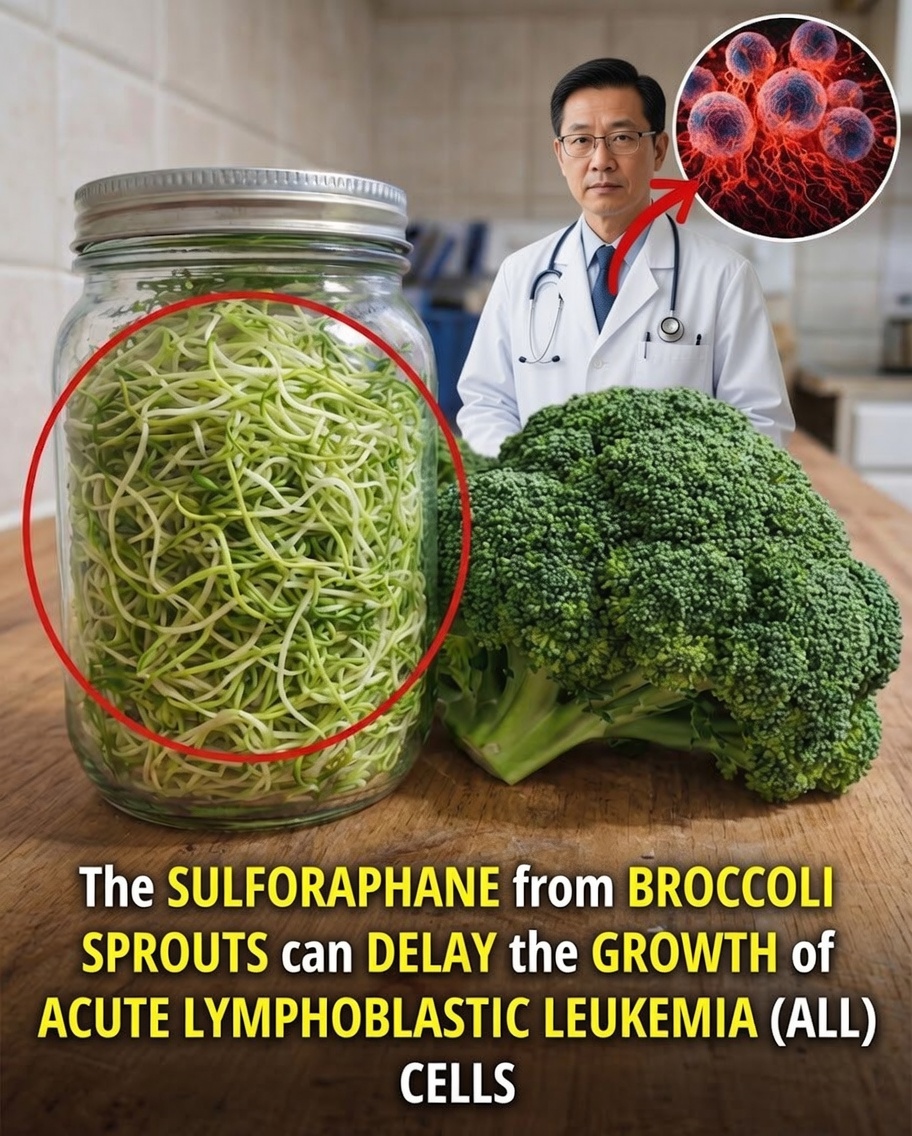
Among these, broccoli sprouts stand out because they typically contain much higher levels of sulforaphane-forming compounds than mature broccoli.
What Did a 2012 Study Find?
A scientific study published in 2012 examined the effects of sulforaphane on ALL cells in a laboratory setting. In these experiments, sulforaphane was associated with several changes, including:
- Increased programmed cell death (apoptosis)
- Disruption of the cell cycle (slowing or stopping cell division)
- Activation of enzymes involved in clearing damaged cells
- Reduced signaling pathways that can help abnormal cells survive
In animal models, researchers also observed a reduction in tumor progression.
Important note: these findings came from lab and animal research, not from proven clinical treatment results in humans. They should be viewed as early-stage scientific evidence—not a medical therapy.
How Sulforaphane May Work in the Body
A useful way to think about the human body is as a system with built-in “quality control.” When cells become damaged or behave abnormally, natural mechanisms can sometimes slow their growth or trigger self-destruction to protect the body.
Early research suggests sulforaphane may help support these protective processes by:
- Limiting the multiplication of abnormal cells
- Supporting the body’s natural cellular “cleanup” pathways
- Dampening certain biological routes that can favor unhealthy cell survival
That said, human biology is far more complex than a lab dish, and many variables—genetics, overall diet, medications, gut health, and treatment status—may influence how these mechanisms behave.
How to Add Broccoli Sprouts and Cruciferous Vegetables to Your Routine
If you want to include sulforaphane-rich foods more often, these practical strategies can help:
-
Grow broccoli sprouts at home
Soak broccoli seeds overnight, rinse them twice daily, and harvest in 4–6 days. -
Chop—and wait
After cutting cruciferous vegetables, let them sit for 10–30 minutes before eating or cooking. This waiting period can support sulforaphane formation. -
Choose raw or lightly cooked options
Prolonged high heat may reduce certain active compounds, so consider light steaming or raw preparations when appropriate. -
Aim for consistency
Small servings several times per week can be easier to maintain than occasional large portions. -
Pair foods strategically
Adding mustard or radish may help enhance conversion or absorption, since these foods can contribute helpful enzymes.
Other Potential Benefits Being Studied
Beyond ALL-related lab research, sulforaphane has been explored for broader wellness effects. Early findings suggest it may:
- Support the body’s natural detoxification processes
- Help reduce oxidative stress
- Contribute to a healthier inflammatory balance
These areas are still under investigation, and results remain preliminary.
Frequently Asked Questions
-
Can sulforaphane or broccoli sprouts replace medical treatment?
No. No food can replace conventional medical therapy, especially for serious diseases like leukemia. -
Is it safe for children or people undergoing treatment?
In normal food amounts, cruciferous vegetables are often considered safe for many people, but always consult a qualified healthcare professional, particularly during cancer treatment. -
Are supplements better than whole foods?
Not necessarily. Whole foods often provide a more balanced nutritional profile and may be safer than concentrated supplements, depending on the situation.
Final Thoughts
Science continues to explore how natural plant compounds interact with the human body. Sulforaphane is a promising example—but it is not a proven therapeutic solution for leukemia or other diseases.
The most reliable approach remains a balanced combination of medical guidance, a healthy dietary pattern, and informed daily choices.
Disclaimer: This article is for informational purposes only and does not replace medical advice. Always consult a healthcare professional before making dietary changes, especially in cases involving serious illness.