Scientists Found Something Unexpected: An Old Remedy May Help Fight Hard-to-Treat Infections
You may have heard worrying stories about minor skin infections that simply don’t improve with standard antibiotics. Methicillin-resistant Staphylococcus aureus (MRSA) has become an increasing threat in both hospitals and the wider community. These stubborn bacteria can turn a small cut into a long-lasting, difficult medical problem.
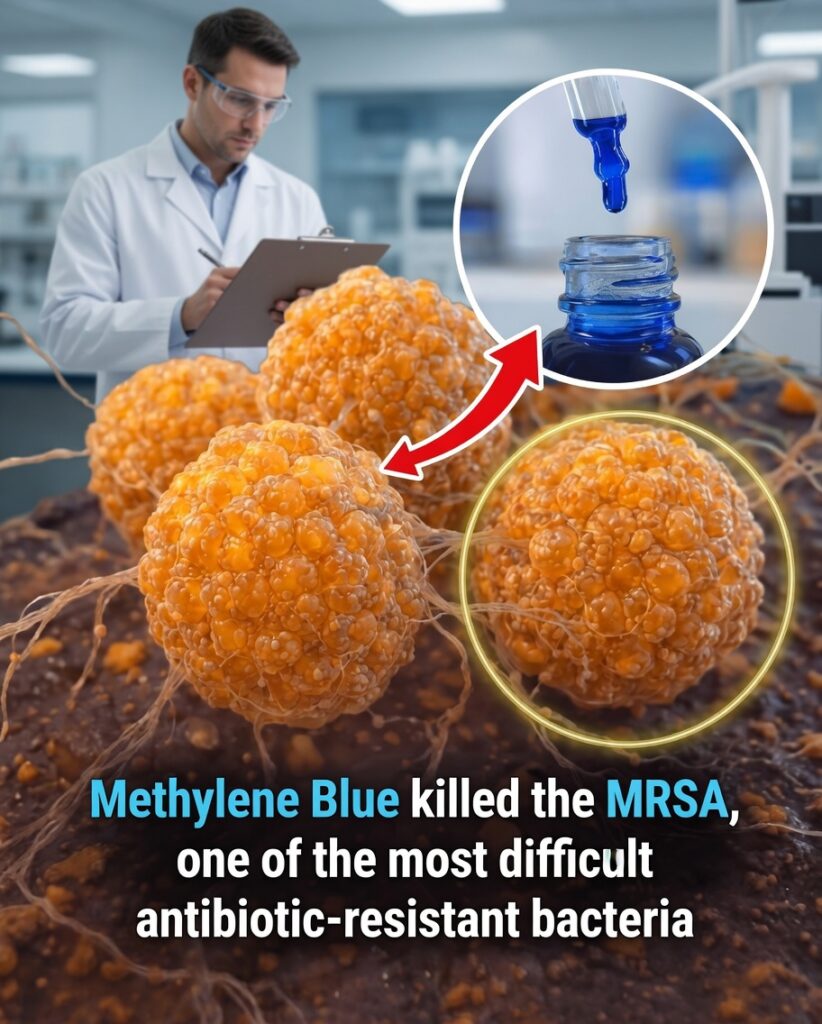
What’s especially interesting is that a long-known compound—methylene blue— is gaining attention again. Recent lab findings suggest it may offer a new angle in the fight against antibiotic-resistant bacteria. The details are genuinely striking.
What Is MRSA, and Why Is It a Concern?
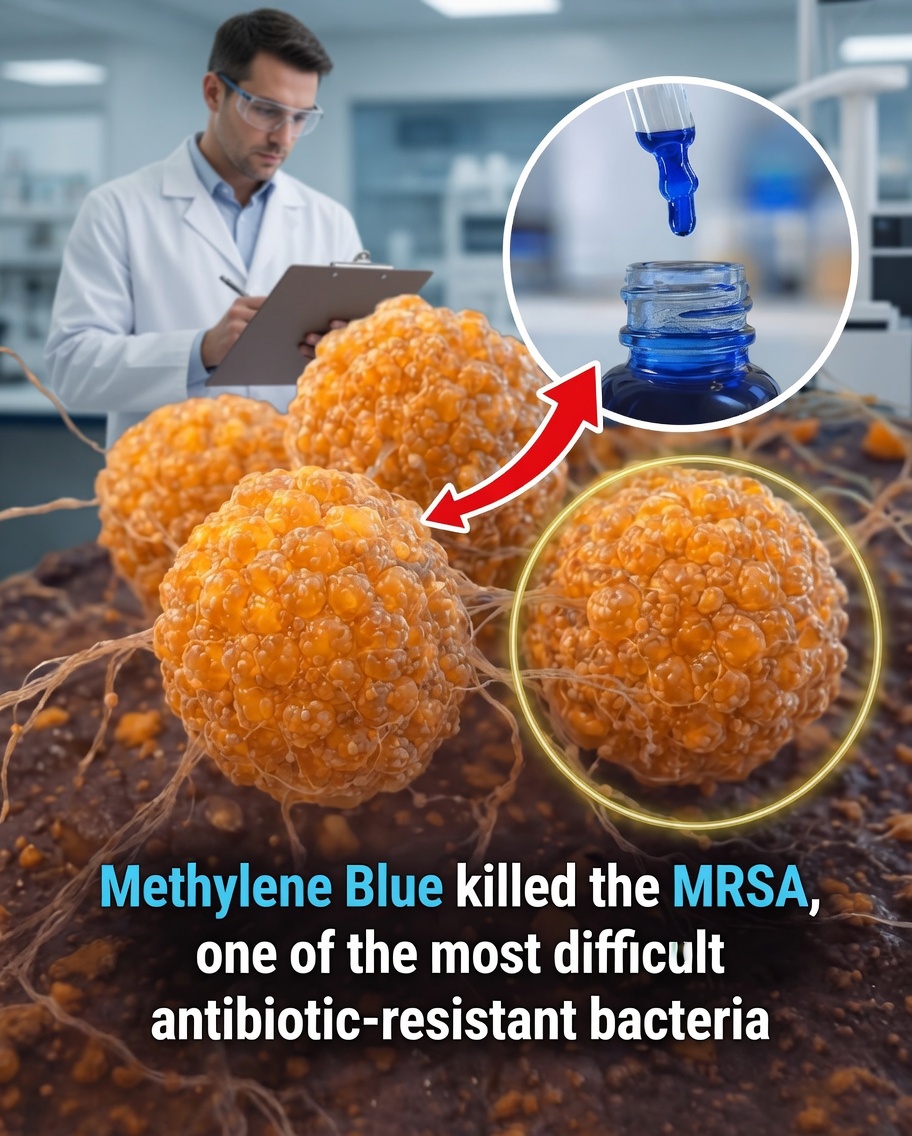
MRSA is a type of staph bacterium that has developed resistance to multiple antibiotics, including methicillin. It most commonly causes skin and soft-tissue infections, but it can also progress into more severe conditions if it spreads or enters deeper tissues.
Another major challenge is how quickly MRSA can circulate, making prevention and control more difficult—especially in settings where people are in close contact.
Because of this, scientists are exploring alternatives: not only brand-new antibiotics, but also different types of compounds that can act through other mechanisms.
Methylene Blue: A Familiar Compound in a New Spotlight
In a recent laboratory study, researchers examined 104 clinical MRSA samples and tested methylene blue to evaluate whether it could stop bacterial growth.
The findings showed that methylene blue was able to inhibit bacterial growth at specific concentrations—but the results went further than simple growth control.
When researchers tracked bacterial reduction over time, they found that:
- At certain concentrations, methylene blue not only prevented growth but also significantly reduced bacterial counts.
- Within 24 hours, there was a substantial drop in bacterial presence.
- The impact was concentration-dependent—within the tested range, higher concentrations produced a stronger effect.
This points to a direct antibacterial action, not merely a “holding back” effect.
Testing Under More Realistic Conditions
To move beyond standard lab testing, the researchers also used human skin tissue under controlled conditions. In this more life-like scenario, methylene blue again showed the ability to reduce MRSA survival.
The study also noted that when methylene blue was combined with certain antibiotics, the results appeared potentially stronger—suggesting a complementary effect that could enhance existing treatments.
Why These Results Matter
Antibiotic resistance is one of the biggest challenges in modern healthcare. Finding substances that work differently could:
- Reduce overreliance on traditional antibiotics
- Improve how well current antibiotics work
- Expand options for infections that are increasingly difficult to treat
Methylene blue has a long history of medical use in other contexts, meaning there is already a known safety background. That may make future research easier—although important steps still remain before any clinical use for MRSA can be considered.
Common Questions
-
Can I use methylene blue at home to treat an infection?
No. These results come from lab testing and controlled tissue models. There is no recommendation for home use. -
Is methylene blue a “natural antibiotic”?
No. It isn’t classified as an antibiotic, even though it has shown antibacterial effects in testing. -
When could this become an actual treatment?
It’s too early to say. Researchers still need animal studies and human clinical trials.
Simple, Practical Ways to Protect Skin Health
While research continues, basic prevention and hygiene remain essential:
- Keep wounds clean and covered
- Wash hands thoroughly before touching broken skin
- Avoid sharing personal items (towels, razors, clothing)
- Seek medical care if an infection worsens or doesn’t improve
Final Takeaway
Research on methylene blue and MRSA offers a fresh perspective on tackling resistant bacteria. The early findings are promising—but still preliminary and require much deeper investigation.
Sometimes the most valuable breakthroughs aren’t brand-new discoveries. They’re old tools re-examined with new methods—and this may be one of those cases.
Important Notice: This content is for informational purposes only and does not replace professional medical advice. Always consult a qualified healthcare provider before making decisions about infection treatment.