Stop Trying to “Treat” What Isn’t a Disease: Recognize These Signs and Care for Your Skin the Right Way
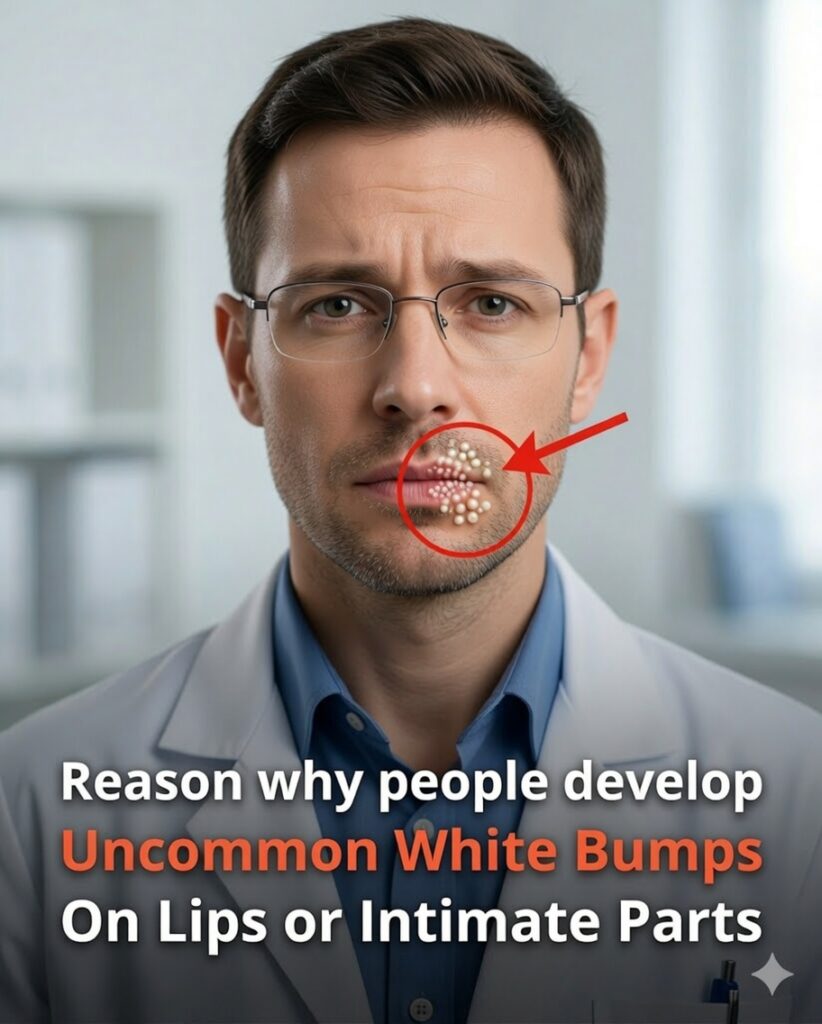
You glance in the mirror and notice tiny white dots around your lips. Or while getting dressed, you spot similar bumps in an intimate area that seemed completely normal before. It’s easy for your mind to jump straight to worry: “What is this? Is it serious?”
The reassuring truth is that, in most cases, these small white bumps are completely normal. They’re part of how skin naturally works—and they’re far more common than most people realize. What matters is understanding where they come from, because that changes how you interpret them (and how you care for your skin).
What Do These Small White Dots Look Like?
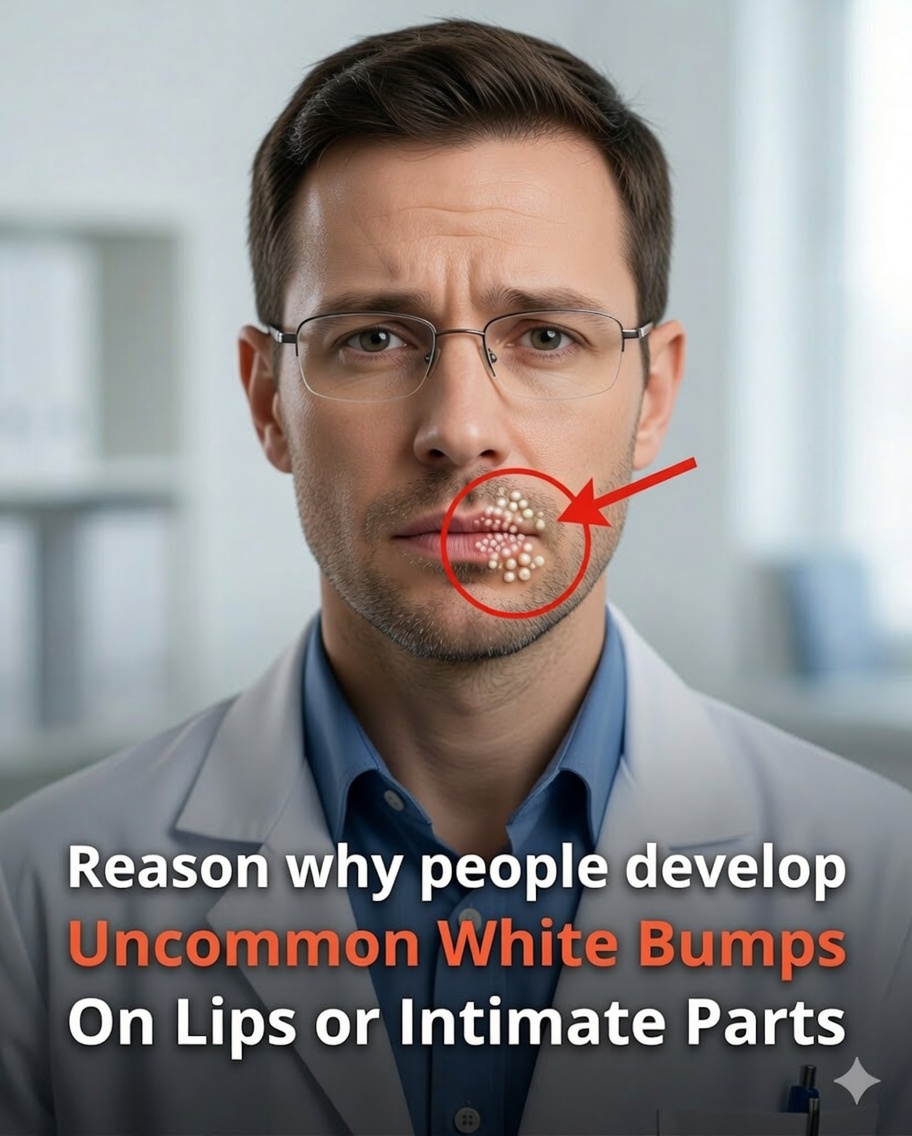
These spots usually appear as tiny, slightly raised bumps. Their color can be white, pale yellow, or close to your natural skin tone. They’re typically about 1–3 mm and tend to show up in clusters rather than alone.
Common places you may notice them include:
- Along the border of the lips
- Inside the cheeks
- On smooth areas of the genital region
If you gently stretch the skin, they often become easier to see. They’re usually smooth, painless, and not itchy, and they don’t cause discomfort.
Why Do They Appear?
These bumps are most often normal sebaceous (oil) glands that you’ve had since birth. They become more visible after puberty, when hormones can cause them to enlarge slightly.
You may notice them more if:
- You have oilier skin
- They run in your family (genetics)
- Skin changes occur over time (aging)
Research suggests that up to 90% of adults have these spots somewhere on the body—many people just don’t talk about them.
Where Do They Usually Show Up?
The most common locations are:
- Lip edges
- Inside the mouth
- Genital area (including around the labia or on the penis)
A helpful clue: they often appear symmetrically, which usually indicates they’re part of normal skin structure rather than an infection.
Myths vs. Facts
-
Myth: They’re contagious
Fact: They are not transmissible—they’re simply part of your body. -
Myth: They’re caused by poor hygiene
Fact: They’re not related to cleanliness. -
Myth: They will keep growing over time
Fact: They usually stay about the same size throughout life.
How to Care for the Surrounding Skin
These bumps generally don’t require treatment, but healthy skincare habits can keep the area comfortable and balanced:
- Choose gentle products without harsh chemicals
- Moisturize daily with natural oils or soothing balms
- Drink plenty of water
- Avoid picking, squeezing, or scraping
- Protect the lips with hydrating, natural lip care
Simple routines like these support skin health without irritating sensitive areas.
Why Understanding This Matters
Knowing these spots are usually normal can dramatically reduce anxiety. Instead of seeing them as a “problem,” you can recognize them as a common anatomical feature.
Many people feel immediate relief once they learn what these bumps typically are—and that peace of mind can make a real difference in everyday life.
When Should You See a Professional?
Consider seeing a dermatologist or qualified clinician if the bumps come with:
- Pain
- Redness
- Itching
- Rapid changes in appearance
In most situations, the visit is simply to confirm everything is normal.
Conclusion
These tiny white bumps are extremely common and are typically part of the skin’s natural anatomy. They are not dangerous, not contagious, and usually not a sign of disease.
Understanding what they are helps you feel calmer and more confident—without unnecessary worry.
Frequently Asked Questions (FAQ)
-
Are they contagious?
No. They cannot be passed to other people. -
Do they go away over time?
They usually remain, though they may look less noticeable as time goes on. -
When should I worry?
If there is pain, bleeding, or rapid changes, seek professional evaluation.
This article is for informational purposes and does not replace medical advice from a healthcare professional.