Can Cinnamon Naturally Help Fight Resistant Microorganisms? What Science Says About Biofilms
Many people deal with recurring issues linked to hard-to-eliminate bacteria and fungi—the kind that don’t seem to respond well to typical approaches. A major reason is that these microorganisms can organize into biofilms, protective communities that act like a shield and make them far more difficult to remove. The result is often ongoing discomfort and frustration.
What if a familiar kitchen spice could help us understand this process better? Research into cinnamon and its active compounds has uncovered some surprising possibilities.
What Are Biofilms—and Why Do They Matter?
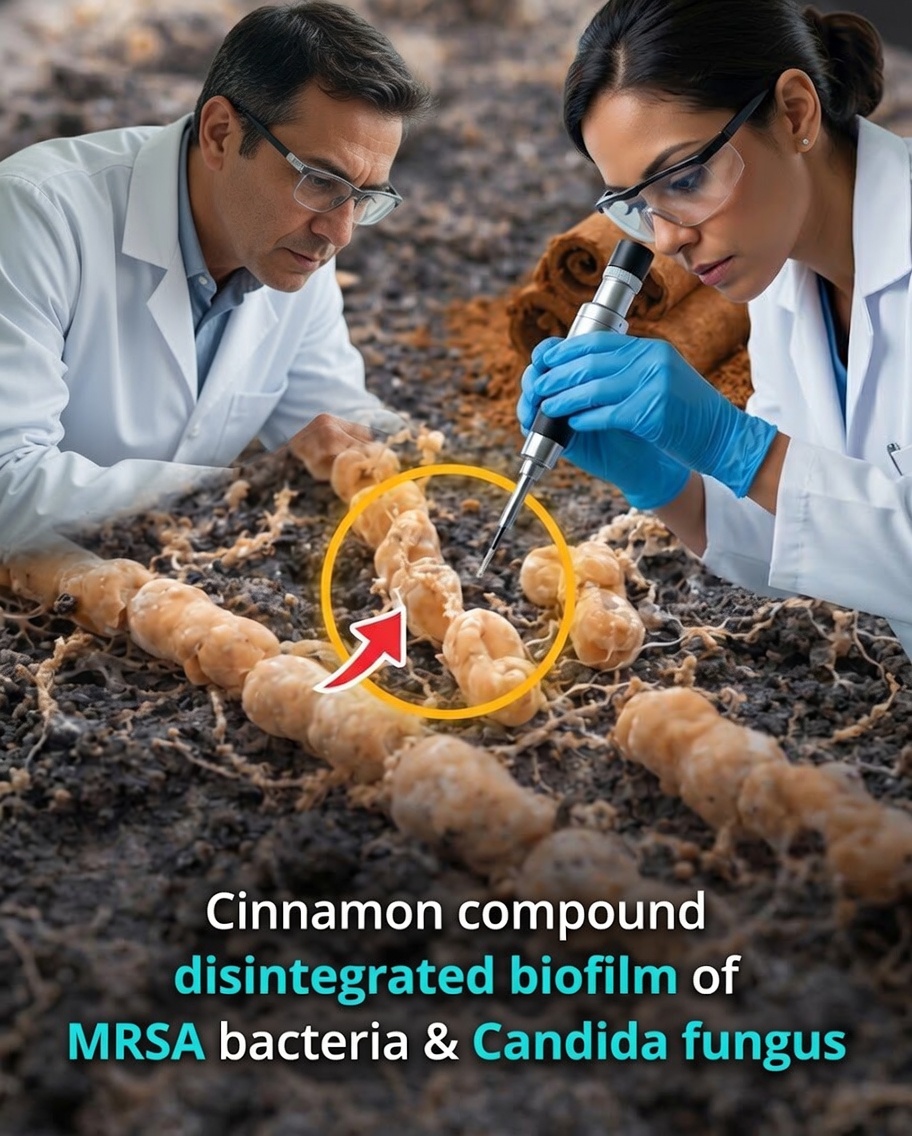
Biofilms are structured clusters of microorganisms that attach to surfaces and secrete a protective layer called EPS (extracellular polymeric substances). This sticky matrix helps microbes:
- survive harsh conditions more effectively
- communicate and coordinate behavior
- resist environmental stressors
Think of it as a microscopic fortress: once established, a biofilm can be much tougher to disrupt than free-floating microbes.
Biofilms are associated with a range of challenges, including oral health concerns and skin-care complications. Studies also suggest biofilms may play a role in a large portion of microorganism-related problems, which is why scientific interest in anti-biofilm strategies keeps growing.
Cinnamon and Its Key Active Compound: Cinnamaldehyde
Cinnamon—especially Cinnamomum verum (Ceylon cinnamon) and cassia cinnamon—has been used for centuries in cooking and traditional practices. Its best-known bioactive compound is cinnamaldehyde, which gives cinnamon its distinctive aroma and has been widely examined in modern research.
Early findings suggest cinnamaldehyde may interfere with multiple stages of biofilm formation, making it a compelling candidate for natural anti-biofilm studies.
How Does Cinnamaldehyde Affect Biofilms?
Laboratory research indicates cinnamaldehyde may:
- reduce the initial adhesion of microorganisms
- disrupt quorum sensing (cell-to-cell communication)
- decrease production of the protective EPS matrix
- interfere with biofilm maturation
In experimental environments, these actions can weaken the biofilm structure, potentially making microbes more vulnerable.
What About Biofilms That Are Already Established?
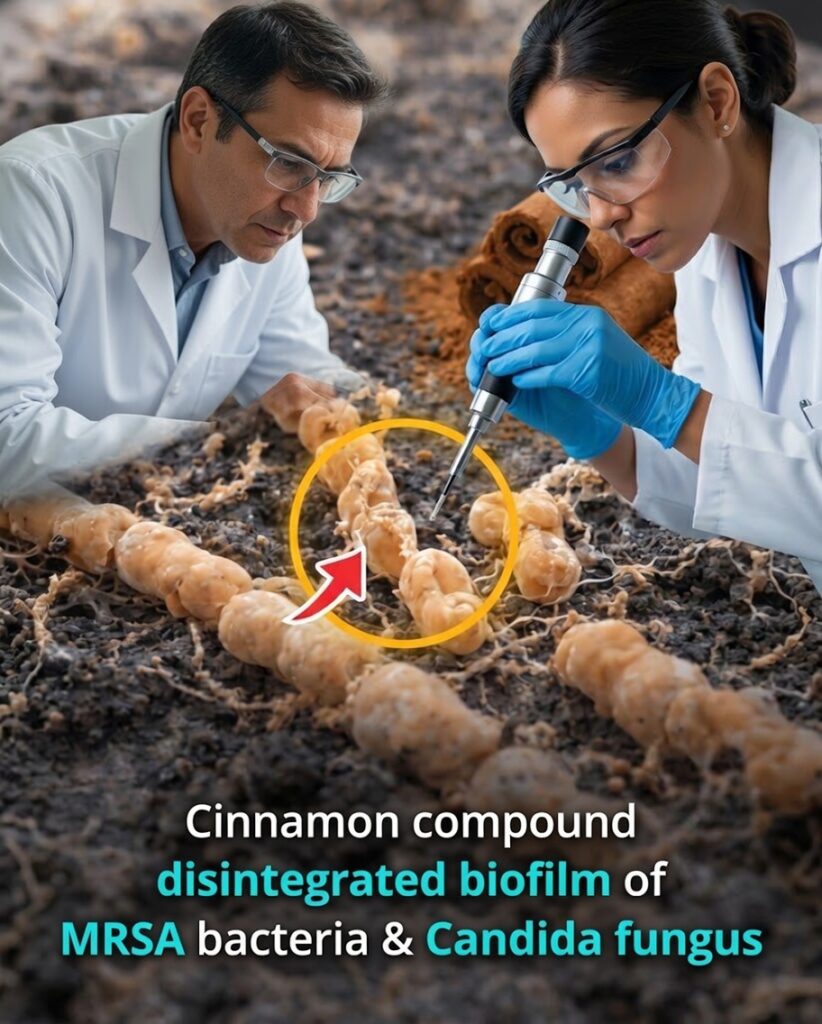
Some studies suggest cinnamaldehyde may also impact pre-formed biofilms by increasing cell permeability and damaging biofilm architecture. This has been observed in lab research involving microbes such as:
- E. coli
- Staphylococcus aureus
- fungi from the Candida genus
These results are encouraging—but it’s important to note that much of the current evidence is still early-stage and based mainly on in vitro (laboratory) testing.
Synergy, Combinations, and Emerging Technologies
Another promising direction is combining cinnamon compounds with other substances. Research has reported synergistic effects, where combined ingredients produce stronger results than either alone.
In addition, scientists are exploring tools like:
- nanoparticles
- emulsions
These technologies may improve stability and absorption of cinnamaldehyde, potentially enhancing its practical performance in future applications.
How to Use Cinnamon Safely in Daily Life
You can add cinnamon to your routine in simple, food-based ways:
- Mix ½ to 1 teaspoon into oatmeal, coffee, or yogurt
- Make cinnamon tea using 1–2 cinnamon sticks or 1 teaspoon of powder
- Choose Ceylon cinnamon for frequent use
- Avoid excessive use of cinnamon essential oil, and never use it undiluted
Important Safety Notes
- Stick to culinary amounts rather than high-dose supplementation
- If you are pregnant, have liver conditions, or take medications, consult a healthcare professional
- Essential oils require extreme caution and should only be used with appropriate guidance
What Still Needs to Be Proven?
Despite promising findings, researchers still need more human clinical studies to confirm:
- real-world effectiveness
- long-term safety
- ideal dosage and form
At present, most of the evidence comes from laboratory studies, which don’t always translate directly to outcomes in people.
Conclusion: A Simple Spice With Serious Potential
Cinnamon remains fascinating both in the kitchen and in scientific research. Its active compound, cinnamaldehyde, shows intriguing interactions with biofilms, opening the door to natural perspectives on a complex problem. While it isn’t a miracle cure, cinnamon may serve as a helpful supportive addition within a balanced, health-conscious lifestyle.
Nature often offers subtle possibilities—worth exploring carefully and responsibly.