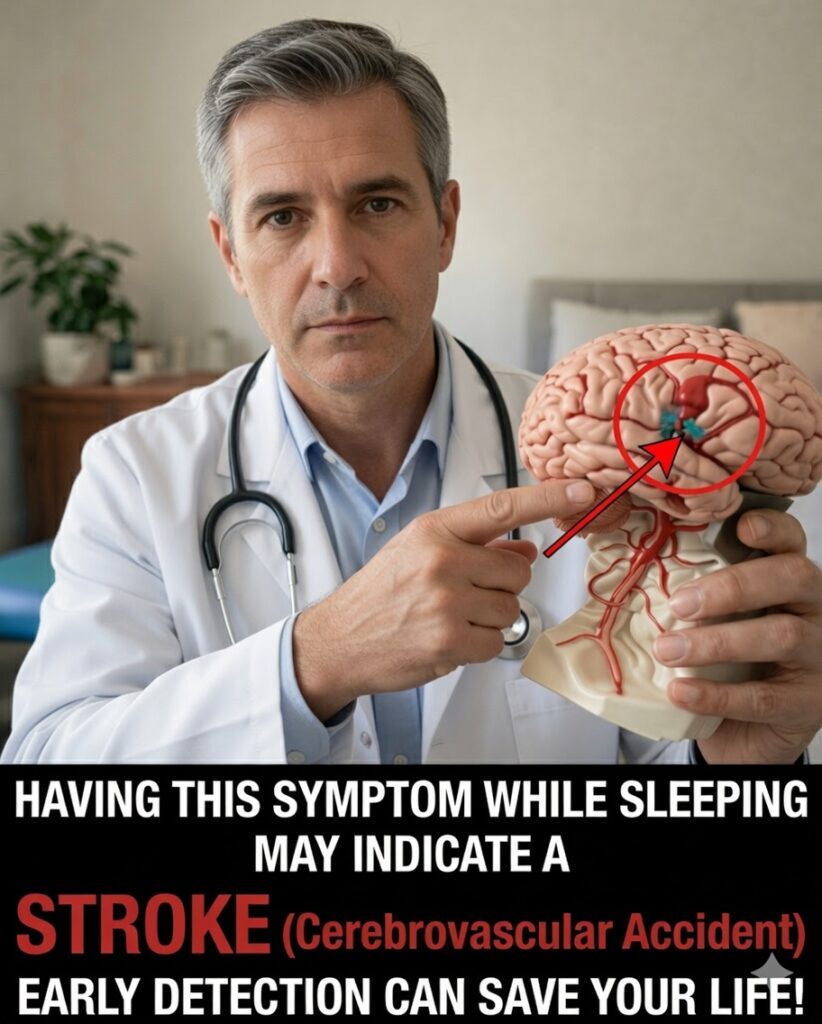
Woke Up With Numbness? Your Body Might Be Warning You — What to Do Before It’s Too Late
After a long, exhausting day, you finally lie down expecting deep rest… only to wake up with an unusual numbness on one side of your face or arm. You might blame fatigue, a bad sleeping position, or everyday stress. Yet the sensation lingers—and it doesn’t feel “normal.” What if it’s something more serious?
Subtle overnight changes can sometimes be connected to brain health, but many people dismiss them. The good news: learning to recognize key warning signs can help you take back control. And the practical steps near the end of this article can make a real difference.
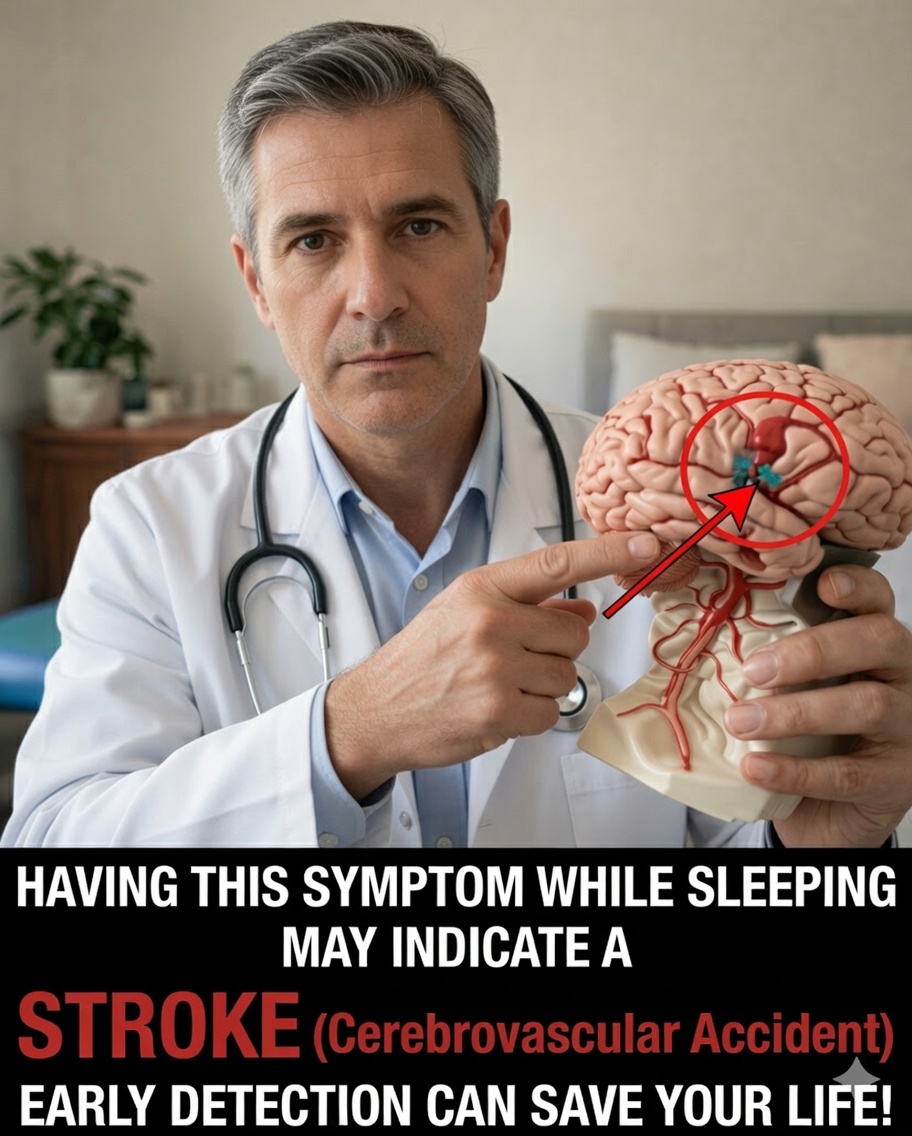
Wake-Up Strokes: What They Are and Why Sleep Matters
A stroke happens when blood flow to part of the brain is blocked (often by a clot) or when bleeding occurs. When the brain is deprived of oxygen, brain cells begin to suffer within minutes.
Here’s a surprising fact: about 25% of strokes occur during sleep. A person goes to bed feeling fine, but wakes up with weakness, slurred speech, or vision changes.
Sleep triggers natural shifts in the body—such as lower blood pressure and changes in oxygen levels—that can expose hidden vulnerabilities. It’s also the time when the brain restores itself and supports healthy circulation. When that recovery process is disrupted, symptoms may become noticeable right after waking.
Nighttime Warning Signs You Shouldn’t Ignore
Not every odd sensation means an emergency. However, certain symptoms deserve immediate attention—especially when they appear suddenly:
- Sudden numbness or weakness, particularly on one side of the body
- Trouble speaking or unusual confusion
- Vision changes, such as blurred vision or partial vision loss
- A severe headache that feels different from your usual headaches
- Dizziness, loss of balance, or poor coordination
These signs can be mistaken for poor sleep or stress. But when they are sudden, one-sided, or rapidly worsening, it’s important to treat them seriously.
The FAST Method: A Simple Guide That Can Save Lives
A quick, reliable way to spot stroke warning signs is the FAST test:
- F (Face): Does one side of the face droop when smiling?
- A (Arms): Does one arm drift down when raising both arms?
- S (Speech): Is speech slurred, confused, or hard to understand?
- T (Time): Act immediately—seek emergency help right away
FAST helps turn fear into fast, focused action—and that speed can protect the brain and save lives.
Why These Signs Often Get Overlooked
While sleeping, you’re not monitoring your body closely. Many symptoms go unnoticed until you wake up. On top of that, people often minimize nighttime discomfort, assuming it will fade on its own.
Understanding common patterns—and knowing your risk profile—can change that habit and improve your response time.
Key Stroke Risk Factors to Know
Some factors significantly raise stroke risk, including:
- High blood pressure
- Smoking
- Diabetes
- High cholesterol
- Physical inactivity and excess weight
- Heart problems
- Sleep apnea
The encouraging part: many of these risks can be reduced through consistent lifestyle choices and medical follow-up.
Practical Steps You Can Start Today
You don’t need to overhaul your life overnight. Small, steady changes add up:
- Check blood pressure, blood sugar, and cholesterol regularly
- Move more—even a daily walk supports circulation
- Choose whole foods: fruits, vegetables, and whole grains
- Improve your sleep setup: dark, quiet, comfortable
- Lower stress with deep breathing, mindfulness, or meditation
- Schedule routine health reviews with qualified professionals
These habits don’t just support stroke prevention—they can also improve energy, mood, and daily functioning.
Daily Habits for a Healthier Future
Staying connected to healthcare professionals and joining educational or prevention programs can strengthen long-term protection. Consistent small actions often produce the biggest results over time.
You’re not only reducing disease risk—you’re building a more active, resilient, and vibrant life.
Conclusion: Information Is Protection
Noticing changes when you wake up could be essential for protecting your brain. Learning the FAST method, recognizing major risk factors, and adopting healthier routines are simple steps with powerful impact.
Listen to your body. If something feels unusual or sudden, seek professional guidance—immediately when needed.
Frequently Asked Questions
-
Are symptoms during sleep always serious?
Not always. Many are caused by simple issues. But sudden or persistent changes should be evaluated. -
How can I tell normal discomfort from something dangerous?
If symptoms are sudden, one-sided, or paired with speech problems or a severe headache, treat it as urgent. -
What role does sleep play in brain health?
Quality sleep supports healthy circulation and helps regulate blood pressure. Conditions like sleep apnea should be assessed and treated.
Disclaimer: This content is for informational purposes only and does not replace medical advice. If you experience sudden symptoms, seek emergency care immediately.