Cold Feet and Bulging Veins? This Simple Habit Can Boost Your Leg Circulation in Just Days
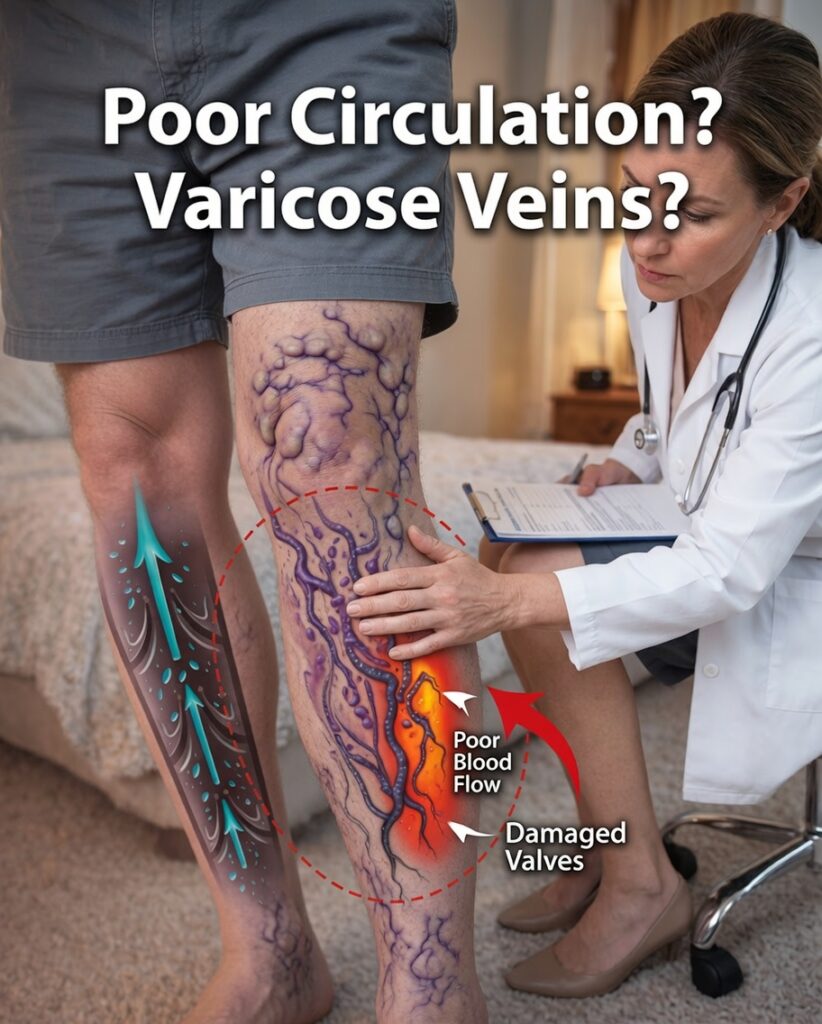
Do your feet stay cold even when the rest of your body feels warm? Have you noticed raised, visible veins on your legs that make you self-conscious in shorts or skirts? Poor circulation in the legs is more common than many people realize—especially with age, long hours sitting, or standing for extended periods. Over time, it can lead to heavy legs, fatigue, swelling, discomfort, and even cosmetic concerns like varicose veins.
The encouraging part: improving blood circulation in the legs doesn’t have to involve expensive treatments or complicated routines. A few consistent daily habits can make a real difference. And near the end, you’ll find a simple, often overlooked tip that can enhance results even more.
Why Does Leg Circulation Get Worse?
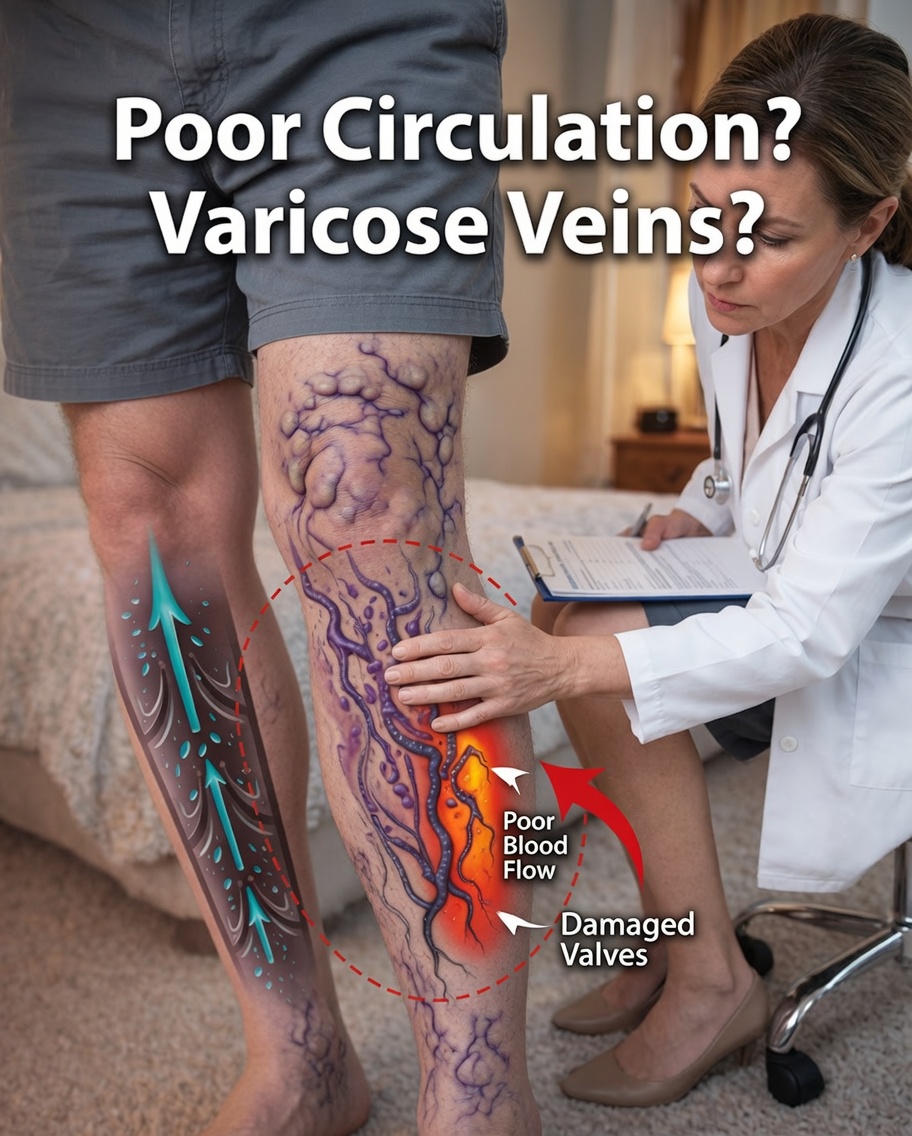
Your heart pumps blood throughout your body, but your leg veins face an extra challenge: they must push blood back upward against gravity. When vein valves weaken or leg muscles aren’t used regularly, blood can pool in the lower limbs. This may contribute to cold feet, swelling, aching, heaviness, and the development or worsening of varicose veins.
Several everyday factors can make this worse, including low physical activity, excess body weight, and not drinking enough water. The good news is that daily routines play a major role in supporting healthier circulation.
1. Move Your Body with Gentle Exercise
Movement is essential for improving circulation. When your leg muscles contract—especially the calves—they act like a pump, helping blood return to the heart.
Try activities such as:
- Daily walking: activates calf muscles and supports blood flow
- Swimming: reduces pressure on the legs while stimulating circulation
- Light cycling: strengthens the legs without excessive strain
Aim for at least 30 minutes a day. Start small if needed—consistent progress matters more than intensity.
2. Elevate Your Legs Regularly
Most of the day, your legs are positioned below your heart, which makes circulation harder. Leg elevation helps reverse that effect by making it easier for blood to flow upward.
How to do it:
- Lie down and raise your legs above heart level
- Keep them elevated for 15–20 minutes
- Repeat a few times per day if possible (use pillows or rest your legs against a wall)
This simple habit can reduce leg heaviness and may even lessen that persistent cold-feet feeling.
3. Stay Hydrated Throughout the Day
Blood is largely made of water. When you don’t drink enough, blood becomes thicker and can circulate less efficiently.
Helpful hydration habits:
- Drink about 6–8 glasses of water daily (adjust for climate and activity)
- Herbal teas (like ginger or chamomile) can also support hydration
- Limit sugary drinks, which don’t help circulation
Tip: sip water steadily across the day instead of drinking a lot at once.
4. Use Compression Socks When Needed
Compression stockings/socks provide gentle pressure to the legs, encouraging blood to move upward and reducing pooling.
They can be especially useful:
- If you sit or stand for long periods
- During travel, especially long flights
- During workdays when leg fatigue is common
Compression socks don’t “cure” circulation issues, but they often improve comfort and can support healthier blood flow. If unsure, seek guidance to choose the right compression level.
5. Eat in a Vein-Friendly Way
Your diet directly affects vein health and circulation. A smart eating pattern can support blood vessels and reduce fluid retention.
Include more:
- Fiber: oats, beans, leafy greens
- Potassium: bananas, spinach, sweet potatoes
- Antioxidants: berries, citrus fruits, onions
Try to limit excess salt, which can increase water retention and swelling.
Simple swaps:
- Instead of salty snacks → choose fruit or nuts
- Instead of processed foods → choose fresh salads and whole foods
- Instead of soda → choose water or unsweetened tea
6. Avoid Habits That Make Circulation Worse
Some routines quietly reduce healthy blood flow in the legs. Improving circulation often means removing obstacles as well as adding good habits.
Watch out for:
- Staying still too long (stand up and move every 30 minutes)
- Wearing overly tight clothing that restricts blood flow
- Smoking, which directly harms blood vessels
Small daily changes can create major long-term improvements.
Extra Tip (Highly Important)
A simple technique many people ignore: massage your legs upward, from the ankles toward the knees and thighs (toward the heart). This can stimulate blood flow—especially after you’ve elevated your legs.
Conclusion
Improving leg circulation doesn’t need to be complicated. By focusing on these core habits—gentle movement, leg elevation, hydration, compression when appropriate, smart nutrition, and avoiding circulation-draining behaviors—you may notice your legs feeling lighter, warmer, and more comfortable.
Start with a few changes, stay consistent, and pay attention to how your body responds.
Frequently Asked Questions
How long does it take to notice results?
Many people report improvements within a few weeks, especially when these habits are done daily.
Are these tips safe for everyone?
These are generally natural lifestyle habits, but anyone with health conditions should consult a qualified professional.
Can diet alone fix poor circulation?
Not entirely. The best results usually come from combining nutrition with movement and other supportive habits.
Disclaimer: This content is for informational purposes only and does not replace medical advice. Consult a healthcare professional before making changes, especially if you have pre-existing conditions.