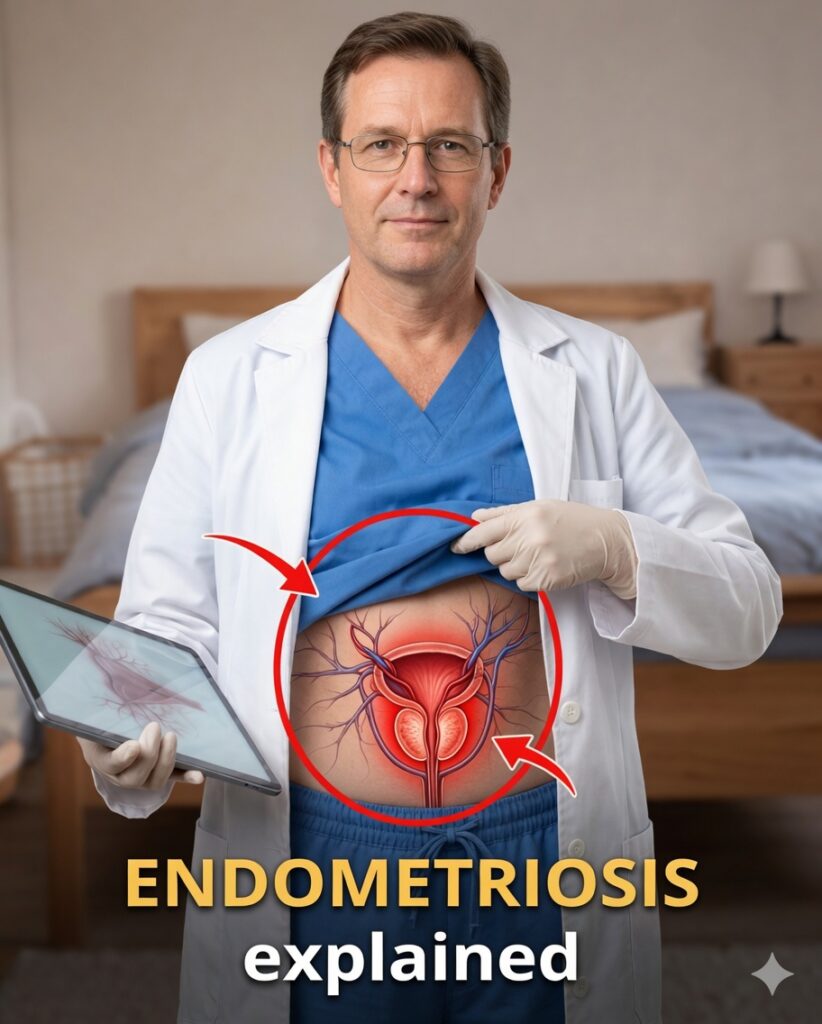
Tired of Severe Period Pain? This Natural Guide Can Be Your First Step Back to Balance
Millions of women experience month-after-month pain that goes far beyond “normal” menstrual cramps—yet many are still told to tolerate it as if it’s just part of life. When discomfort becomes constant, it can disrupt work, strain relationships, and turn everyday tasks into exhausting obstacles. Many women feel dismissed, misunderstood, or even doubted.
The encouraging news is that learning what endometriosis truly is can help you make sense of your body’s signals and explore better ways to cope. And if you read to the end, you’ll discover a surprising fact many women only learn far too late.
Understanding Endometriosis: The Basics
Endometriosis happens when tissue similar to the lining inside the uterus (the endometrium) grows outside the uterus. It may develop on the ovaries, fallopian tubes, or elsewhere in the pelvic region. Like the uterine lining, this tissue responds to monthly hormones—it thickens and then breaks down.
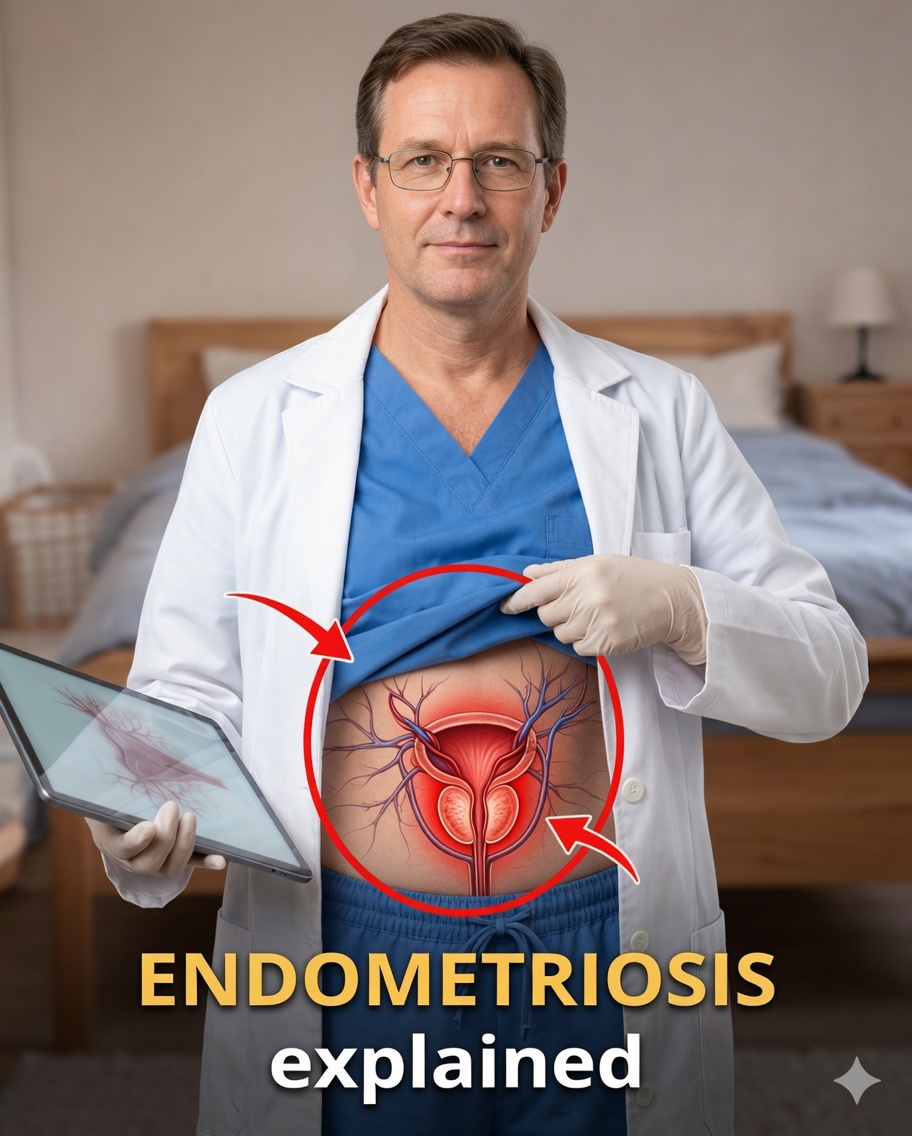
The key difference is that outside the uterus, the tissue has no natural way to leave the body. Over time, this can trigger inflammation, scarring, and persistent pain.
Symptoms often begin in the teenage years or early adulthood, but they can appear at any stage. Just as importantly, endometriosis doesn’t look the same for everyone: some women have mild symptoms, while others face significant day-to-day limitations.
Common Signs Worth Paying Attention To
Symptoms vary, but these are among the most frequently reported:
- Intense pelvic pain, especially during menstruation
- Pain that radiates into the lower back or down the legs
- Discomfort during or after sex
- Heavy bleeding or irregular periods
- Ongoing fatigue that doesn’t improve with rest
- Digestive issues that worsen around the menstrual cycle
One crucial point: pain intensity does not always match disease severity. This is one reason diagnosis is often delayed—on average, 7 to 10 years.
Why Endometriosis Can Affect More Than You Expect
Endometriosis isn’t only about periods. Chronic inflammation can influence energy levels, mood, sleep quality, and fertility. It’s estimated that around 10% of women of reproductive age live with endometriosis—far more than many people assume.
The emotional impact can be just as significant. Unpredictable pain can lead to anxiety, frustration, and self-doubt, especially when symptoms aren’t taken seriously by others.
What May Contribute to Endometriosis?
There isn’t one single confirmed cause, but several factors may play a role:
- Family history (genetic tendency)
- Hormonal factors
- Immune system response
- Possible environmental influences
Even without a definitive cause, there are practical ways to support your body and improve quality of life.
Natural Ways to Support Your Body
These strategies don’t replace medical care, but they may help reduce inflammation and improve overall well-being:
- Track symptoms daily to spot patterns and triggers
- Choose gentle movement such as walking, yoga, or swimming
- Add anti-inflammatory foods, including:
- leafy greens
- omega-3 rich fish
- berries
- nuts and seeds
- Lower stress with deep breathing, meditation, or guided relaxation
Small, steady lifestyle changes can make symptoms easier to manage over time.
When to Seek Professional Help
If pain disrupts your routine, or if your menstrual cycle changes in concerning ways, it’s important to consult a healthcare professional. Bringing a symptom log—including timing, severity, and related digestive or mood changes—can make appointments more efficient and help guide evaluation.
A Surprising Fact Many Women Don’t Know
In some cases, endometriosis symptoms may ease during pregnancy or after menopause. This doesn’t happen for everyone, but understanding these potential shifts can offer hope and help with life planning.
Just as valuable: connecting with others who understand what you’re experiencing can provide emotional support and practical coping strategies.
Simple Steps You Can Start Today
- Start a symptom journal this week
- Book a medical appointment if you’ve been postponing it
- Add one anti-inflammatory meal per day
- Set aside 10 minutes daily to decompress and reset
- Write down questions before your next appointment
Consistent small actions can lead to meaningful change over time.
Final Thoughts
Endometriosis is complex—but knowledge is powerful. The more you understand your body, the more confidently you can make decisions, seek appropriate care, and feel less alone in the process. Every experience is unique, and listening to your symptoms while getting informed support truly matters.
Disclaimer: This article is for informational purposes only and does not replace medical advice. Always consult a qualified healthcare professional for diagnosis and personalized care.