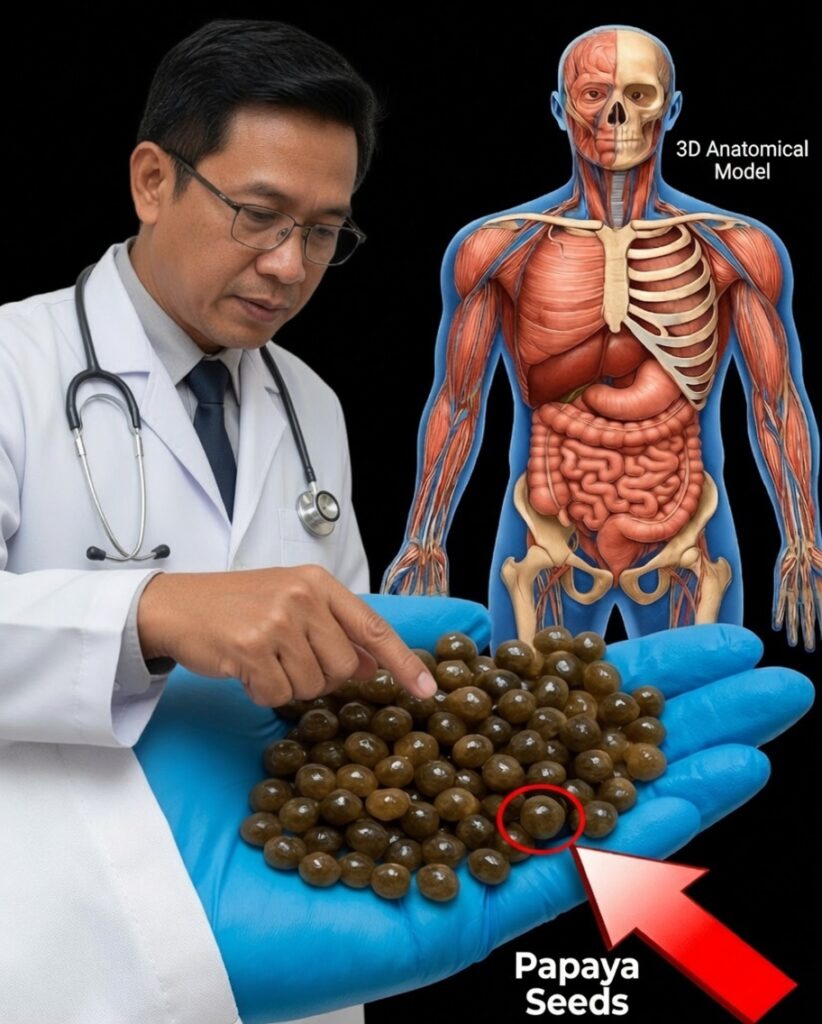
Bloating and Slow Digestion? Papaya Seeds Might Be the Natural Secret You’ve Been Throwing Away
Every year, millions of people spend significant money on products for digestion, liver support, and overall wellness. But what if part of the answer has been sitting in your kitchen all along—only to be discarded? That’s exactly what happens with papaya seeds.
Most people enjoy the sweet flesh of papaya and toss the seeds without a second thought. However, traditional medicine and emerging research suggest these small black seeds may offer surprising wellness benefits.
Could something so simple help ease digestive discomfort, support liver function, and contribute to better internal balance? And could using what you already have reduce your reliance on pricey “wellness” products? Read on to learn why papaya seeds are drawing attention—and how to use them safely in daily life.
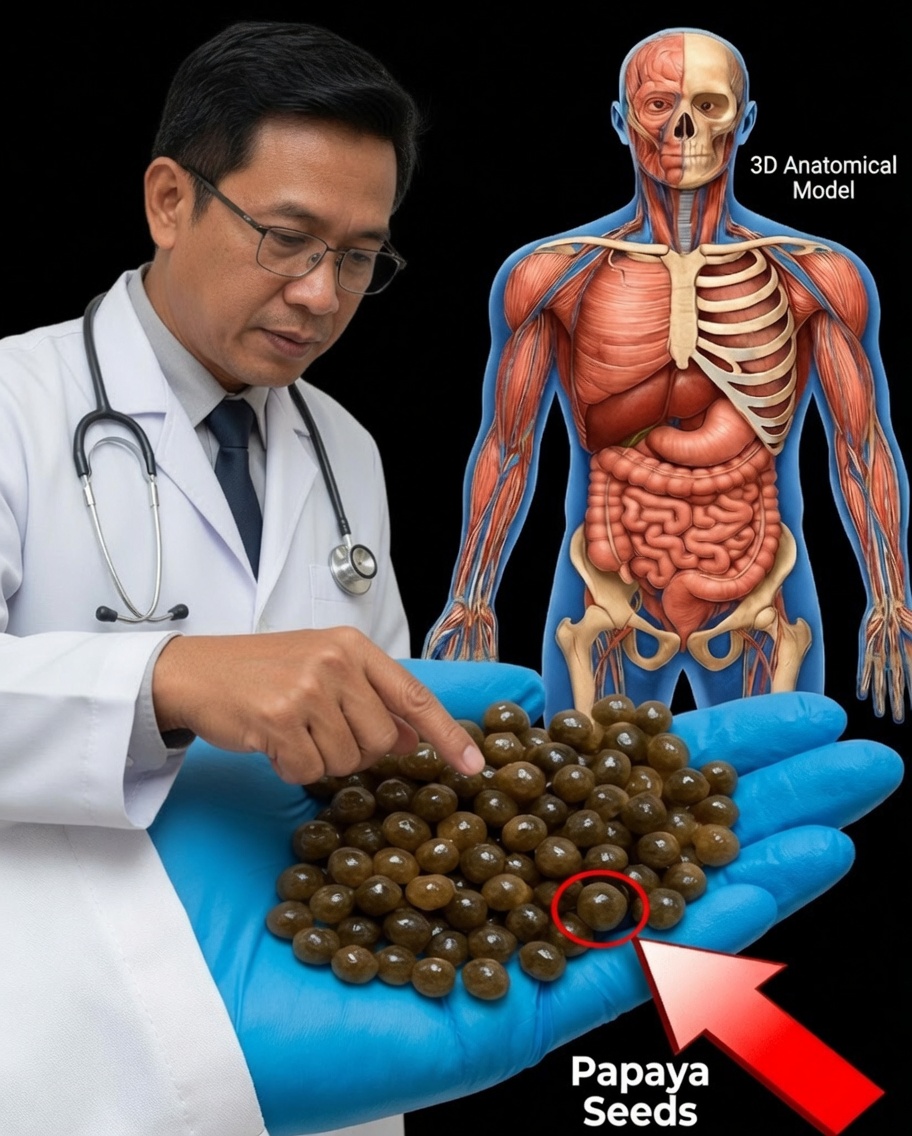
What Makes Papaya Seeds Unique?
Papaya (Carica papaya) is widely known for papain, a digestive enzyme that helps break down food. While papain is primarily associated with the fruit, the seeds contain their own set of bioactive compounds that researchers and traditional healers find interesting.
Key natural components found in papaya seeds
- Proteolytic enzymes: support protein breakdown and may promote smoother digestion.
- Alkaloids (such as carpaine): linked to potential antibacterial and antiparasitic activity.
- Polyphenols and flavonoids: antioxidants that help protect cells from oxidative stress.
- Healthy fats: especially monounsaturated fatty acids, often associated with heart health.
- Minerals: small amounts of magnesium, calcium, and phosphorus.
These characteristics help explain why papaya seeds have been used for generations across parts of Asia, Africa, and Latin America.
Traditional Uses of Papaya Seeds
For centuries, various cultures have relied on papaya seeds as a natural option for multiple health-related purposes. Common traditional uses include:
- Digestive support: small amounts used to ease bloating and stomach discomfort.
- Gut balance: traditionally taken to help manage intestinal parasites.
- Liver support: used as a way to help the body cope with toxins.
- Topical antibacterial use: crushed seeds applied externally for minor wounds or infections.
- Fertility regulation: in some traditions, used to influence reproductive health.
Not all of these practices are fully proven by modern clinical research, but they reflect long-standing cultural approaches that still persist today.
What Scientific Research Suggests So Far
Modern studies are beginning to explore whether traditional claims about papaya seeds hold up under scientific testing.
Areas being studied
- Antiparasitic potential: some studies suggest papaya seed extracts may help reduce intestinal parasites.
- Liver protection: laboratory research indicates antioxidant compounds in the seeds might help defend liver cells from toxin-related damage.
- Antimicrobial effects: lab tests have found that papaya seed extracts can inhibit the growth of certain harmful bacteria.
- Antioxidant activity: flavonoids may help limit oxidative stress, which is often linked to inflammation and chronic disease processes.
More human-based studies are still needed, but early findings are considered promising.
How to Consume Papaya Seeds Safely
If you want to try papaya seeds, the key is proper preparation and moderation. These seeds are natural, but they’re also potent.
Common ways to use papaya seeds
- Raw: chew 5–10 seeds per day.
- Dried and ground: use as a pepper-like seasoning in salads, soups, or savory dishes.
- In smoothies: blend about 1 teaspoon with fruit.
- As tea: crush a small amount, then steep in hot water for around 10 minutes.
Important Precautions
Papaya seeds may not be appropriate for everyone, especially in larger amounts.
- Start with very small quantities to assess tolerance.
- Avoid excessive intake.
- Pregnant or breastfeeding women should avoid using them without professional guidance.
- Anyone with liver or kidney conditions should consult a healthcare professional first.
- Papaya seeds may interact with certain medications, especially blood thinners (anticoagulants).
Lifestyle Habits That Can Enhance the Benefits
Papaya seeds work best as part of a bigger picture—supportive daily habits that promote digestion and overall wellness:
- Focus on whole foods rich in fiber and antioxidants.
- Drink enough water throughout the day.
- Stay active with regular physical movement.
- Limit alcohol and ultra-processed foods.
- Keep up with routine medical checkups.
Conclusion
Papaya seeds may look like leftover waste, but they contain valuable natural compounds that could support digestion, gut health, and liver function. They are not a substitute for medical treatment, but they can be a simple, affordable, nutrient-rich addition for those interested in a more natural wellness routine.
Frequently Asked Questions
How many papaya seeds can I take per day?
A common guideline is 5–10 seeds daily, or roughly 1 teaspoon of ground seeds.
Can papaya seeds replace medication?
No. They may support wellness, but they should not replace prescribed treatments.
Can children take papaya seeds?
Only in very small amounts and with guidance from a qualified healthcare professional.
Do papaya seeds really “detox” the body?
They may support digestion and liver function, but they should not be viewed as a miracle detox solution.