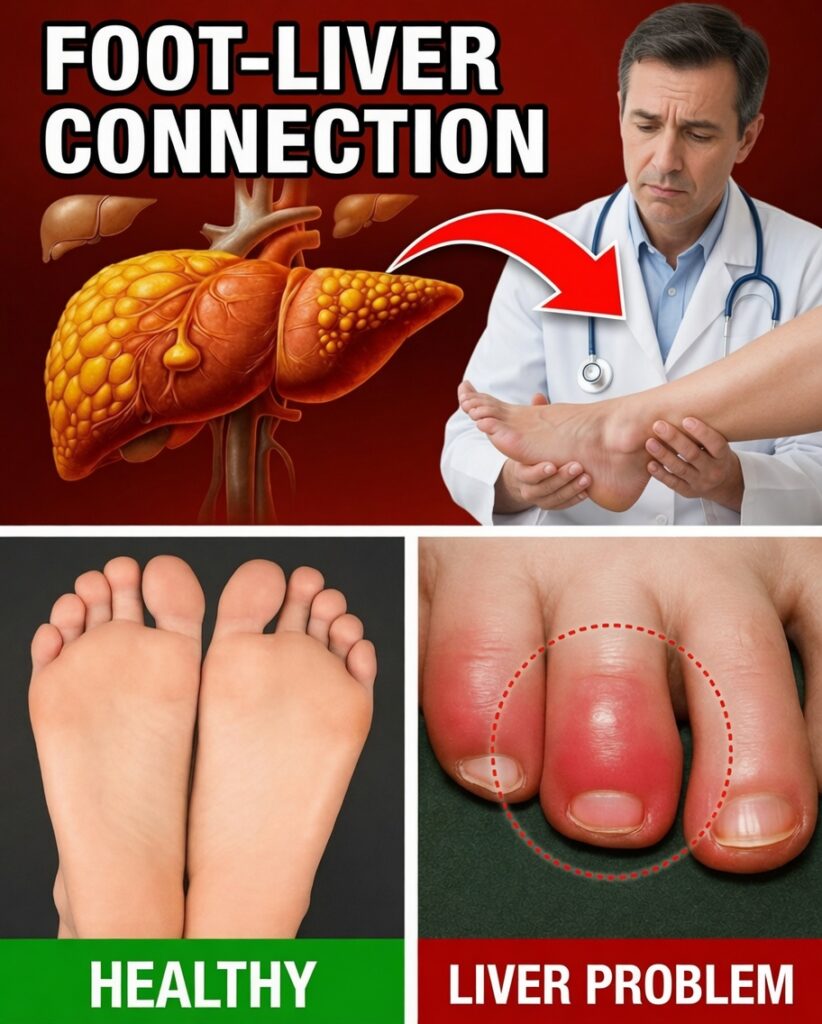
Itchy, Swollen, or Spotted Feet? Your Body May Be Asking for Help
Itching, swelling, or unusual marks on your feet can seem like minor, everyday issues. But sometimes, they’re early clues that your liver may be struggling and needs attention sooner rather than later.
Often described as the body’s “silent engine,” the liver carries out 500+ vital tasks—including filtering toxins, producing bile for digestion, and storing key nutrients. The challenge is that liver trouble doesn’t always announce itself clearly. In many cases, the first warning signs show up in surprising places—including your feet.
Changes such as swelling, persistent itching, skin discoloration, or nail abnormalities may be easy to dismiss. Yet, in certain situations, they can reflect liver overload, impaired detoxification, or circulation and hormone changes linked to liver dysfunction. Ignoring these hints can allow a quiet problem to progress unnoticed.
In this article, you’ll learn 12 foot-related signs that may be connected to liver health, what they could mean, and how to better protect this essential organ.
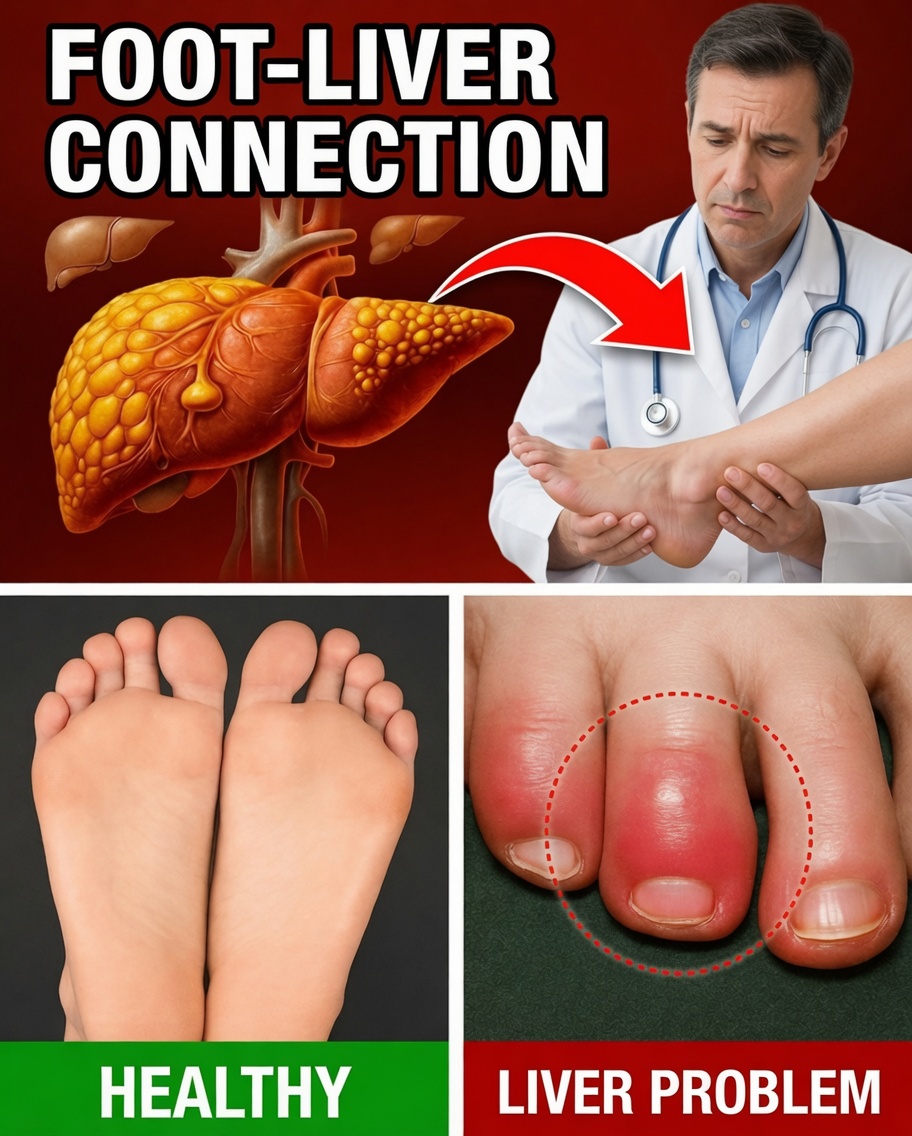
Why Liver Problems Can Show Up in the Feet
Even though your liver and feet seem unrelated, they’re closely connected through blood circulation, metabolism, inflammation, and detox processes.
When the liver isn’t working properly:
- Toxins may build up in the bloodstream
- Circulation can become less efficient
- Inflammation and fluid balance may be disrupted
- Hormone regulation may change
Because the feet are among the body parts farthest from the heart, circulatory and fluid-related changes often become noticeable there first. Issues like fluid retention, nerve irritation, or poor blood flow can present in the feet and act as an early warning that something is off internally.
12 Foot Signs That May Be Linked to Liver Health
1. Swollen ankles and feet (edema)
Fluid retention can occur when the liver doesn’t produce enough proteins (such as albumin), allowing fluid to leak into surrounding tissues and collect in the lower legs and feet.
2. Intense itching in the feet
When bile components accumulate in the blood due to liver or bile-flow problems, they can trigger persistent itching—often felt most strongly in the palms and soles.
3. Visible “spider-like” blood vessels
Small, web-like vessels may appear around the feet or ankles. These can be associated with circulatory and hormonal changes that sometimes accompany liver conditions.
4. Toenail changes
Toenails that become yellow, brittle, thickened, or misshapen may reflect metabolic strain or infections that can become more common when the body is under stress and liver function is compromised.
5. Redness on the soles (and sometimes palms)
Unusual redness can be connected to hormonal shifts seen in certain liver disorders.
6. Feet that feel cold all the time
Reduced circulation—sometimes linked to chronic liver issues—can make the feet feel cold even in warmer environments.
7. Tingling or numbness
When toxins build up in the blood, nerves can be affected, leading to pins-and-needles sensations, burning, or reduced sensitivity in the feet.
8. Frequent cramps in the feet or legs
Mineral and electrolyte imbalances associated with impaired liver function may contribute to recurring muscle cramps.
9. Easy bruising on the feet
If the liver can’t produce enough clotting factors, even minor bumps may cause noticeable bruises or purple marks.
10. Heavy, tired feet
A constant sensation of fatigue or “heaviness” in the legs and feet can be tied to sluggish circulation and reduced overall metabolic efficiency.
11. Dark patches or discoloration on the skin
Hormonal and metabolic changes related to liver function can contribute to hyperpigmentation in certain areas, including the feet or ankles.
12. Persistent toenail fungus that won’t go away
When immune defenses are weakened, fungal infections may become harder to clear and more likely to persist or return.
How to Protect Your Liver Health
Even if the warning signs appear in your feet, liver health is strongly influenced by daily lifestyle choices.
Key habits that support liver function:
- Eat a balanced diet rich in vegetables, fruits, whole grains, and lean proteins
- Drink enough water to support natural detox pathways
- Limit alcohol intake, as excess alcohol significantly strains the liver
- Maintain a healthy weight, since excess fat can contribute to fatty liver disease
- Exercise regularly to improve circulation and metabolism
- Avoid unnecessary medications and supplements, because many are processed by the liver
When to See a Doctor
Not every foot problem is caused by the liver. However, seek medical evaluation if you notice persistent swelling, severe itching, redness, or nail changes, especially when combined with symptoms such as:
- ongoing fatigue
- yellowing of the skin or eyes
- digestive discomfort or changes
Simple blood tests can check liver enzymes and other markers to help identify possible liver-related issues early.
Conclusion
Your feet can reveal more about your internal health than you might expect. Swelling, itching, skin changes, bruising, or toenail abnormalities may be subtle signals that your liver needs attention.
Catching these signs early can help you respond in time—by improving daily habits, seeking appropriate medical care, and protecting one of the body’s most essential organs.
Listen to your body. Sometimes, the first warning signs start at your feet.