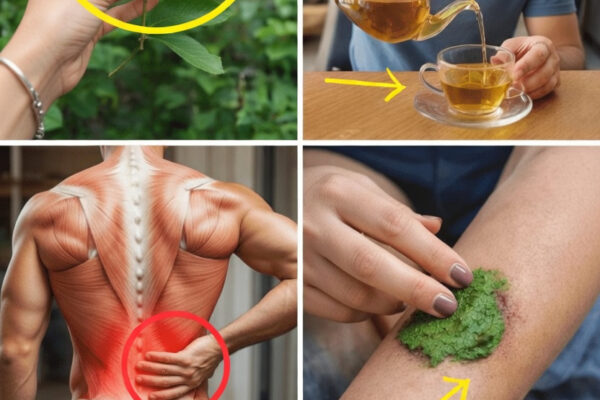
Castor Leaves (Ricinus communis): A Traditional Natural Remedy for Joint Pain, Inflammation, and Skin Comfort
In gardens across the world, many plants are overlooked—or even pulled out as “weeds.” Yet some of these ordinary-looking leaves carry remarkable value, serving as traditional home remedies passed down through generations. One standout example is the castor plant leaves (Ricinus communis).
Most people recognize castor oil, which is extracted from the seeds. What’s far less known is that castor leaves have also been used for centuries in traditional wellness practices—especially for soothing inflammation, easing aches, supporting circulation, and calming minor skin irritation.
It’s surprising to realize that a plant you might remove from your yard has long been considered “green gold” in many households across Asia, Africa, and Latin America. So what makes castor leaves special—and how can you use them safely while avoiding the risks linked to the plant’s toxic seeds?
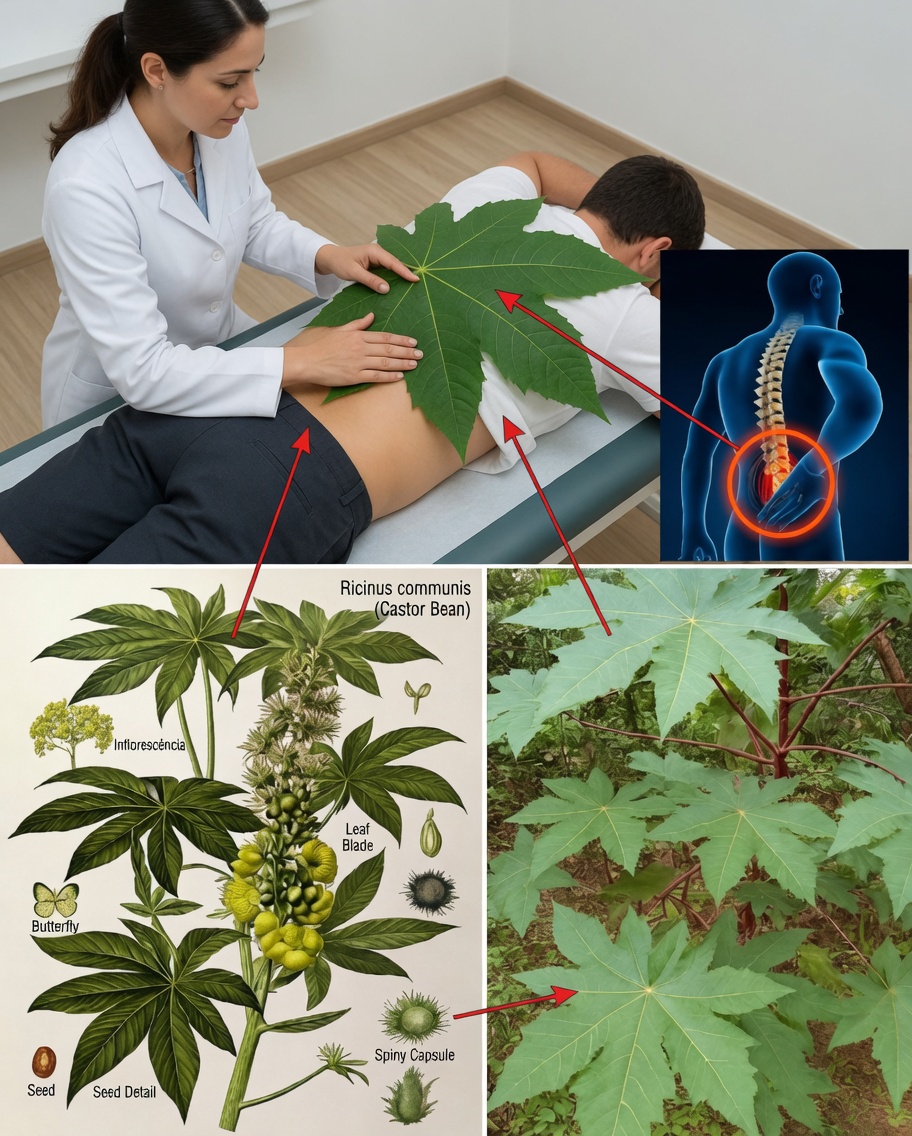
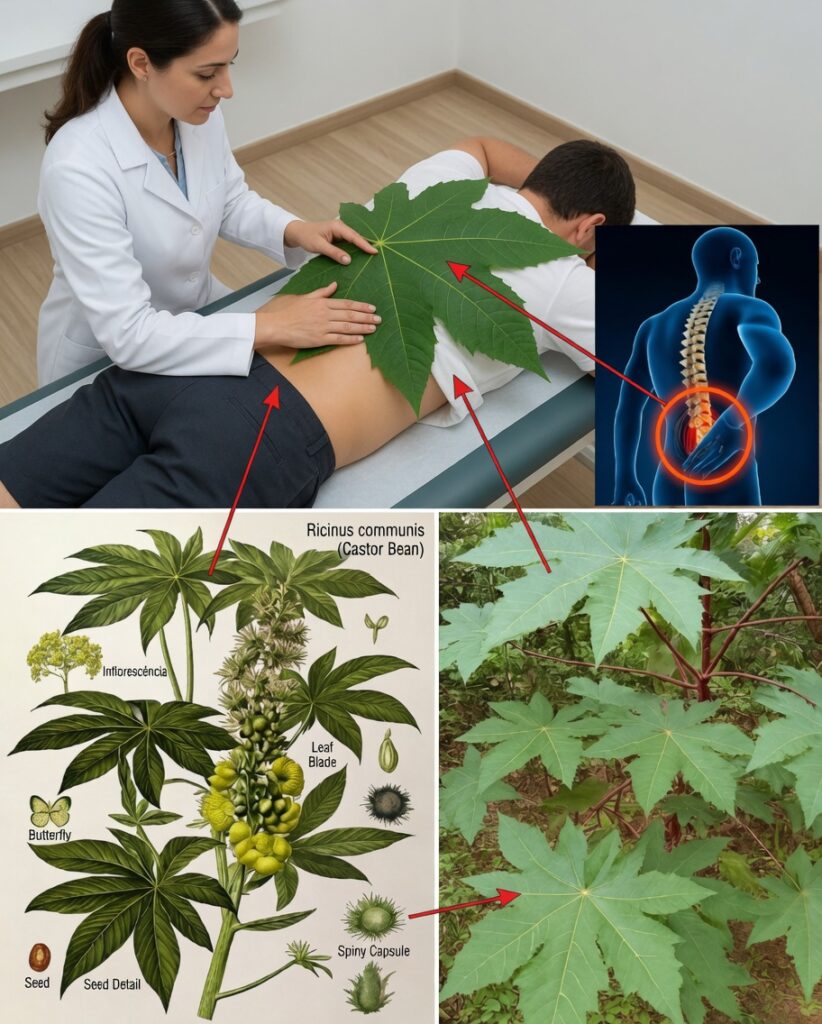
What Are Castor Leaves?
The castor plant is a fast-growing perennial shrub common in tropical and subtropical climates. While the seeds are used to produce castor oil, they also contain ricin, a highly toxic substance if mishandled. The leaves, however, are widely used in traditional remedies—especially for external applications—when prepared correctly.
Key Characteristics
- Appearance: large, star-shaped leaves in light to deep green shades
- Traditional uses: made into poultices, compresses, and teas depending on local customs
- Cultural relevance: found in Ayurveda, African folk medicine, and Latin American traditional practices
- Important note: leaves contain far less ricin than seeds and are generally considered safer for topical use
Natural Compounds and Nutritional Profile
Scientific research is still evolving, but both studies and traditional use suggest castor leaves contain plant compounds that may support wellness:
- Flavonoids and polyphenols: antioxidant compounds that may help reduce oxidative stress
- Anti-inflammatory constituents: potentially useful for joint and muscle comfort
- Alkaloids: associated with possible antimicrobial activity
- Minerals: small amounts of calcium, magnesium, and iron
These components help explain why castor leaf remedies remain popular in natural care routines today.
Potential Benefits of Castor Leaves
1) Relief for Muscle and Joint Discomfort
In traditional practice, warmed castor leaf poultices are placed on stiff joints or sore muscles. The combination of gentle heat and plant compounds may help the area feel more relaxed and comfortable.
2) Circulation Support and Swelling Comfort
In folk remedies, castor leaves are sometimes applied to swollen legs or areas affected by varicose veins, aiming to ease heaviness and improve local comfort.
3) Skin Soothing for Minor Irritations
Crushed leaves or a leaf compress may be used on insect bites, mild irritation, or minor skin discomfort, thanks to their calming traditional reputation.
4) Digestive Support (Traditional Use)
Some traditions use a small decoction of the leaves for mild constipation or abdominal discomfort. This approach should be used cautiously and in very small amounts.
5) Women’s Wellness Support (Traditional Use)
In certain cultures, warm compresses made from castor leaves are placed over the abdomen to help with menstrual cramps or to support postpartum recovery practices.
How to Use Castor Leaves Safely
Castor Leaf Poultice for Aches
- Wash several fresh leaves thoroughly.
- Warm them gently using steam or hot water (do not burn).
- Place the warm leaves over the sore area and secure with a clean cloth.
- Leave on for 20–30 minutes.
Compress for Varicose Veins or Swelling
- Lightly crush a few clean leaves to release moisture.
- Apply to the area of discomfort.
- Wrap loosely with a light bandage and rest for about 30 minutes.
Mild Leaf Tea for Digestive Discomfort (Use with Restraint)
- Use only a small amount of fresh leaves.
- Simmer in water for 5–10 minutes.
- Drink in moderation, no more than a few times per week.
Natural Skin-Calming Paste
- Crush leaves with a small amount of coconut oil.
- Apply the paste to bites or irritated spots.
- Rinse off after about 15 minutes.
Essential Safety Precautions
- Never use castor seeds at home. They contain toxic ricin.
- Use castor leaves in moderate amounts only.
- If you are pregnant or breastfeeding, consult a healthcare professional before using castor leaf preparations.
- Always do a patch test on a small area of skin first to check for sensitivity or irritation.
Lifestyle Habits That Can Enhance the Benefits
- Prioritize anti-inflammatory foods, such as leafy greens and omega-3-rich fish.
- Add gentle movement like walking or yoga to support circulation.
- Maintain good hydration and consistent sleep.
- Use natural remedies consistently, but avoid overuse.
Conclusion
Finding castor leaves in your garden may be far more valuable than it looks. Across many cultures, these leaves have served as an accessible, low-cost natural option to support joint comfort, skin soothing, and overall well-being.
They are not a replacement for medical treatment, but when used carefully and responsibly, castor leaf remedies can be a practical addition to everyday natural care.