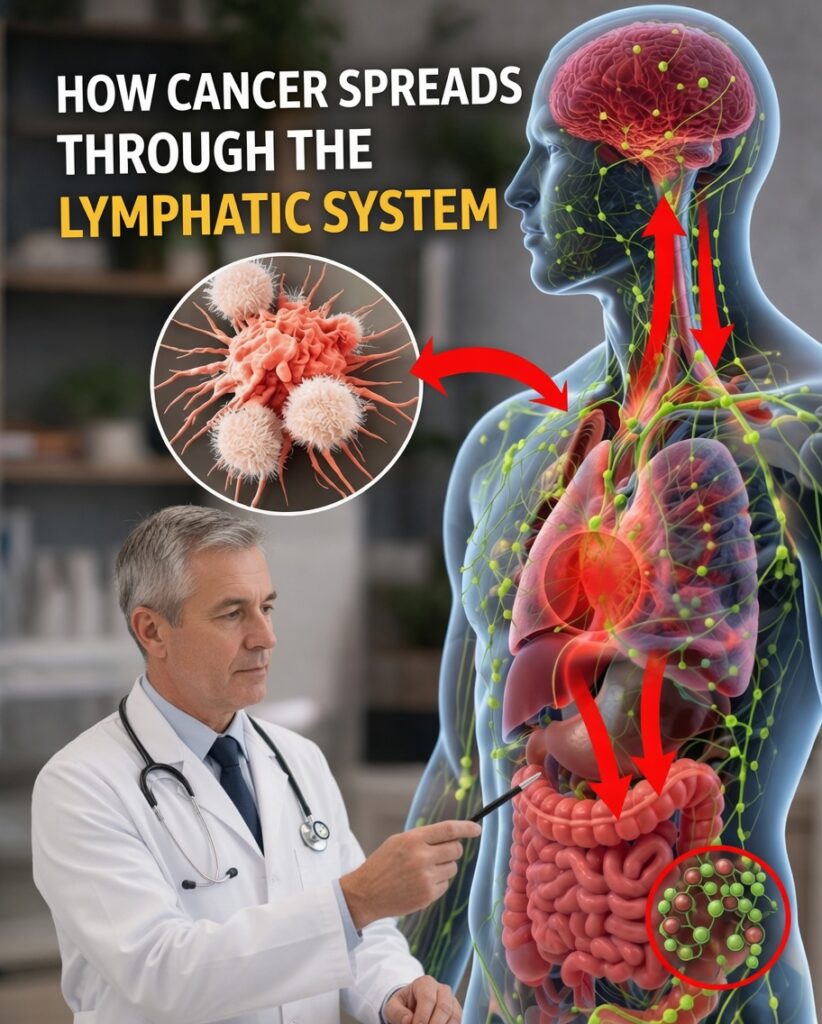
The Surprising Truth: The Lymphatic System Can Help—or Hinder—Disease Defense. Do You Know How to Support Yours?
Many people feel a quiet wave of worry when a routine checkup mentions swollen lymph nodes, or when they start paying closer attention to what those small “glands” mean for overall health. That concern can grow when you learn that something so normal and widespread in the body may be involved in a complex process like cancer progression.
The lymphatic system is vital for fluid balance and immune protection. Yet, in certain situations, the same network that helps defend you can also become a route that cancer cells may use to spread—a topic still under intense scientific investigation.
One key takeaway: understanding this connection can reveal unexpected details about how the body itself can influence disease behavior—and why staying informed about your health truly matters.
Understanding the Lymphatic System: The Body’s Quiet Guardian
The lymphatic system is an extensive network made up of lymph vessels, lymph nodes, and related organs that operates mostly behind the scenes. Its core jobs include:
- Collecting excess fluid from tissues
- Filtering that fluid through lymph nodes
- Returning the fluid to the bloodstream
Along the way, immune cells—especially lymphocytes—scan for potential threats such as bacteria, viruses, and abnormal cells.
Think of lymph nodes as security checkpoints: they trap and evaluate suspicious material. When everything works smoothly, this system supports immune defense and helps clear cellular waste.
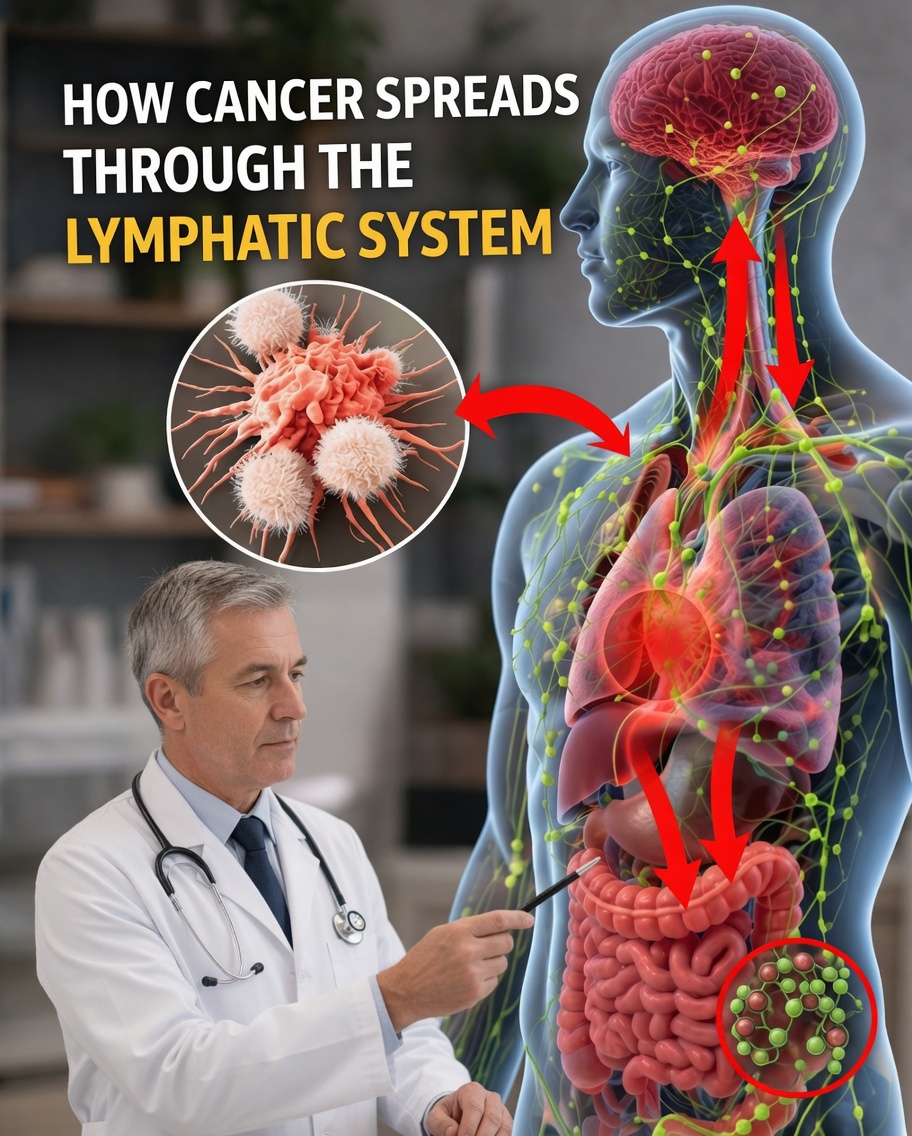
However, in some cancers, these same pathways can become channels for tumor cell dissemination. Research shows that many solid tumors—including breast cancer, melanoma (skin cancer), and cancers of the head and neck—often involve nearby lymph nodes early in the disease course.
How Cancer Cells Interact With the Lymphatic System
Cancer progression depends on a tumor’s ability to break away from its original site and move elsewhere. One common route is through the lymphatic vessels.
Studies suggest several mechanisms may be involved:
- Tumor cells can release signaling substances such as VEGF-C and VEGF-D, encouraging the growth of new lymphatic vessels (a process called lymphangiogenesis).
- These newly formed vessels can make it easier for cancer cells to enter the lymphatic network.
- Cells can travel with lymph fluid to nearby lymph nodes, including the sentinel lymph node (the first node that typically receives drainage from the tumor area).
Importantly, this is not always a passive process. Evidence indicates that tumor cells may reshape the local environment to improve their chances of survival.
Recent findings also show that once cancer cells reach lymph nodes, they are not necessarily eliminated. In some cases, they may alter the local immune environment, reducing immune activity and potentially enabling later spread.
The Typical Pathway: From Tumor to Lymph Nodes
While every patient’s situation is different, cancer spread through the lymphatic system often follows a pattern such as:
- Local tumor changes — increased growth of lymphatic vessels around the tumor
- Entry into lymphatic vessels — tumor cells invade these channels
- Transport to regional lymph nodes — movement carried by lymph fluid
- Survival inside lymph nodes — adaptation to immune conditions
- Further dissemination — possible spread to additional areas of the body
Because of this, lymph node involvement is frequently a major factor in how clinicians assess disease progression.
Factors That May Influence Lymphatic Spread
Research highlights several elements that can affect how this process unfolds, including:
- Levels of VEGF-C/VEGF-D and other growth signals
- Interactions between tumor cells and immune system cells
- Structural changes in lymphatic vessels
- Chemical cues that guide cell movement (cell “navigation” signals)
Why Lymph Nodes Matter So Much
Finding cancer cells in lymph nodes often suggests the disease has moved beyond the original tumor site. This can directly impact:
- Cancer staging
- Treatment planning and clinical decisions
- Prognosis discussions (depending on cancer type and other factors)
Lymph nodes are also more than simple “transit stations.” They actively coordinate immune communication. Some studies suggest they may even influence how the immune system responds to cancer in other parts of the body.
How to Support Overall Lymphatic Health
No lifestyle habit can guarantee cancer prevention or control. Still, certain practices can support healthy lymphatic function and overall immune balance:
- Move your body regularly — walking, swimming, and yoga can encourage lymph flow
- Stay well-hydrated — adequate water supports fluid circulation
- Eat a balanced, nutrient-rich diet — emphasize whole foods with anti-inflammatory potential
- Use deep breathing and gentle massage — may promote lymph movement in some people
- Maintain a healthy weight — can reduce inflammation and metabolic strain
- Keep up with regular checkups — persistent or unexplained changes should be evaluated by a clinician
These steps are not medical treatment, but they can help support better overall physiological balance.
What Science Is Still Working to Understand
Researchers continue to explore how the lymphatic system affects cancer progression. Ongoing areas of study include:
- How new lymphatic vessels form around tumors
- The role of signaling molecules and exosomes
- Whether future therapies could interfere with these processes safely
One particularly interesting line of research suggests cancer cells may “reprogram” immune cells within lymph nodes, creating conditions that support tumor survival.
Conclusion: Knowledge Is Power
The lymphatic system plays a complex role in cancer—supporting the body’s defenses while, in some cases, providing a pathway for tumor spread. Understanding this relationship clarifies why lymph nodes matter so much in medical assessments and why monitoring persistent changes is important.
Staying informed helps you make more thoughtful decisions and have more productive conversations with healthcare professionals.
Frequently Asked Questions (FAQ)
-
Do swollen lymph nodes always mean cancer?
No. Most swollen lymph nodes are caused by infection or inflammation. However, swelling that persists or keeps growing should be evaluated by a healthcare professional. -
Does every cancer spread through the lymphatic system?
No. Patterns of spread vary depending on the cancer type and individual factors. -
Can I “strengthen” my lymphatic system against cancer?
There is no guaranteed method to prevent cancer through lymphatic support alone. However, healthy habits can help maintain immune and lymphatic function.
Disclaimer: This article is for informational purposes only and does not replace professional medical advice. Always consult a qualified healthcare provider for appropriate evaluation, diagnosis, and treatment.