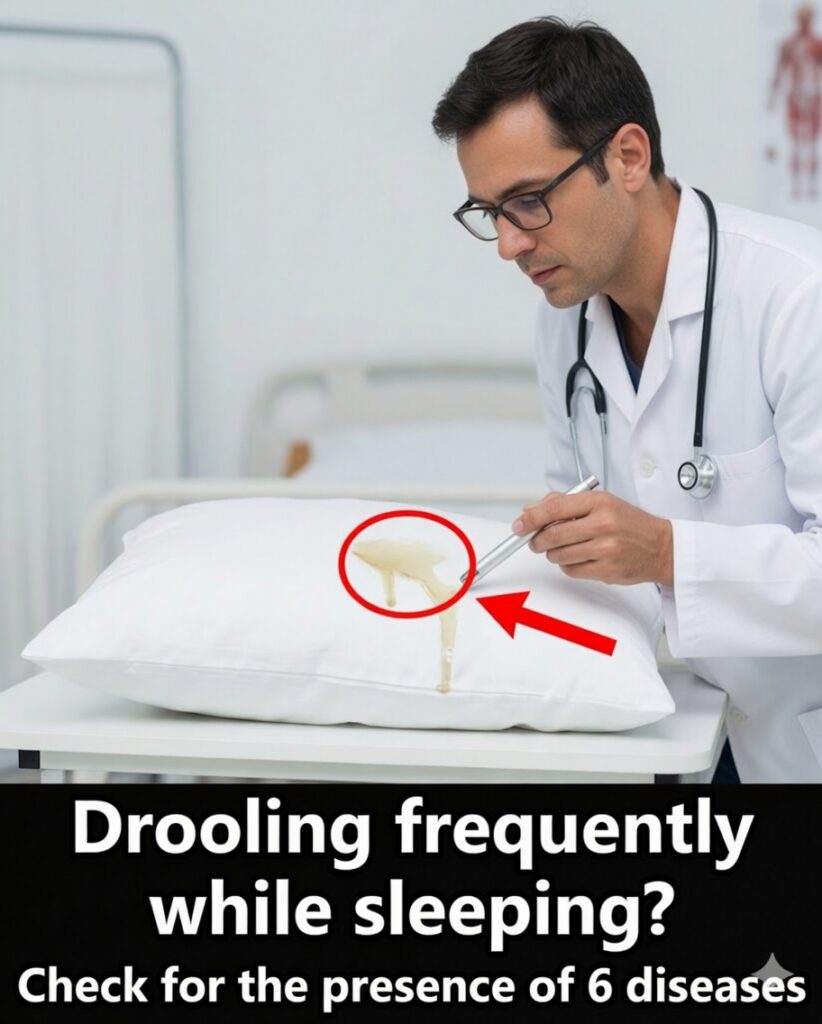
Stop Dismissing Nighttime Drooling — It Could Be the First Clue to a Hidden Issue You Can Still Improve Naturally
Waking up to a pillow damp with saliva can feel uncomfortable, inconvenient, and even embarrassing. For many people, it starts as an occasional event and slowly turns into a frequent pattern—disturbing sleep, irritating the skin, and chipping away at confidence. After 40, it’s often brushed off as “just getting older.” But is it really?
The reality is that nighttime drooling can be your body’s early warning signal. It may point to deeper imbalances involving breathing, digestion, or even the nervous system. The good news is that this is often your body asking for attention—and when you identify the root cause, you can work toward drier, more restorative nights.
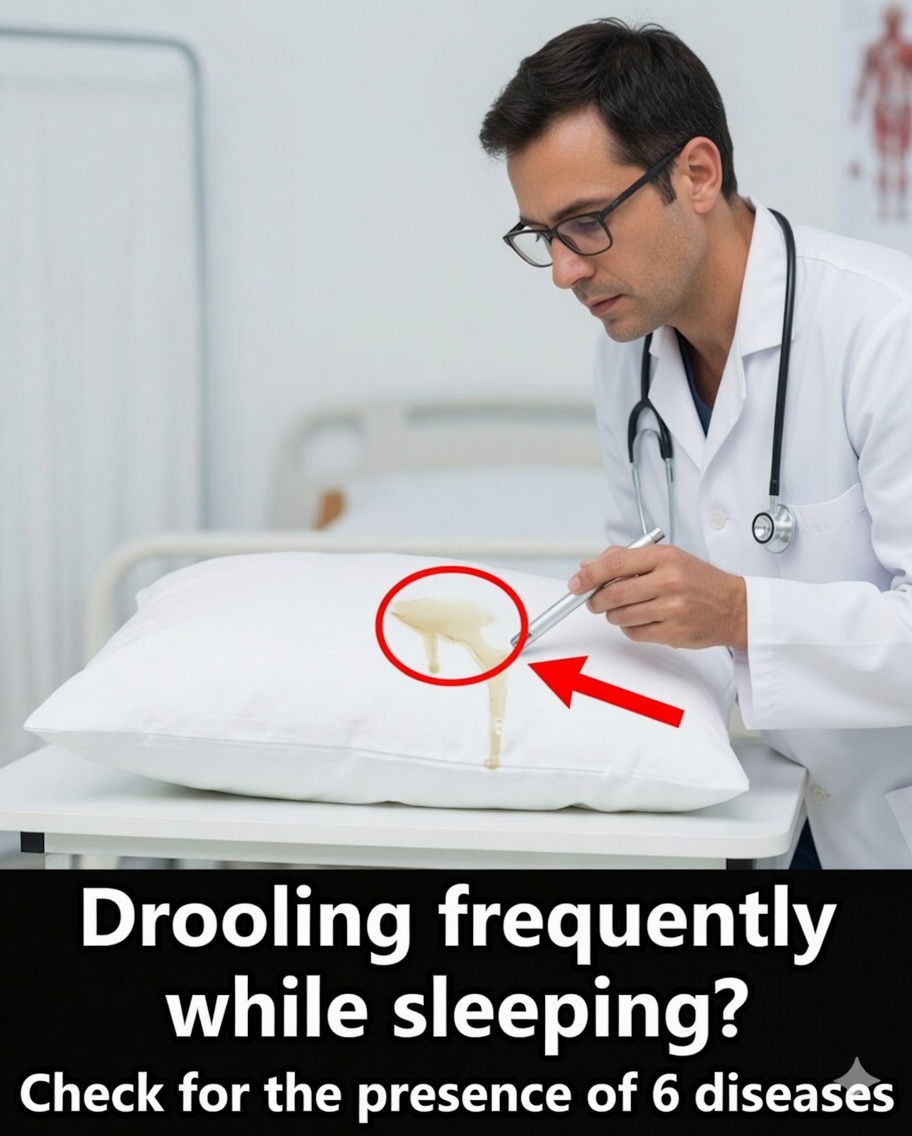
Why Night Drooling Isn’t as “Normal” as It Seems
Sleep patterns do change with age, but excessive saliva during the night is not something to automatically accept. Beyond the discomfort, persistent drooling can contribute to:
- Poor sleep quality
- Morning fatigue
- Skin irritation around the mouth or cheeks
- Added strain on other body systems when an underlying condition is present
Many people try quick fixes like switching sleep positions. While that may reduce the mess, it often only covers up the real problem instead of solving it.
What Actually Causes Excessive Salivation at Night?
Nighttime drooling—often referred to as sialorrhea—typically happens when either:
- The body produces more saliva than usual, or
- Swallowing decreases during sleep
When facial and throat muscles relax and mouth breathing becomes more common, saliva is more likely to escape.
Here are some of the most common causes of excessive drooling while sleeping:
1. Sleep Apnea
If breathing repeatedly pauses during sleep, the mouth may stay open more often—making drooling more likely. Many people with sleep apnea also report waking up exhausted, even after a full night in bed.
2. Acid Reflux (GERD)
Stomach acid can trigger extra saliva production as a protective response. One of the most effective lifestyle steps is avoiding meals too close to bedtime.
3. Dental or Jaw Alignment Issues
Misaligned teeth, jaw problems, or poorly fitted dentures can prevent the mouth from fully closing during sleep, allowing saliva to leak out.
4. Allergies or Nasal Congestion
A blocked nose forces you to breathe through your mouth—one of the biggest contributors to nighttime drooling. Saline nasal rinses may bring fast relief when congestion is the main factor.
5. Neurological Changes
Conditions that affect nerve signaling or muscle control can interfere with swallowing. If neurological symptoms are present, professional evaluation is important.
6. Infections
Throat infections or sinus infections can temporarily increase saliva production as part of the body’s immune response.
7. Gut Imbalance and Digestive Issues
Digestive problems may influence saliva production. Supporting gut health with whole foods and probiotic-rich options can be helpful for some people.
8. Medication Side Effects
Certain medications can increase salivation or relax the muscles around the mouth, making drooling more likely during sleep.
What You Can Do Today to Reduce Night Drooling
Simple, consistent adjustments often make a noticeable difference:
- Elevate your head while sleeping (about 6–8 cm)
- Stop eating at least 3 hours before bed
- Rinse the nose with saline solution to reduce mouth breathing
- Add probiotic-rich foods to support digestion
- Review your medications with a qualified professional if drooling began after a new prescription
Conclusion
Nighttime drooling isn’t something to ignore or normalize. It’s often a message from your body—and in many cases, it can improve significantly with small, targeted changes. When you address the underlying cause, you’re more likely to enjoy calmer nights and more refreshed mornings.
If the problem continues or comes with other symptoms, seeking professional guidance is essential.
Your body is always communicating—learning to listen is the first step.