Baking Soda for Wrinkles and Dark Spots: When It Actually Works (and When It Doesn’t)
A lot of people are using baking soda for skincare to improve the look of wrinkles, dark spots, and dullness—but very few explain the situations where it can truly help.
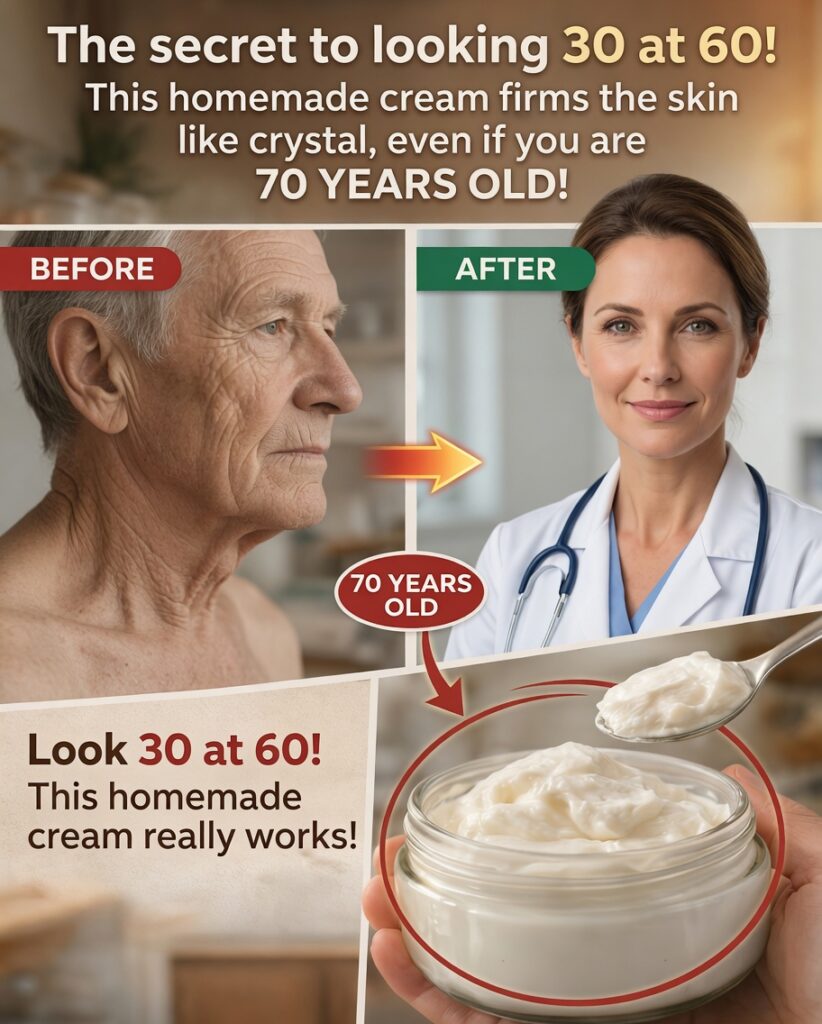
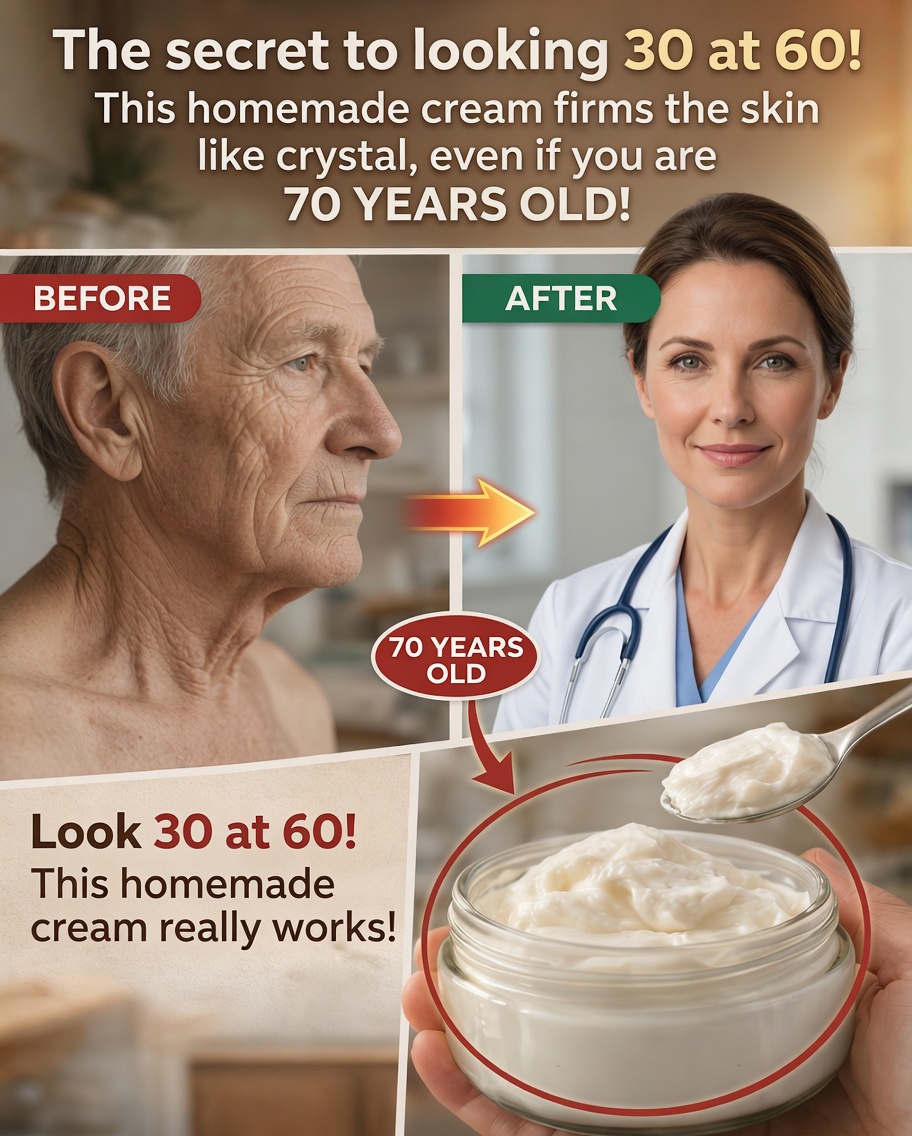
You’ve probably seen those dramatic social media “before and after” photos. In one image: deep lines, uneven tone, and tired-looking skin. In the next: a face that looks smoother, brighter, and years younger. The claim is tempting: a DIY baking soda face treatment, applied before bed, can supposedly erase signs of aging.
But does it really deliver results?
It’s understandable why so many people search for natural, low-cost remedies for aging skin concerns like fine lines, sagging, and pigmentation. Since baking soda is a common kitchen ingredient, it has become a viral trend. Still, the reality is more nuanced than the photos suggest. Keep reading to understand what baking soda can do, what it can’t—and which safer alternatives support healthier-looking skin over time.
What Baking Soda Really Does to Your Skin
Baking soda (sodium bicarbonate) is both mildly abrasive and alkaline. Healthy skin, however, naturally sits at a slightly acidic pH, which supports the skin barrier, helps retain moisture, and protects against irritants.
When used as a gentle exfoliant, baking soda can remove dead surface skin cells. That can make skin feel temporarily smoother and look a bit more radiant right after use. Some people notice a small improvement in rough texture or dullness.
Does it fade dark spots?
Any slight “brightening” usually happens because exfoliation clears away dead cells on the surface, revealing newer cells underneath. However, it does not reach the deeper layers where pigmentation often forms, so results are typically subtle and short-lived.
Does it reduce wrinkles?
Exfoliation can soften the look of fine lines by improving surface texture. But baking soda does not stimulate collagen production or restore elasticity—two key factors behind deeper wrinkles and sagging. Many viral recipes combine baking soda with moisturizing ingredients like coconut oil or honey to offset dryness and make skin feel softer.
Popular DIY Baking Soda Skincare Recipes Online
These are common variations frequently shared on social platforms:
-
Basic paste
- Mix 1–2 teaspoons of baking soda with water or aloe vera gel until it forms a paste.
- Apply for 5–10 minutes, then rinse gently.
-
Moisturizing version
- Combine 1 tablespoon baking soda, 2–3 tablespoons coconut oil, and 1 teaspoon honey.
- Massage lightly onto clean skin, leave for 5–15 minutes, then rinse.
-
Yogurt mixture
- Mix baking soda with plain yogurt.
- Yogurt contains mild lactic acid and soothing components that may help the skin feel softer.
After any exfoliation, it’s important to apply a good moisturizer and wear sunscreen the next day, since freshly exfoliated skin can become more sun-sensitive.
Potential Risks You Should Know
Even though it seems harmless, baking soda’s alkalinity can disrupt the skin’s natural pH. With frequent use, this may weaken the skin barrier and lead to:
- Dryness and tightness
- Redness or irritation
- Increased sensitivity
Over-exfoliation can also cause micro-damage, inflammation, and long-term sensitivity. If you have sensitive skin, rosacea, or eczema, this approach is best avoided.
Just as importantly, there isn’t strong scientific evidence that baking soda can reduce deep wrinkles, firm sagging skin, or permanently remove dark spots. Many viral “results” are influenced by temporary exfoliation effects, lighting changes, or filters.
Safer Alternatives for Brighter, Healthier-Looking Skin
If your goal is a natural, gradual improvement in skin tone and texture, these options are generally considered safer and more effective:
- Vitamin C: helps brighten and can reduce the appearance of dark spots over time
- Niacinamide: supports a more even tone and strengthens the skin barrier
- Hyaluronic acid: boosts hydration and can soften the look of fine lines
- Gentle exfoliants: such as lactic acid or fruit enzymes for smoother texture with less irritation risk
And one habit continues to be essential: daily sunscreen. It’s one of the most effective tools for preventing pigmentation and protecting collagen.
How to Use Baking Soda More Safely (If You Still Want to Try)
If you’re curious and choose to test it, use a cautious approach:
- Patch test on a small area first
- Limit use to 1–2 times per week
- Always mix it into a paste—never apply dry powder directly
- Moisturize well afterward
- Stop immediately if you feel burning, stinging, or irritation
A Simple Habit That Can Make a Real Difference
Often, consistent small habits outperform “miracle” DIY recipes. One simple practice is gentle facial massage for 1–2 minutes each night using clean fingertips. It may help support circulation, improve product absorption, and add a calming self-care moment to your routine.
The best skin results usually come from consistency, gentle care, and protecting the skin barrier—not harsh shortcuts.