Stronger Legs and Better Circulation After 60: Simple Exercises That Support Heart Health
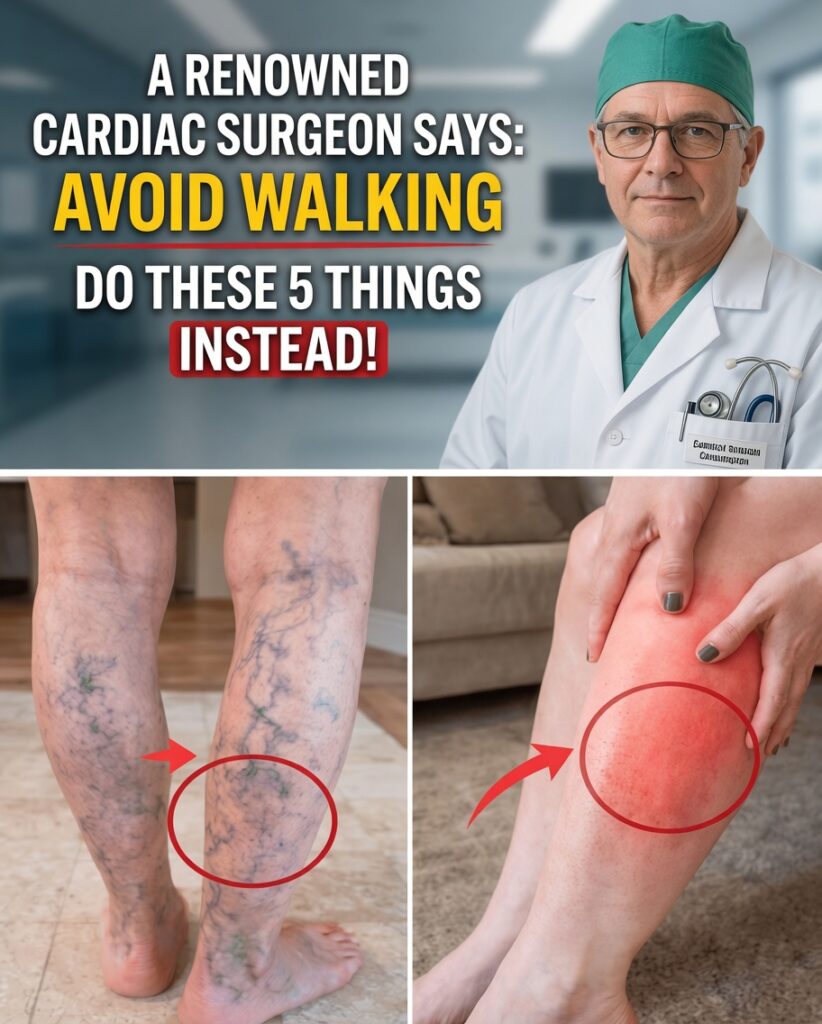
Many adults over 60 notice leg weakness, tiredness, and poor circulation. The encouraging news is that a few easy movements can help activate the legs’ natural “muscle pump”, improve blood flow, and support cardiovascular health.
After 60, walking may not feel as effortless as it once did. Joints can become stiffer, legs may fatigue sooner, and balance can feel less steady. Over time, this can reduce confidence in everyday movement. And as activity decreases, it may impact circulation, energy levels, and even heart health.
That leads to an important question: Is walking alone enough to keep the body strong and healthy in this stage of life?
Keep reading—because the answer may surprise you.
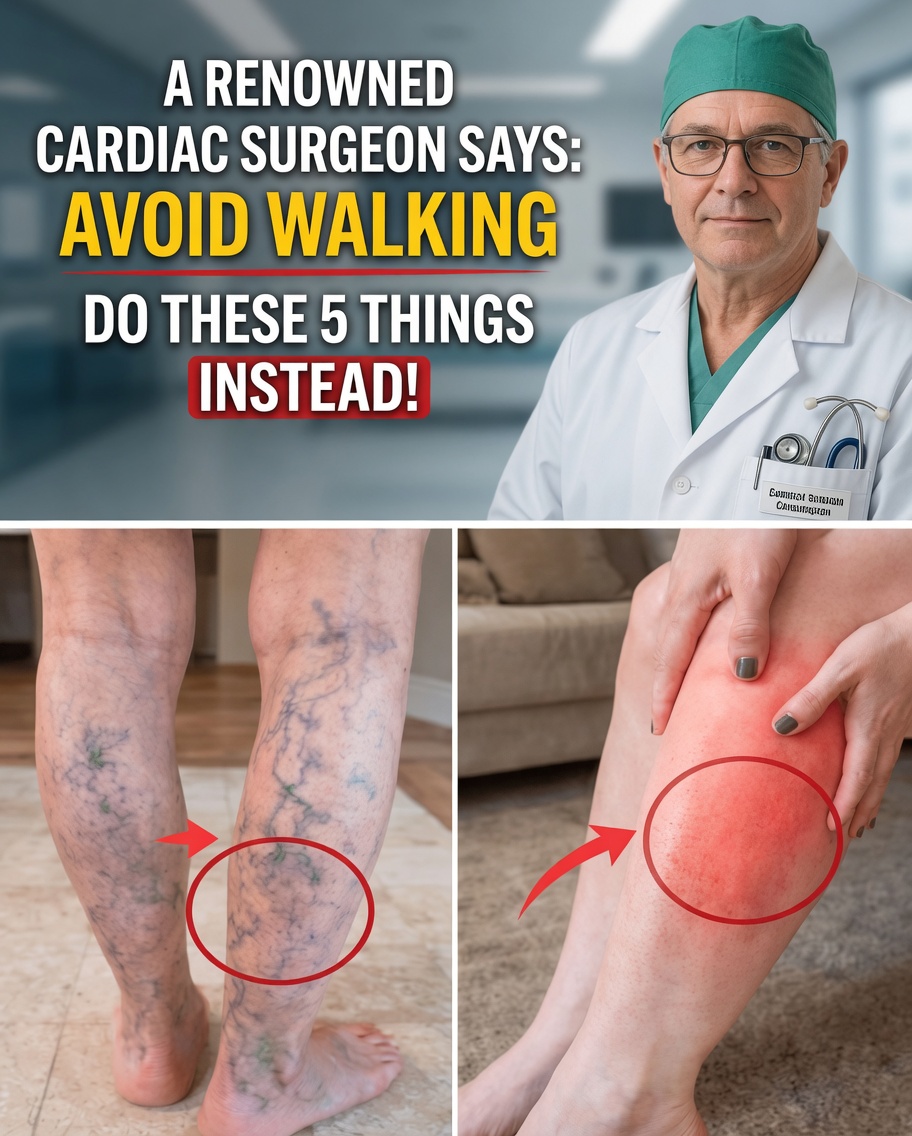
Why Walking Alone May Not Be Enough After Age 60
Walking is a fantastic habit. It’s simple, accessible, and helps keep the cardiovascular system active. However, aging naturally brings changes such as:
- Loss of muscle mass
- Lower bone density
- Gradual decline in balance and stability
Without regular strength work, muscles can weaken over the years—and that has a direct effect on circulation. The leg muscles, in particular, act like a “second heart,” helping push blood back up toward the heart. When these muscles are weak, blood flow from the legs may become less efficient, which can contribute to heavy or tired legs.
Balance matters too. Stability exercises can lower the risk of falls and make it easier to stay active with confidence.
So the best approach is not to stop walking—but to pair walking with simple strength and balance exercises.
1) Chair Squats to Strengthen Legs and Hips
This movement safely builds strength in the thighs and hips, supporting daily activities.
How to do it:
- Stand in front of a sturdy chair with feet shoulder-width apart
- Slowly lower your hips as if you’re going to sit down
- Lightly touch the chair, then stand back up
- Keep your chest lifted and knees aligned with your feet
Do: 8–10 reps for 2 sets.
This exercise helps with tasks like standing up from a chair and climbing stairs.
2) Wall Push-Ups for Upper-Body Strength
Upper-body strength supports better posture, which can also help breathing and overall movement efficiency.
How to do it:
- Face a wall and place hands at shoulder height
- Step your feet slightly back
- Bend your elbows and bring your chest toward the wall
- Press back to the starting position
Do: 10–12 reps for 2 sets.
3) Calf Raises to Improve Circulation
The calf muscles play a major role in pushing blood upward from the legs, making calf work excellent for circulation support.
How to do it:
- Stand behind a chair and hold it for balance
- Slowly rise onto the balls of your feet
- Hold for 1–2 seconds
- Lower your heels with control
Do: 12–15 reps for 2 sets.
4) Heel-to-Toe Walk to Improve Balance
This drill strengthens coordination and stability, which can reduce fall risk.
How to do it:
- Stand near a wall or sturdy support
- Place the heel of one foot directly in front of the toes of the other
- Walk forward slowly in a straight line
- Keep your eyes looking ahead (not down)
Do: 10–20 steps, rest, and repeat.
5) Seated March for a Gentle Cardio Boost
This is a great option if long walks cause discomfort but you still want a light cardiovascular stimulus.
How to do it:
- Sit tall on a sturdy chair
- Lift one knee toward your chest
- Lower it and switch legs
- Continue at a steady rhythm
Do: 30–60 seconds, gradually increasing over time.
Building a Simple Weekly Routine
You don’t need long workouts—consistency matters most. A short routine can still deliver meaningful results.
Sample weekly plan:
- Monday & Thursday: Chair squats, wall push-ups, calf raises
- Tuesday & Friday: Heel-to-toe walk, seated march
- Wednesday & weekend: Light walking or gentle stretching
Each session can take just 15–20 minutes.
Safety Tips to Get Started
- Wear comfortable, supportive shoes
- Keep a sturdy chair nearby for balance
- Start slowly and progress gradually
- Avoid holding your breath during movements
- Stop if you feel pain, dizziness, or unusual symptoms
A Benefit Many People Don’t Expect
When strength and balance exercises become part of the week, many people notice something surprising: walking starts to feel easier and more enjoyable again. With stronger muscles and improved stability, movement becomes more confident and less tiring.
Conclusion
Walking remains an excellent activity after 60. But combining walking with strength and balance exercises can deliver even greater benefits for circulation, stability, and heart health.
Small habits practiced regularly can make a powerful difference in quality of life over the years.
Important Notice
This content is for educational purposes and does not replace professional medical advice. Consult a healthcare professional before starting any new exercise program, especially if you have pre-existing health conditions.