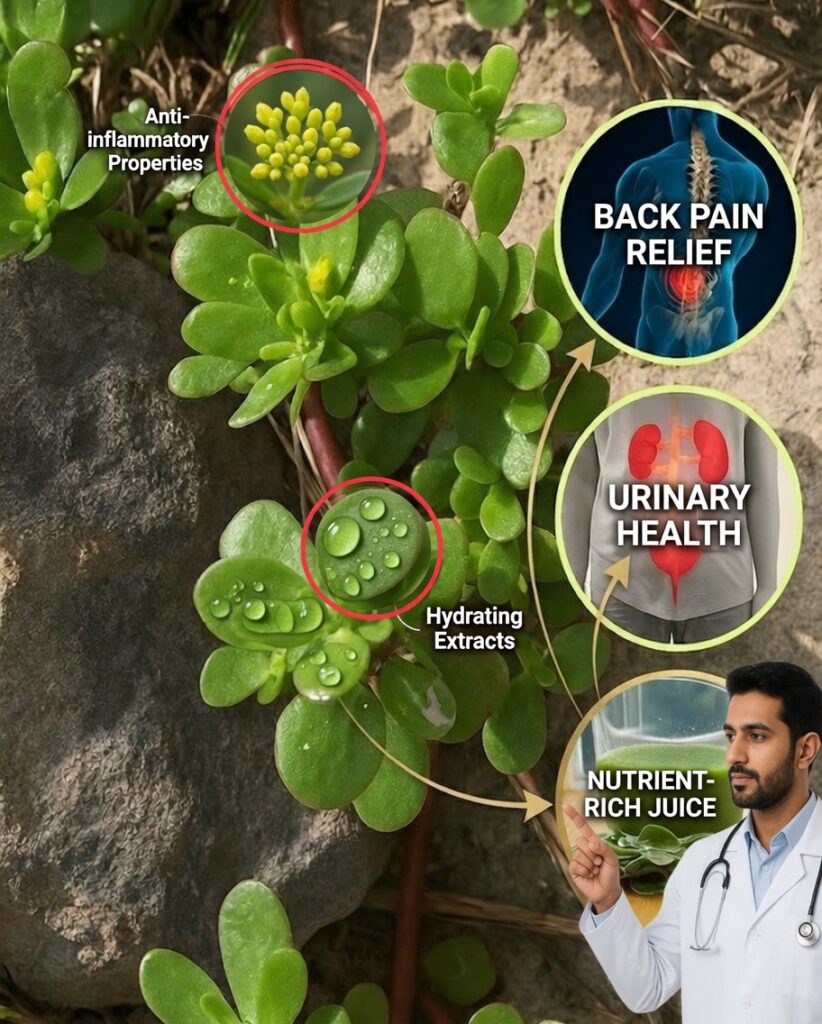
Few People Realize It: This Simple Plant Is Packed With Omega-3, Supports Heart Health, and Naturally Fights Inflammation
Many people chase expensive “superfoods” or exotic supplements to feel healthier. But what if one of the most nutrient-dense foods is quietly growing in your backyard—often mistaken for a common weed? It sounds unlikely, yet this humble plant has been valued for centuries and is now gaining global attention in natural health circles.
What Is Purslane (Portulaca oleracea)?
Purslane is an edible plant widely used in Mediterranean, Asian, and Middle Eastern cooking. It has a mildly tangy, refreshing flavor and a crisp, juicy texture. Some fans even describe its taste as surprisingly rich—occasionally claiming it’s “better than meat.”
What truly sets purslane apart, however, is its exceptional nutritional profile. Rich in omega-3s, vitamins, minerals, and antioxidants, it’s often described by nutrition-focused experts as a genuine plant-based superfood. Researchers have even explored purslane as a potential food source in challenging environments due to its resilience and high nutrient density.
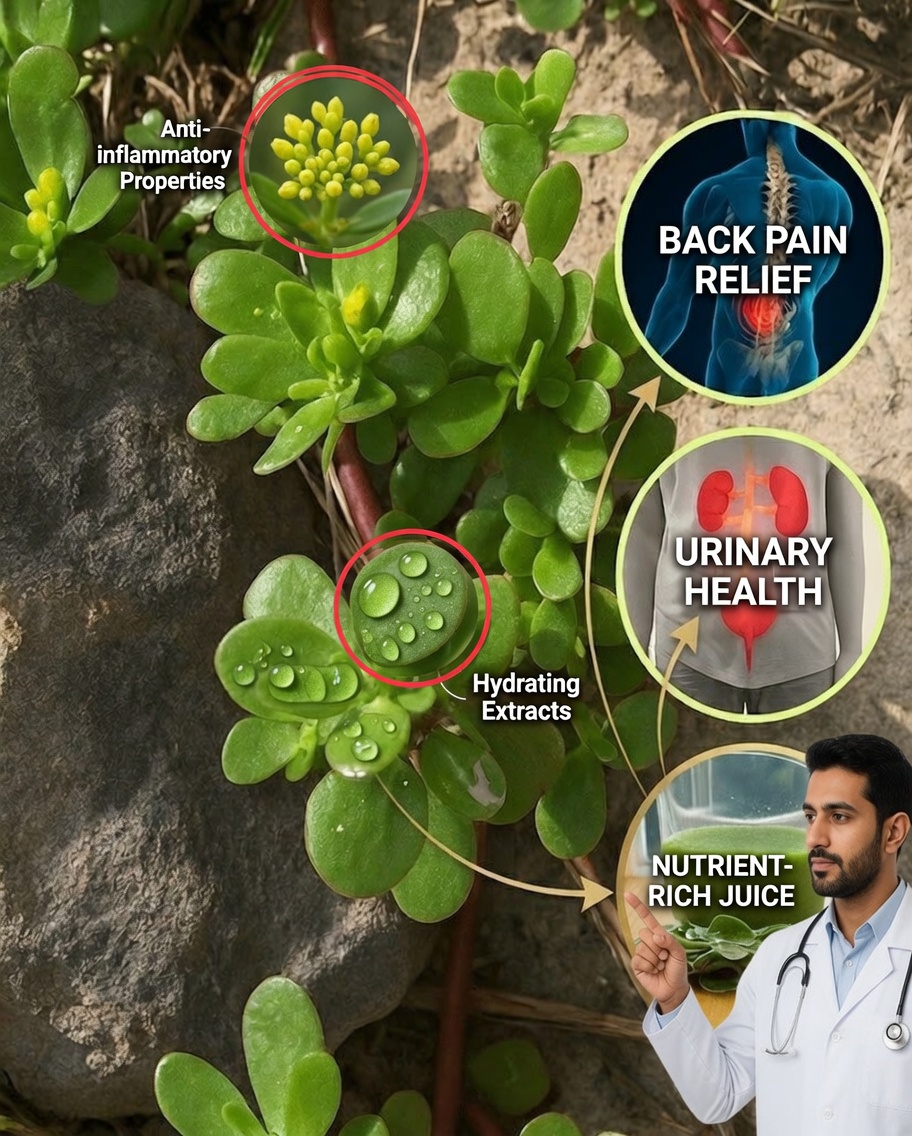
A Rare Plant-Based Source of Omega-3
When people think of omega-3, they usually think of fish. In reality, very few plants contain meaningful amounts of this essential fat—purslane is one of the rare exceptions.
Purslane is especially high in alpha-linolenic acid (ALA), a plant-based omega-3 that may help:
- Support cardiovascular (heart) health
- Reduce inflammation throughout the body
- Promote brain function, focus, and memory
For individuals following vegetarian or vegan diets, purslane can be a practical, natural way to increase omega-3 intake through whole foods.
Loaded With Essential Vitamins and Minerals
Despite its small leaves and delicate stems, purslane delivers a strong mix of nutrients that support everyday wellness. Key vitamins and minerals found in purslane include:
- Vitamin A – important for vision and healthy skin
- Vitamin C – supports immune defense and tissue repair
- Vitamin E – helps protect cells with antioxidant activity
- Magnesium and potassium – important for muscle function and heart rhythm
- Calcium – contributes to strong bones and teeth
- Iron – helps maintain healthy energy levels and oxygen transport
Adding purslane regularly can be a simple way to strengthen your diet with naturally occurring micronutrients.
Powerful Natural Antioxidants
Your body constantly encounters free radicals—unstable molecules that can contribute to cellular aging and oxidative stress. Purslane contains multiple antioxidant compounds that help defend cells and support overall health, including:
- Flavonoids
- Glutathione
- Betalains
These antioxidants are associated with cell protection, inflammation support, and may also contribute to healthier-looking skin by helping the body manage oxidative damage over time.
Supports Digestion and Hydration
One underrated advantage of purslane is its high water content, which can exceed 90% of the plant. That makes it a refreshing addition to meals—especially in warmer climates or seasons.
Purslane also provides natural fiber, which can help:
- Promote regular bowel function
- Support a balanced gut microbiome
- Ease mild digestive discomfort
Its slightly mucilaginous (gel-like) texture may also feel soothing to the digestive tract for some people.
A Natural Helper for Weight Management
If your goal is a lighter, healthier eating pattern, purslane fits well into weight-conscious meals because it offers:
- Very few calories
- A good amount of fiber
- A satisfying, filling texture
Together, these qualities can help curb hunger and support natural strategies for maintaining a healthy weight.
Benefits for Skin and Hair
Thanks to its combination of vitamins, antioxidants, and minerals, purslane may also support natural beauty from within. Its nutrients can help:
- Support collagen production
- Defend skin against environmental stress
- Calm signs of skin inflammation
- Encourage healthy hair growth
In some traditional natural medicine practices, purslane extracts have also been applied topically to help soothe minor skin irritation.
Easy to Grow and Simple to Cook With
One of purslane’s biggest advantages is how easily it grows. It adapts well to different soils, tolerates heat, and requires minimal care—one reason it often appears spontaneously in gardens.
In the kitchen, purslane is highly versatile. You can use it in:
- Fresh salads – crunchy leaves with a light lemony tang
- Soups and stews – adds texture and extra nutrients
- Quick sauté with garlic and olive oil – simple and flavorful
- Green smoothies – boosts nutrition without overpowering taste
It can also replace lettuce in sandwiches or be mixed into omelets and homemade sauces.
Practical Ways to Add Purslane to Your Diet
Try these easy ideas:
- Add a handful of purslane to your morning omelet
- Toss it into salads with tomato and cucumber
- Use it as a fresh topping for grilled meat or fish
- Blend it into green juice with apple and cucumber
When eaten consistently, purslane may provide steady benefits as part of a balanced, nutrient-rich diet.
Important Precautions
Purslane is generally safe for most people, but a few considerations matter:
- It contains oxalates, which in large amounts may contribute to kidney stone risk in sensitive individuals
- If you’ve never eaten it before, start with small portions to assess tolerance
- Pregnant individuals should consult a healthcare professional before consuming large quantities
Conclusion
Purslane is proof that some of the best health-supporting foods don’t need to be rare or expensive. Sometimes, the most valuable nutrition is growing quietly right around us.
With its plant-based omega-3s, vitamins, minerals, and antioxidants, purslane may support heart health, digestion, skin vitality, and overall well-being. It’s easy to grow, easy to prepare, and surprisingly versatile on the plate.
Nature often provides what we need—once we learn how to recognize it.