This Rare Spice May Ease Anxiety and Mood Swings Before Your Period—Here’s How It Works
If you’re in your reproductive years, you likely know the intense days before menstruation when everything feels heavier. Sudden mood swings, irritability, anxiety, or a deep sadness can make even simple tasks feel overwhelming. For around 3–5% of women, these symptoms go beyond typical PMS and meet the criteria for Premenstrual Dysphoric Disorder (PMDD), a condition that can significantly affect daily life, relationships, and performance at work.
Many people turn to conventional medications, while others look for gentler options. Interestingly, an ancient culinary spice is gaining attention in modern research for its potential role in supporting women’s mood during the premenstrual phase.
PMDD Explained: More Than “Just PMS”
PMDD typically appears during the luteal phase of the menstrual cycle (after ovulation and before the period starts). Common symptoms may include:
- Intense emotional changes (sadness, anxiety, irritability)
- Fatigue and low motivation
- Trouble concentrating
- Sleep disturbances
- Appetite changes or cravings
These symptoms are not “all in your head.” They are linked to complex interactions between hormones and brain chemistry, including neurotransmitters like serotonin. For many, this creates a draining cycle that repeats month after month.
What Research Says About Saffron for PMDD
A 2020 clinical study evaluated 120 women with PMDD. Participants were split into three groups for two weeks across two menstrual cycles:
- Fluoxetine group
- Saffron group (15 mg twice daily)
- Placebo group
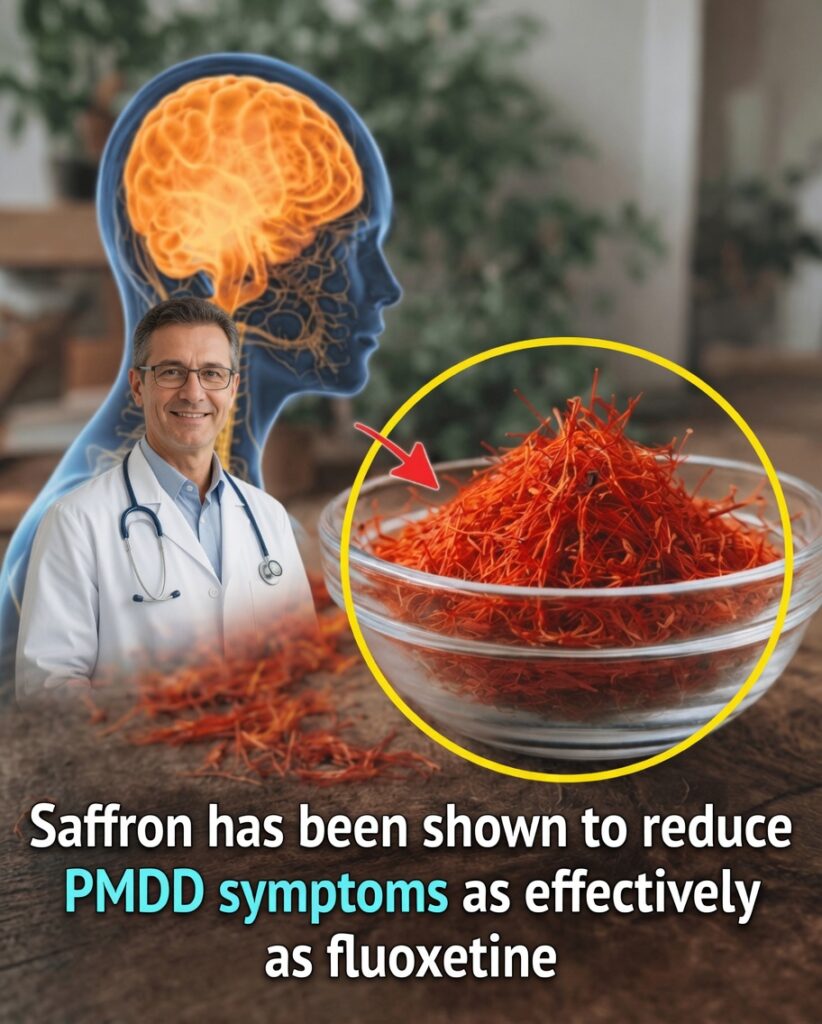
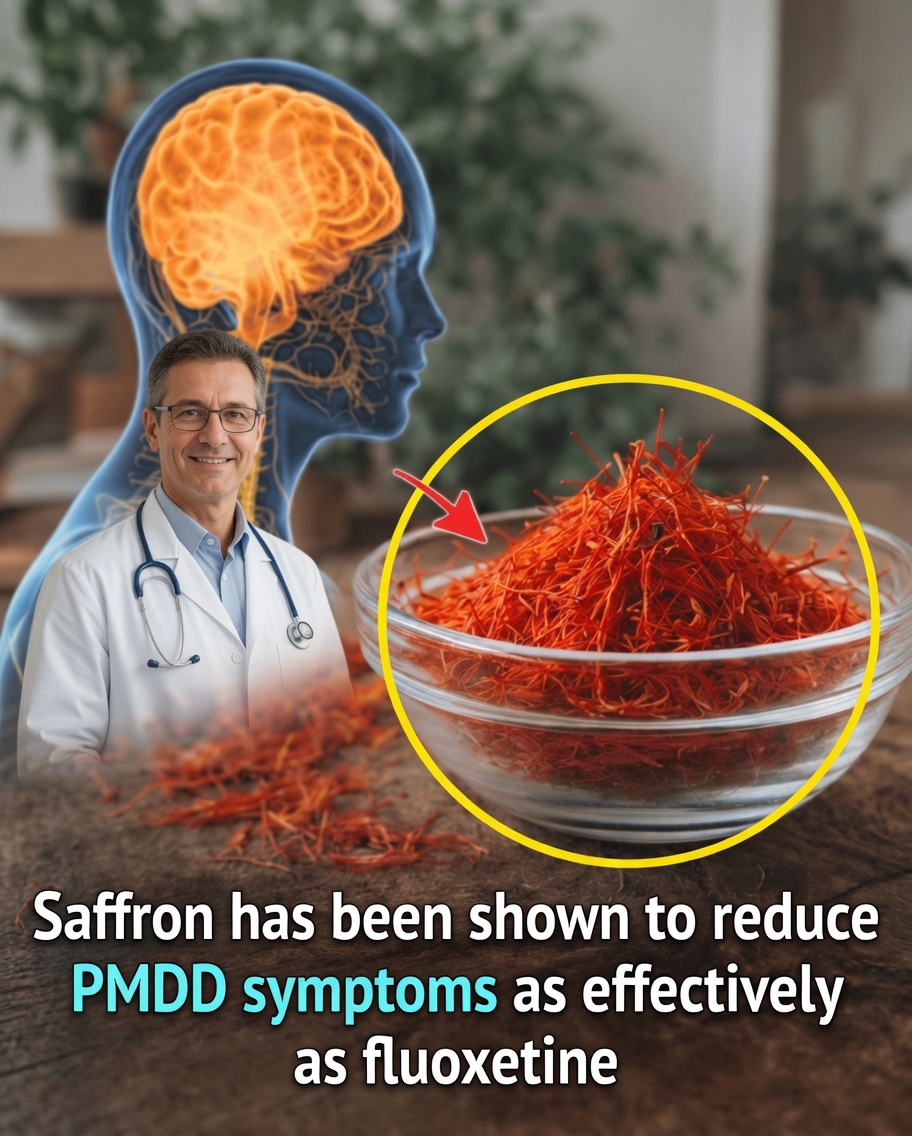
All groups showed some improvement, but saffron performed significantly better than placebo and delivered results similar to the medication in several measures—while being associated with fewer side effects.
Researchers believe saffron’s key compounds—especially crocin and safranal—may influence neurotransmitter pathways such as serotonin and dopamine, which are central to mood regulation.
How Saffron May Support Mood Before Menstruation
Saffron comes from the flower Crocus sativus and is known for antioxidant and neuroprotective properties. Current evidence suggests it may help by:
- Supporting a healthier balance of neurotransmitters involved in mood
- Reducing oxidative stress, which may increase during hormonal shifts
- Promoting emotional steadiness in the late-cycle window for some women
In the study, the tested amount was 30 mg per day (split into two doses). Some women report noticeable improvements in irritability and mood, while others experience more subtle changes.
How to Use Saffron Safely
If you’re considering saffron for PMS/PMDD symptoms, these guidelines may help:
- Choose high-quality products: Look for standardized extracts that specify crocin/safranal content.
- Time it well: Use during the luteal phase (roughly two weeks before your period).
- Typical studied dose: 15 mg twice daily, ideally with food.
- Track your response: Monitor mood, sleep, and energy across at least one full cycle.
- Pair it with supportive habits: Prioritize sleep and a nutrient-dense diet rich in magnesium, omega-3s, and B vitamins.
- Use caution: Avoid during pregnancy, and speak with a healthcare professional if you take medications or manage ongoing conditions.
A gentler option is saffron tea (a few threads steeped in hot water, optionally with honey). It can feel calming, though the dose is less precise than standardized supplements.
Lifestyle Habits That Can Enhance Results
To strengthen any PMDD support plan, consider:
- Getting 7–9 hours of sleep nightly
- Doing regular light exercise
- Cutting back on caffeine and alcohol
- Practicing breathwork, mindfulness, or meditation
- Keeping professional follow-up for persistent or severe symptoms
What This Means for You
The 2020 findings offer a useful perspective: saffron may be a promising natural support for PMDD symptoms, potentially with fewer side effects than some standard medications. It’s not a magic fix—but it may be a valuable tool within a thoughtful, personalized approach.
Every body responds differently. The most important step is to explore carefully, observe your patterns, and seek qualified guidance when needed.
Frequently Asked Questions
How long does it take to notice results?
Many people report changes within 1–2 menstrual cycles.
Is 30 mg per day safe?
Generally, this dose appears safe for healthy adults in the short term, but it’s best to confirm with a healthcare professional.
Can saffron be combined with other supplements?
Possibly, but interactions can occur—especially if you take medications that affect mood. Consult a qualified clinician before combining products.
Important Notice
This content is for informational purposes only and does not replace medical advice. Always consult a healthcare professional before starting any supplement or treatment.