Kidney Stones, an Overworked Liver, and Heavy Digestion? This Powerful Herb Could Be the Natural Option You Haven’t Tried Yet
Do you deal with kidney discomfort, sluggish digestion, or that constant “run-down” feeling? Many people jump straight to expensive medications without realizing that traditional herbal medicine has long relied on simple plants that may support the body in gentler ways.
One such herb is Quebra-Pedra, also widely known as Chanca Piedra. Used for centuries in traditional practices, it’s especially famous for supporting kidney and urinary health, while also being linked to liver protection and easier digestion. Below, you’ll learn what it is, how it may work in the body, and the most common ways people use it safely.
What Is Quebra-Pedra (Chanca Piedra)?
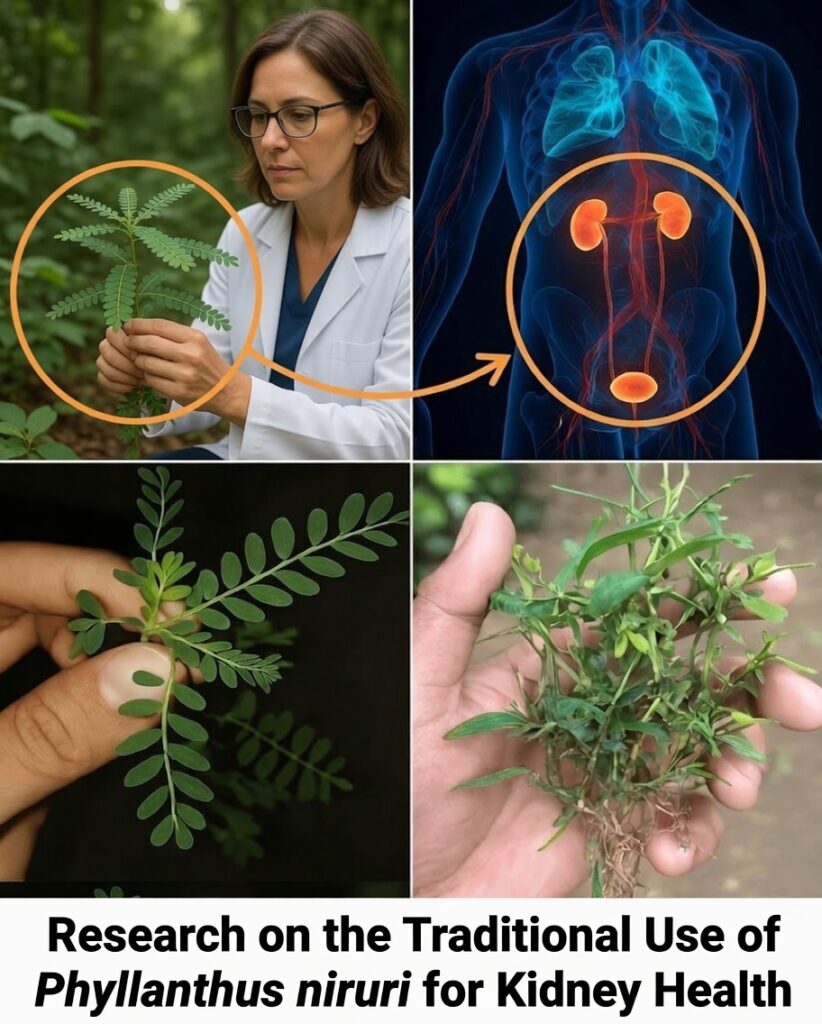
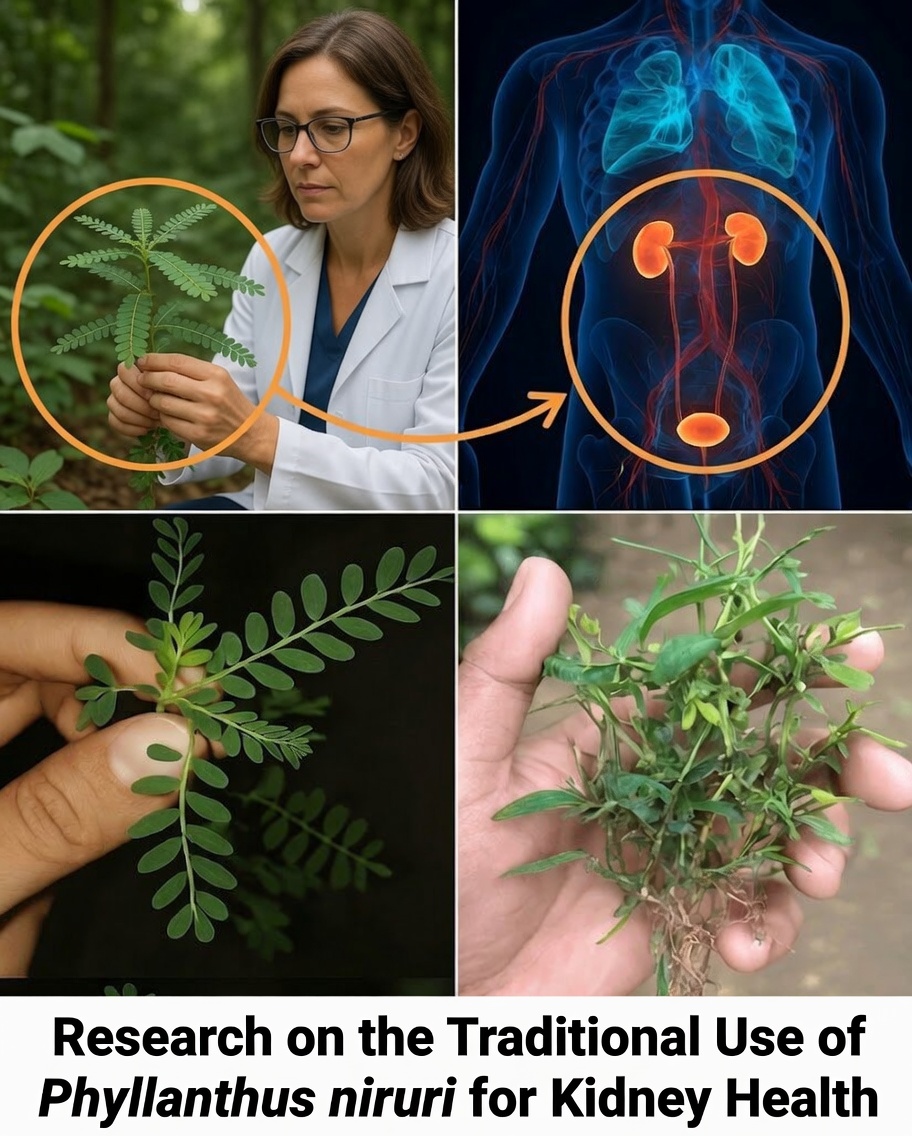
Quebra-Pedra is the popular name for Phyllanthus niruri, a tropical plant found in places like India, Brazil, and several regions of South America. Its nickname translates roughly to “stone breaker,” reflecting its traditional reputation for helping the body manage kidney stones and, in some cases, gallstones.
This herb contains several notable bioactive compounds, including:
- Phyllanthin and hypophyllanthin
- Flavonoids
- Lignans
These compounds are often associated with antioxidant, anti-inflammatory, and diuretic actions—properties that may explain many of its traditional uses.
In herbal preparations, practitioners commonly use leaves, stems, and sometimes roots to make tea, extracts, or tinctures.
Key Benefits of Quebra-Pedra
1. Kidney and Urinary Tract Support
Quebra-Pedra is best known for its role in helping reduce the risk of kidney stone formation. Traditionally, it’s used to encourage urine flow, which may help flush out minerals and waste that can contribute to stone development.
2. Liver Protection and Detox Support
This plant is frequently described as having hepatoprotective potential—meaning it may help support liver cells against toxins and oxidative stress. It’s also commonly used in wellness routines aimed at supporting the body’s natural detox processes.
3. Lighter, More Comfortable Digestion
Many people drink Chanca Piedra tea to ease digestive complaints such as:
- Bloating
- Gas
- Abdominal discomfort
- A “heavy stomach” feeling after meals
4. Blood Sugar Balance (Emerging Research)
Early research suggests that certain compounds in Phyllanthus niruri may help support insulin sensitivity and healthy glucose balance. This area is still developing, but it remains one of the most discussed modern wellness interests around the herb.
5. Cardiovascular and Antioxidant Support
Because it contains multiple antioxidants, Quebra-Pedra may help combat free radical damage, which is commonly linked to aging and cardiovascular strain. This antioxidant effect may support overall heart and blood vessel health as part of a balanced lifestyle.
How Quebra-Pedra May Work in the Body
Natural Diuretic Action for the Kidneys
A core traditional mechanism is its diuretic effect, which increases urinary output. This may help the body clear out substances that could otherwise accumulate and form stones. Some sources also associate the herb with helping reduce calcium oxalate crystallization, a major component of many kidney stones.
Liver Enzyme and Detox Pathway Support
The liver plays a central role in filtering toxins and managing metabolism. The flavonoids in Quebra-Pedra are often linked to supporting key liver functions, including the body’s built-in detox pathways.
Antioxidant and Anti-Inflammatory Properties
Long-term inflammation is frequently connected with chronic health issues. The herb’s antioxidant profile may help reduce oxidative stress and support a healthier inflammatory response.
How to Use Quebra-Pedra
Quebra-Pedra Tea (Chanca Piedra Tea)
Ingredients
- 1–2 teaspoons of dried leaves or stems of Quebra-Pedra
- 1 cup of boiling water
Directions
- Add the dried herb to boiling water.
- Steep for 10–15 minutes.
- Strain and drink.
How to take it
- Common use is 1–2 cups per day.
Tip: Adding lemon or a small amount of honey may improve the taste and offer additional wellness benefits.
Extract or Tincture
Concentrated herbal extracts are widely available in natural health stores. A common approach is:
- 20–30 drops in water, once or twice daily
Always follow the product label and manufacturer guidance.
Capsules
For convenience, many people choose capsules. Typical ranges are often:
- 500 mg to 1000 mg daily
If you’re considering supplements, professional guidance is recommended—especially if you take medication or manage a health condition.
Other Traditional Uses
Beyond kidney support, Quebra-Pedra is also traditionally used for:
- Gallbladder stone support, often connected to improving bile flow
- Mild digestive support, including occasional constipation and gas
- Immune support, due to its antioxidant content
Tips to Get Better Results
- Be consistent: Many people report better outcomes after regular use for several weeks.
- Drink plenty of water: Because the herb may increase urination, hydration is essential.
- Improve your diet: Reducing excess salt, sugar, and ultra-processed foods may further support kidney and liver health.
- Seek professional advice: Especially important if you have kidney disease, liver conditions, or diabetes.
Safety Considerations
Quebra-Pedra is generally considered safe when used appropriately, but caution is important:
- Avoid use during pregnancy or breastfeeding unless a qualified professional approves.
- If you have diabetes, monitor blood sugar closely, as the herb may influence glucose balance.
- Choose products from reputable sources to ensure purity and correct identification.
Conclusion
Quebra-Pedra (Chanca Piedra) is a modest plant with a long-standing reputation in natural wellness. While it’s most famous for kidney stone prevention support, it is also commonly used to promote liver health, smoother digestion, blood sugar balance, and cardiovascular support—making it a versatile herb in many traditional routines.
When incorporated thoughtfully and safely, it offers a blend of time-tested tradition and growing scientific interest. Sometimes, the simplest natural options can play a meaningful role in a modern wellness lifestyle.
Disclaimer: This content is for educational purposes only and does not replace professional medical advice. Consult a qualified healthcare professional before starting any natural approach, especially if you have existing conditions or use medications.