Purple Spots on Your Skin? Simple Habits That Can Support Recovery and Protect Your Blood Vessels
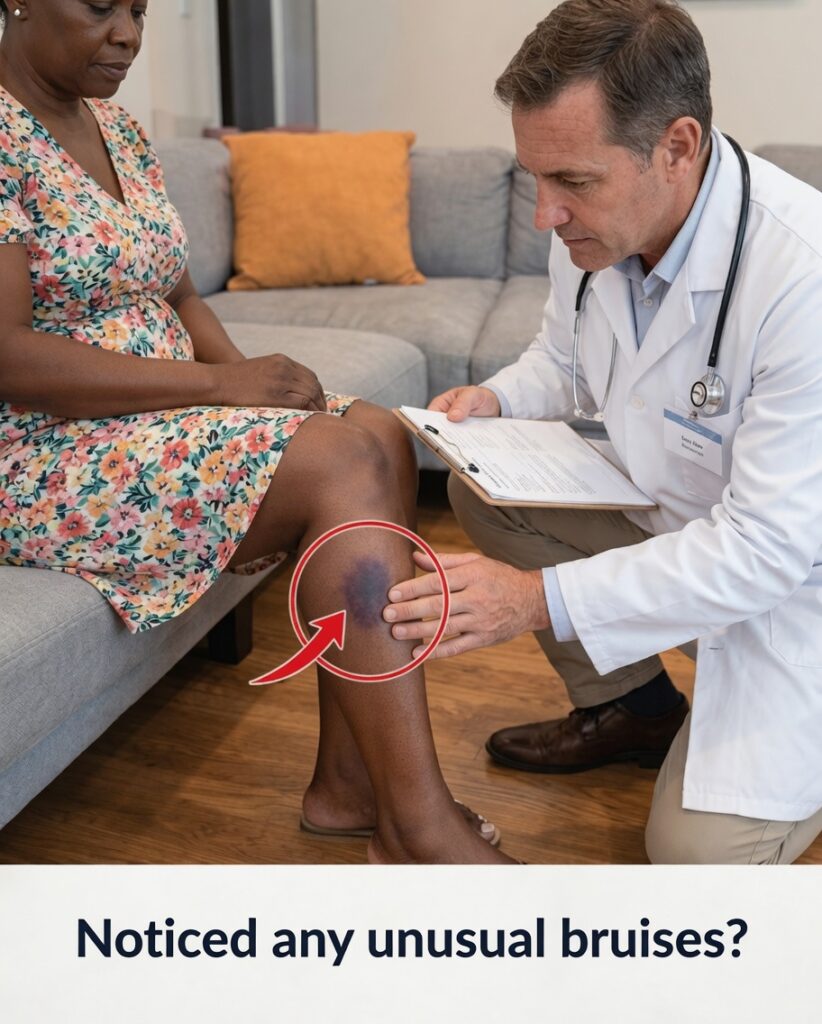
You glance at your arm or leg and notice a deep purple patch—no bump, no fall, no clear reason. It can feel uncomfortable and even alarming, especially when more marks show up without explanation. While unexplained purple spots on the skin are often harmless, they can also be your body’s way of asking for extra attention.
The good news: once you understand the most common causes, you can take practical, preventive steps. Read to the end to learn everyday habits that support healthy skin and stronger blood vessels—and the clear warning signs that mean it’s time to consult a healthcare professional.
What Are These Purple Spots?
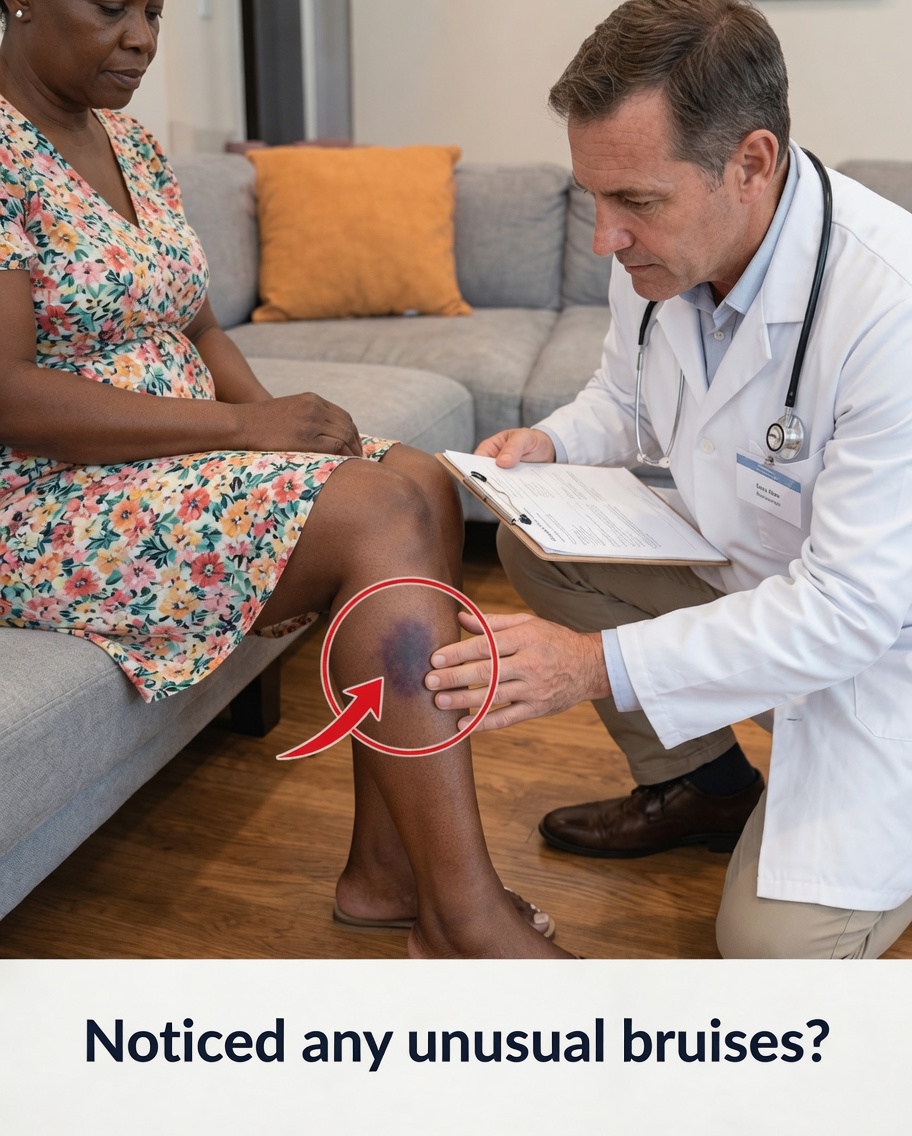
These marks are often described as purpura or ecchymosis:
- Purpura happens when tiny blood vessels under the skin (capillaries) break, creating small red-to-purple spots.
- When the spots are larger, they’re usually called ecchymoses—essentially bruises that appear without an obvious injury.
Unlike typical bruises, these patches may show up without visible trauma. On lighter skin, they often look vividly purple; on darker skin, they may appear more brownish or dark. They aren’t always painful, and they may linger longer than expected.
Most of the time, this occurs because capillaries have become more fragile and break more easily. The key point: the spots are a signal, not just a standalone issue.
Common Causes of Unexplained Purple Spots
Several factors can contribute to purpura or bruise-like marks that seem to come out of nowhere:
Aging and sun exposure
As you age, skin naturally becomes thinner, and small blood vessels become more delicate—especially after years of UV exposure. This can lead to senile purpura, commonly seen on the forearms, hands, and arms.
Medications and supplements
Some drugs and products can make bruising more likely by affecting clotting or vessel integrity, including:
- Blood thinners (anticoagulants)
- Corticosteroids
- Certain supplements that may influence bleeding risk
Nutrient deficiencies
Low levels of key nutrients can weaken blood vessels or interfere with clotting, especially:
- Vitamin C
- Vitamin K
Everyday triggers
Small bumps you don’t notice, intense physical effort, or even tight clothing can cause discoloration in people with more sensitive skin or fragile capillaries.
But it’s important to remember: sometimes, it’s not just something minor.
When Could It Signal a More Serious Problem?
In many cases, these spots are benign. However, the following signs deserve closer attention:
- They appear suddenly and frequently
- They spread over large areas or show up in unusual places (such as the face or torso)
- They come with other symptoms like nose or gum bleeding, unusual fatigue, or joint pain
- They don’t fade after a few weeks or keep returning in the same spot
In some situations, frequent unexplained bruising can be associated with clotting disorders, low platelet count, or inflammation of blood vessels. Tracking patterns can be very helpful for proper evaluation.
What You Can Do Now to Support Skin and Blood Vessel Health
Small, consistent changes can make a meaningful difference:
Protect your skin from the sun
- Apply broad-spectrum sunscreen SPF 30+ daily, even if you spend most of your time indoors
- Consider protective clothing for arms and hands if you’re prone to bruising
Eat for stronger blood vessels
Focus on foods rich in:
- Vitamin C: oranges, strawberries, bell peppers
- Vitamin K: spinach, kale, leafy greens
Stay well hydrated
Adequate water intake helps support skin resilience and overall skin health.
Be gentle with your skin
- Avoid harsh scrubbing
- Pat dry with a towel instead of rubbing aggressively
Review your medications safely
If you use anticoagulants, corticosteroids, or other relevant medications, do not change them on your own. Discuss concerns with a qualified professional.
Monitor the spots
Track:
- When they appear
- Size and location
- How often they return
Taking photos can make it easier to compare changes over time.
Normal Bruises vs. Potentially Concerning Bruising
Usually normal
- A clear cause (a bump or impact)
- Fade within 1–2 weeks
- Occur only occasionally
Potentially concerning
- No clear cause
- Many appear in a short period
- Irregular shapes or unusual locations
- Occur along with other symptoms (bleeding, fatigue, pain)
If the second list sounds familiar, getting medical guidance is a smart next step.
Conclusion: Listen to What Your Body Is Telling You
Unexpected purple spots can be unsettling, but they’re often linked to common factors like aging, sun damage, or fragile capillaries. Still, paying attention, strengthening daily habits, and knowing when to seek help can protect both your health and your peace of mind.
FAQ
What causes purple spots without an injury?
Common causes include fragile blood vessels, certain medications, and nutrient deficiencies (especially vitamins C and K).
How long do they last?
They often fade within 1 to 3 weeks, typically changing color as they heal.
Should I worry about a single spot?
Usually not. But if multiple spots appear, they keep coming back, or you have other symptoms, consult a professional.
Disclaimer: This content is for informational purposes only and does not replace medical advice. If you notice unusual or persistent changes in your skin, seek evaluation from a qualified healthcare professional.