A Small White Spot on a Tooth Could Be an Early Cavity Warning—Here’s How to Help Your Enamel Recover Naturally
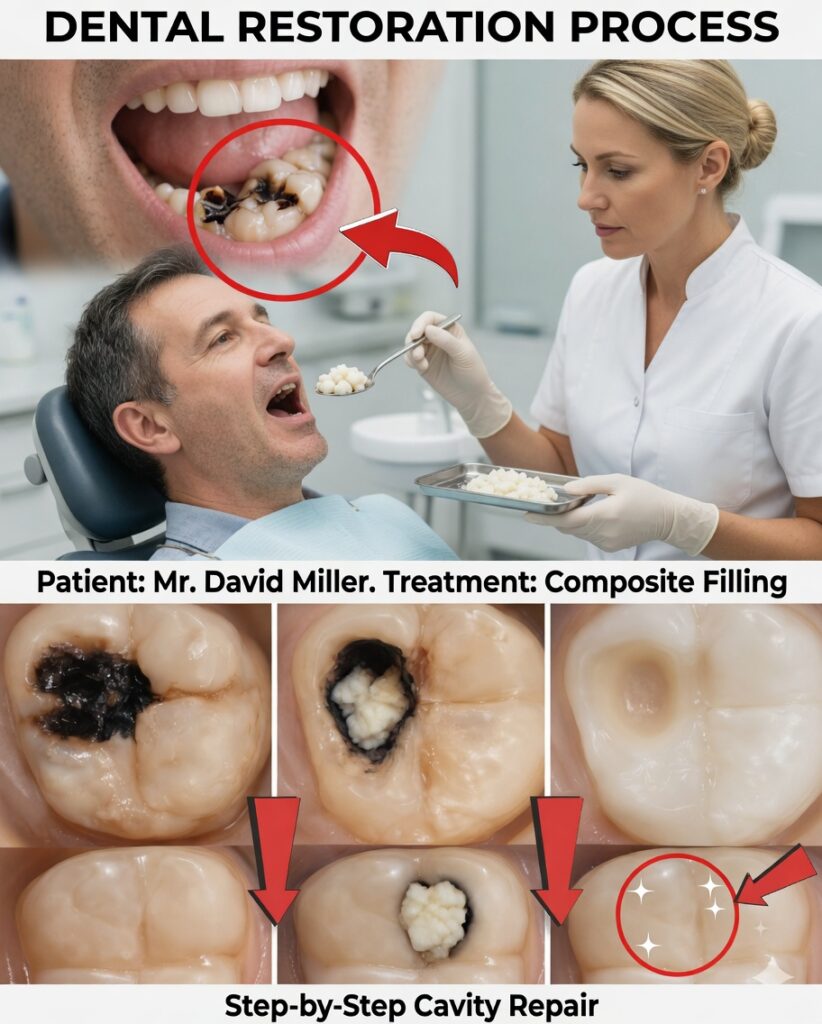
A tiny white patch on your tooth might not look like a big deal—but it can be the first visible sign of early tooth decay. The good news is that, before a cavity becomes a hole, there’s a natural process that can help strengthen enamel and slow (or even stop) damage. Learn how to protect your teeth starting today.
Have you ever noticed a chalky white spot on a tooth and felt a little worried? Many people brush it off, but this can be an early signal that your tooth enamel is losing key minerals. When plaque bacteria feed on sugar, they produce acids that pull calcium and phosphate out of the enamel. Over time, this mineral loss can progress into a painful cavity—often leading to expensive and uncomfortable dental treatment.
But here’s the key question: what if your body could support enamel repair before a true cavity forms?
In the earliest stage—when there is no actual hole—enamel can be strengthened through a natural repair mechanism called remineralization. Saliva plays a central role by delivering minerals back to the enamel surface and helping restore tooth strength. With a few consistent daily habits, you can support remineralization and significantly lower your risk of cavities. Keep reading for a practical plan to help you build stronger teeth and reduce how often you need dental work.
Why Remineralization Is Your Teeth’s Natural Defense System
Tooth enamel is the hardest substance in the human body, yet it faces constant acid exposure. Most of that acid comes from bacteria in the mouth breaking down sugars and carbohydrates.
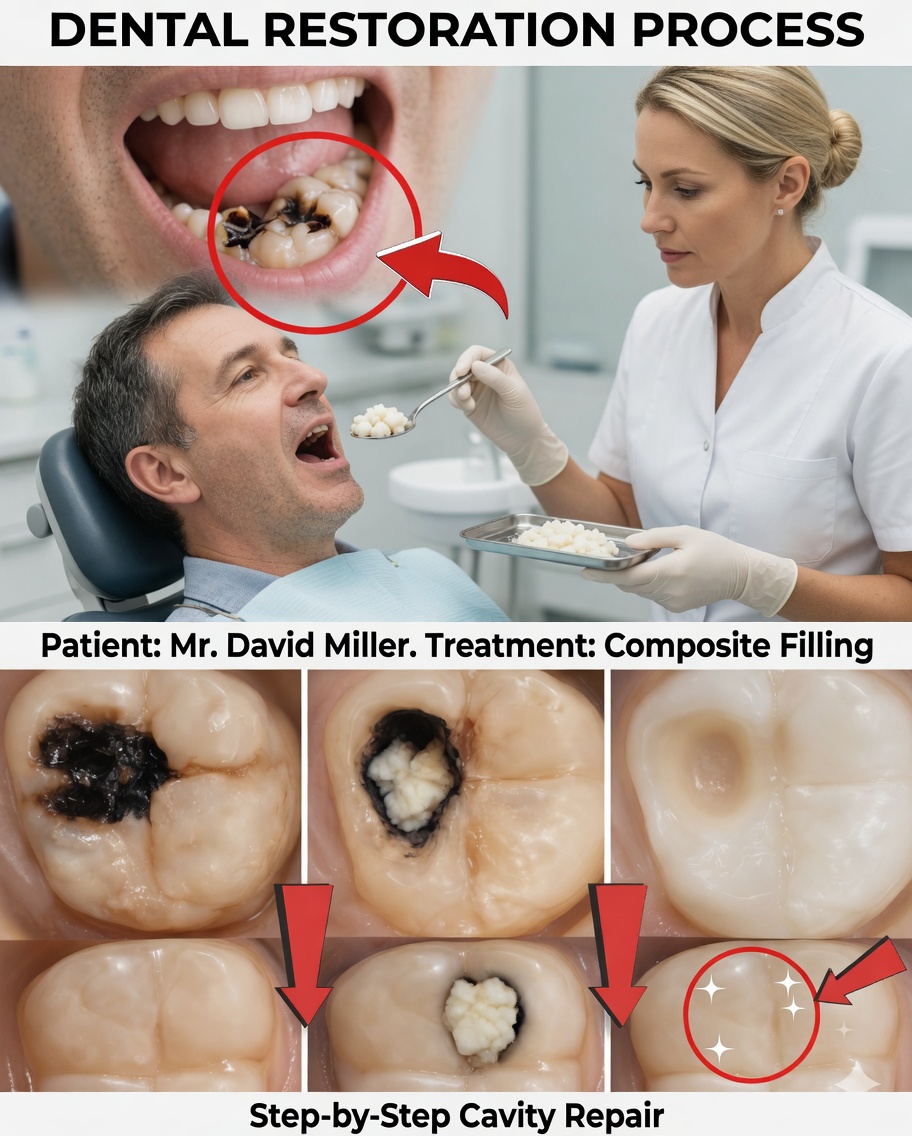
When acid attacks the enamel, it pulls minerals away—a process known as demineralization. Early demineralization often shows up as white spot lesions (small white marks on the tooth surface). Fortunately, saliva acts like a built-in repair system, supplying calcium and phosphate that can help rebuild and harden enamel.
The sooner you support remineralization, the better your chances of preventing early enamel damage from turning into a true cavity.
7 Evidence-Based Habits That Support Early Enamel Repair
1. Brush twice daily with fluoride toothpaste
This is the most important habit for enamel protection. Fluoride helps enamel attract minerals like calcium and phosphate and can create a more acid-resistant surface.
- Brush for a full 2 minutes
- Use a soft-bristled toothbrush
- After brushing, avoid aggressive rinsing so a thin protective fluoride layer can remain on the teeth
2. Floss every day
Toothbrush bristles can’t reach every tight space. Between teeth, plaque and food debris can build up quickly.
Daily flossing removes these deposits and helps saliva do its remineralizing work more effectively—especially in areas where cavities commonly start.
3. Use a fluoride mouthwash or drink fluoridated water
A fluoride rinse can help strengthen enamel and reduce acid impact.
Using it after meals can provide an extra layer of protection—particularly if you’re prone to cavities or snack frequently.
4. Cut back on sugar and acidic drinks
Every time you eat sugar, bacteria can produce enamel-damaging acid for roughly 20–30 minutes afterward.
Reducing these triggers helps limit repeated acid attacks:
- Soda and soft drinks
- Candy and sweets
- Citrus or acidic beverages consumed frequently throughout the day
5. Chew xylitol gum after meals
Xylitol is a natural sweetener that cavity-causing bacteria can’t easily ferment.
It also increases saliva flow, which helps:
- Neutralize acids
- Wash away food particles
- Support enamel remineralization
6. Add mineral-rich foods to your diet
Your body needs mineral building blocks to support enamel strength.
Helpful options include:
- Cheese and yogurt
- Dark leafy greens
- Almonds and other nuts
- Vitamin D–rich fish such as salmon
A simple tip: finishing a meal with a small piece of cheese may help reduce mouth acidity and support a more enamel-friendly environment.
7. Drink plenty of water throughout the day
Saliva is one of your strongest natural protections against tooth decay. Staying hydrated helps your body produce enough saliva to:
- Neutralize acids
- Clear food debris
- Deliver essential minerals to the teeth
If you often have a dry mouth, xylitol gum can be a useful support strategy.
A Simple Daily Routine to Strengthen Teeth and Prevent Cavities
Morning
- Brush for 2 minutes
- Floss
After meals
- Rinse your mouth with water or
- Chew xylitol gum
During the day
- Sip water regularly
- Choose mineral-rich snacks like yogurt or almonds
Night
- Brush again
- Floss
- Use a fluoride mouthwash if you want extra protection
With consistent habits, many people start noticing smoother-feeling teeth and reduced sensitivity within about 1 to 3 months.
Extra Benefits You May Notice
Beyond cavity prevention and enamel strengthening, these habits often come with added improvements:
- Fresher breath
- Less tooth sensitivity
- Stronger enamel over time
- Better overall nutrition and healthier daily routines
Common Questions
Can white spots on teeth go away naturally?
In early stages, yes. When the surface hasn’t broken down into a hole, strong daily habits and effective remineralization can help the enamel regain strength and reduce the appearance of white spots.
How long does it take to see results?
Many people notice improvements in about 1 to 3 months with consistent brushing, flossing, fluoride use, and smarter diet choices.
What if I have dry mouth due to medication?
Focus on hydration, consider xylitol products, and speak with your dentist for personalized guidance—dry mouth can significantly increase cavity risk.
Important Note
This article is for informational purposes only and is not a substitute for professional dental advice. Always consult a dentist for a proper evaluation—especially if you notice new white spots, sensitivity, or changes in your teeth.