
If Your Kidneys Are Weak: Avoid These Common Food Mistakes and Choose Safer Fruits
Living with high creatinine levels can feel stressful—and for good reason. Everyday choices, especially what you eat, can either add extra strain to your kidneys or help reduce the workload. Many people don’t realize that even fruit can influence kidney function, but the right adjustments can support better balance without making your diet miserable.
The good news is that you don’t need complicated rules. Once you know which fruits are generally kidney-friendly and which ones should be limited due to mineral content, it becomes much easier to protect your health in a practical, sustainable way.
One key detail often overlooked: not every “healthy” fruit affects the body the same way. Some fruits provide gentle hydration and fiber that may be easier on the kidneys, while others can quietly raise potassium (and other minerals) when eaten too often or in large portions.
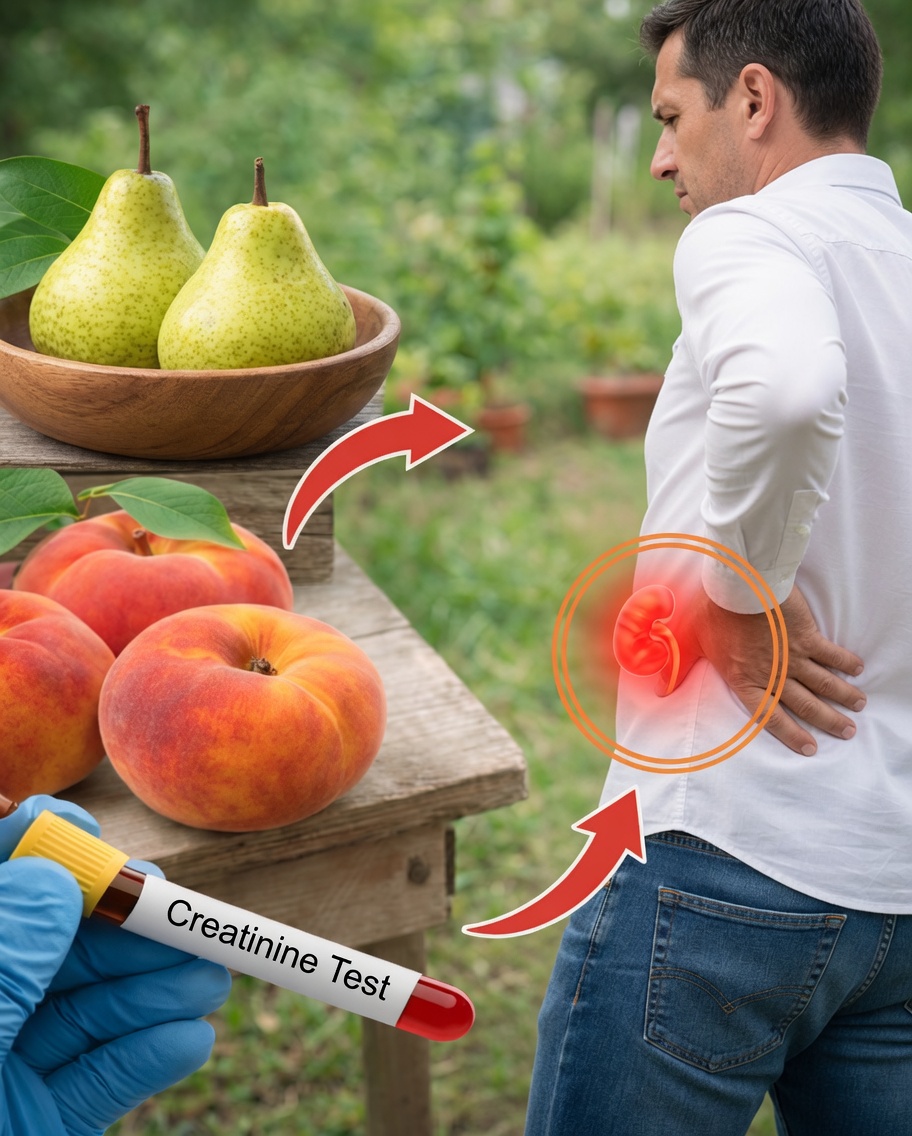
Why Fruit Choices Matter When Creatinine Is High
Your kidneys filter waste products—including creatinine—from the bloodstream. When kidney function is reduced, certain nutrients can build up in the body, especially:
- Potassium
- Phosphorus
- Oxalates
At the same time, fruits can offer benefits like:
- Fiber to support digestion
- Antioxidants to support overall health
- Water content to help with hydration
However, not all fruits are appropriate for people managing kidney issues. Kidney health professionals often recommend focusing on lower-potassium fruits, but needs vary from person to person—so it’s important to personalize your diet with medical guidance.
3 Fruits That Are Usually Safer to Eat
1. Apple
Apples are a kidney-friendlier choice because they’re lower in potassium and contain pectin, a soluble fiber that supports digestion and may help with cholesterol management. Easy ways to include apples:
- Fresh slices
- Baked with cinnamon
- Mixed into oatmeal
2. Pear
Pears provide gentle hydration and mild fiber, which can support regular bowel function. Their light, refreshing taste also makes them easy to eat when appetite is low. You can enjoy pears:
- Fresh
- Preserved/canned without added sugar
3. Pineapple
Pineapple typically contains less potassium than many tropical fruits and is rich in water, which can support hydration. It also contains bromelain, an enzyme found naturally in the fruit. Best options include:
- Fresh pineapple chunks
- Small portions in juice blends or recipes
Important: Even “safe” fruits should still be eaten in moderation, especially if you have kidney disease or elevated lab values.
3 Fruits to Avoid or Strictly Limit
1. Banana
Bananas are well known for being high in potassium, which can raise potassium levels quickly in people with reduced kidney function. It’s often better to swap bananas for lower-potassium alternatives.
2. Orange (and Orange Juice)
Oranges can be nutritious, but they also contain a lot of potassium. Orange juice is even more concentrated, making it easier to overconsume potassium without realizing it.
3. Avocado
Avocado is nutrient-dense, but it’s also very high in potassium. If it’s allowed at all, it’s typically limited to very small portions, depending on your medical plan.
Other fruits to avoid:
- Dried fruits (highly concentrated in minerals and sugar)
- Melon
- Star fruit (carambola) — this one should be completely avoided with kidney problems due to potential toxicity in kidney disease.
Simple Tips You Can Start Using Today
- Review your lab results and understand your potassium limits
- Choose fresh or frozen fruit with no added sugar
- Stick to 1–2 servings per day of kidney-friendlier fruits
- Drink water as recommended (only if your clinician allows it)
- Avoid “healthy overeating”—balance matters most
What Science Suggests
Research generally supports that an overall balanced eating pattern, including appropriate fruits and vegetables, can contribute to better general health and may help support kidney wellness. Still, there is no miracle food—what matters most is the full diet pattern, portion sizes, and how well the plan matches your lab results and condition.
Final Thoughts
Supporting your kidneys through nutrition is one of the most effective and accessible steps you can take. By choosing fruits like apple, pear, and pineapple, and cutting back on banana, orange, and avocado, you’re already moving in a better direction.
These guidelines are for education and do not replace medical care. Always speak with a qualified healthcare professional before making major dietary changes—especially if you have kidney disease or persistently high creatinine.