Stop Raising Your Blood Sugar Every Morning Without Realizing It—Discover a Breakfast That Can Naturally Support Stable Glucose
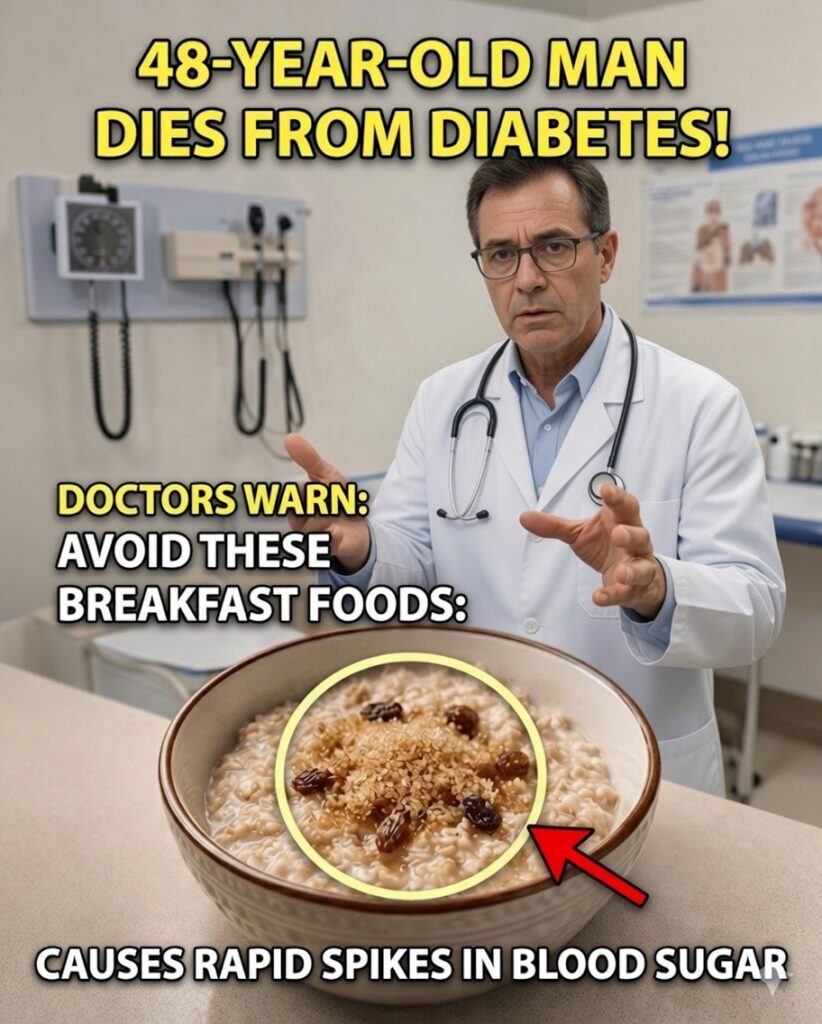
The morning felt completely routine: a hot cup of coffee, a sweet bowl of oatmeal, and a few slices of toast. But when the doctor reviewed the lab results, the conversation took a different turn. “Your blood sugar is rising too fast after breakfast,” they said with concern.
Many people genuinely believe their first meal of the day is “healthy”—until the body starts sending quiet signals: an afternoon crash, sudden hunger, or low energy that seems to come out of nowhere. What rarely gets discussed is that three very common breakfasts can trigger sharp glucose spikes, even when they look homemade or “better for you.”
The encouraging part: you don’t need to give up the foods you enjoy. Small, strategic adjustments can keep your energy steadier throughout the morning.
1) Sugary Instant Oatmeal: It Looks Healthy, But Often Isn’t
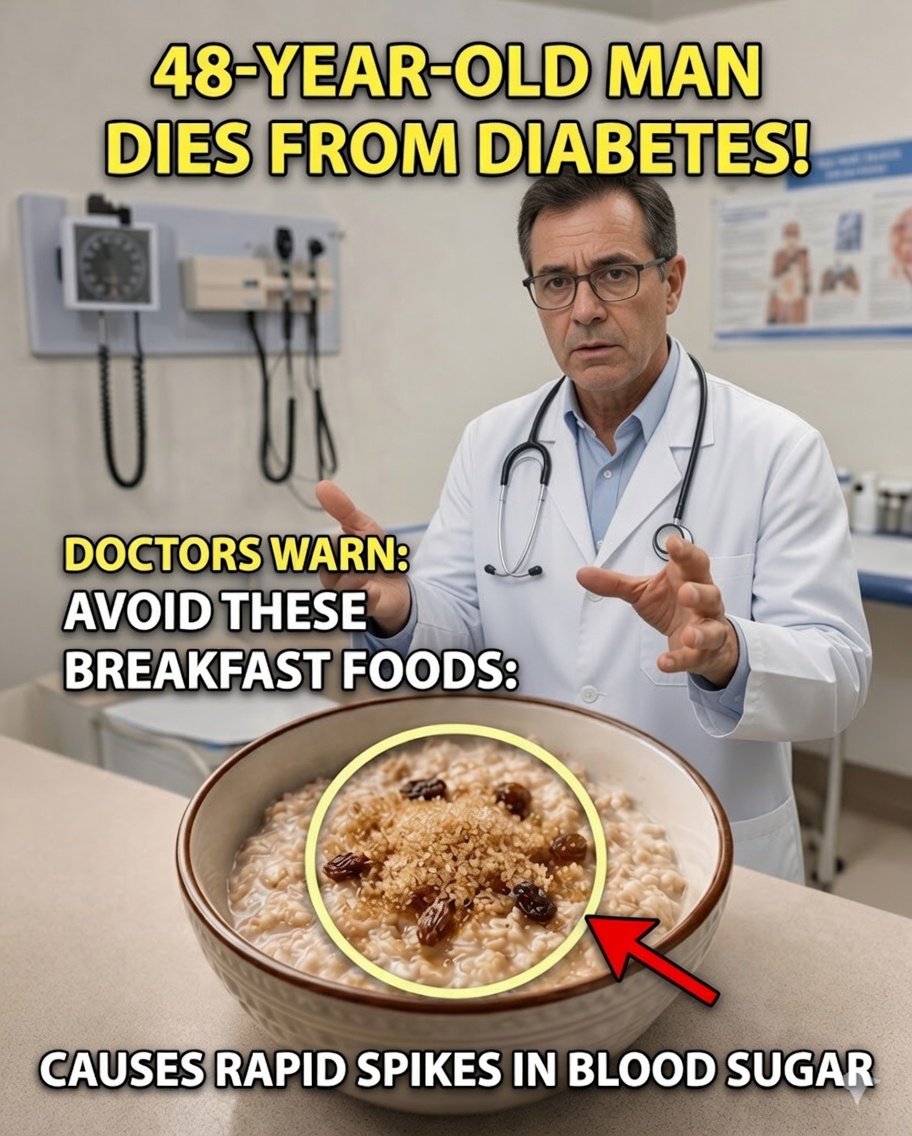
Oats have long been marketed as a smart breakfast—and they can be, when you choose minimally processed oats. The issue is that many instant packets come loaded with added sugar, sweeteners, and flavorings.
These products typically contain less fiber and more added sugars, which can cause carbohydrates to be absorbed faster—leading to a quicker rise in blood glucose.
How to upgrade this breakfast:
- Use plain rolled oats (or steel-cut oats) and prepare them at home
- Add nuts or seeds for fiber and healthy fat
- Include protein, such as plain yogurt or a boiled egg
This combination supports slower digestion and more even energy release.
2) White Bread and Pastries: Fast Energy That Fades Quickly
In many homes, breakfast means white bread, cake, cookies, or sweet pastries alongside coffee. It’s convenient and satisfying—but the main problem is refined flour.
Refined carbs break down rapidly into glucose, often causing a blood sugar surge followed by an energy dip and early hunger.
A more balanced alternative:
- Choose real whole-grain bread (not “brown” bread that’s mostly refined flour)
- Pair it with protein (eggs, cheese, Greek yogurt)
- Add healthy fat (avocado or a drizzle of olive oil)
This approach helps you stay fuller longer and reduces sharp swings.
3) Fruit Juice on an Empty Stomach: Natural, But Highly Concentrated
Starting the day with orange juice may seem like a healthy habit—after all, it comes from fruit. The key difference is that juice contains far less fiber and delivers a more concentrated dose of natural sugar.
Without fiber to slow absorption, sugar enters the bloodstream faster, making glucose spikes more likely.
A smarter choice:
- Pick whole fruit instead of juice
- Combine it with plain yogurt for protein
- Add seeds or nuts for fiber and healthy fat
You’ll still get valuable nutrients—while supporting more stable blood sugar.
The Secret to a Balanced Breakfast for Blood Sugar
Many nutrition experts agree on a simple guideline: aim to combine protein, fiber, and healthy fat in your morning meal.
This trio helps slow digestion and can keep glucose levels steadier.
Simple, practical examples:
- Eggs with avocado and whole-grain toast
- Plain yogurt with oats and mixed nuts
- Whole fruit with fresh cheese (or another protein source)
Small Changes That Make a Big Difference
You don’t need to overhaul everything overnight. Start with a few manageable habits:
- Swap instant oatmeal for plain oats
- Add protein whenever you eat carbs
- Choose whole fruit instead of juice
- Avoid very sugary foods first thing in the morning
Conclusion
Breakfast often shapes how you feel for the rest of the day. Many everyday morning foods can drive blood sugar spikes due to added sugars and refined carbohydrates.
The most empowering takeaway: you don’t have to eliminate these foods—just balance them. With a few small changes, you can improve energy, focus, and overall well-being while still enjoying your meals.
Frequently Asked Questions
Is oatmeal bad for blood sugar?
No. Plain oats are high in fiber and may help support glucose control. The main issue is sweetened, highly processed instant versions.
Is natural juice worse than whole fruit?
In most cases, yes. Whole fruit contains fiber, which helps slow sugar absorption.
Do I need to stop eating bread?
No. Choose true whole-grain bread and pair it with protein and healthy fat for better balance.
Important Notice
This content is for informational purposes only and does not replace medical advice. Please consult a healthcare professional for personalized guidance.