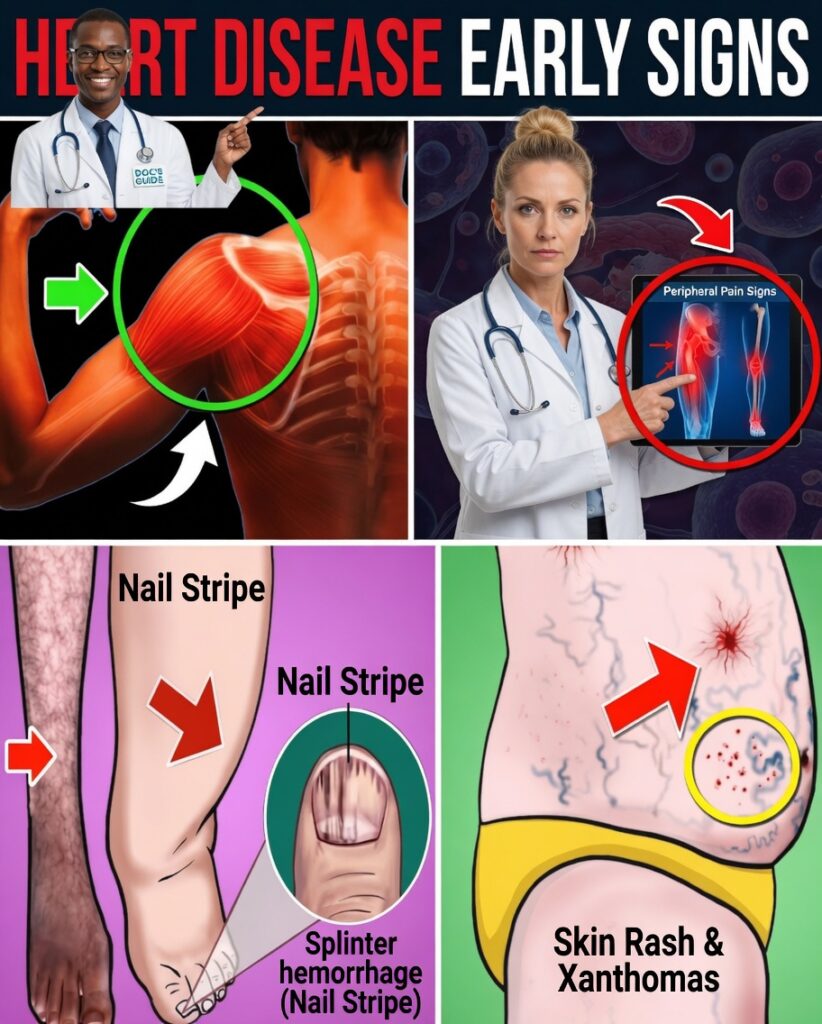
Feeling Tired, Short of Breath, or Suddenly Anxious? Your Heart Could Be Asking for Support
Have you ever noticed an unexpected wave of exhaustion or a brief moment of breathlessness and blamed it on stress, a busy schedule, or getting older? Sometimes those “minor” symptoms aren’t random at all—they can be your heart signaling that it needs attention.
Ignoring early warning signs can allow small problems to grow into serious heart health issues. The good news: awareness plus a few natural lifestyle changes can make a meaningful difference starting today.
Why Paying Attention to Your Heart Matters
After age 30, many people begin to experience subtle shifts—lower stamina, occasional shortness of breath, or unusual discomfort. Because these changes can appear gradually, they’re often dismissed. But when it comes to cardiovascular health, early recognition is one of the most powerful forms of prevention.
Listening to your body helps you protect your heart naturally and respond quickly if symptoms become persistent or severe.
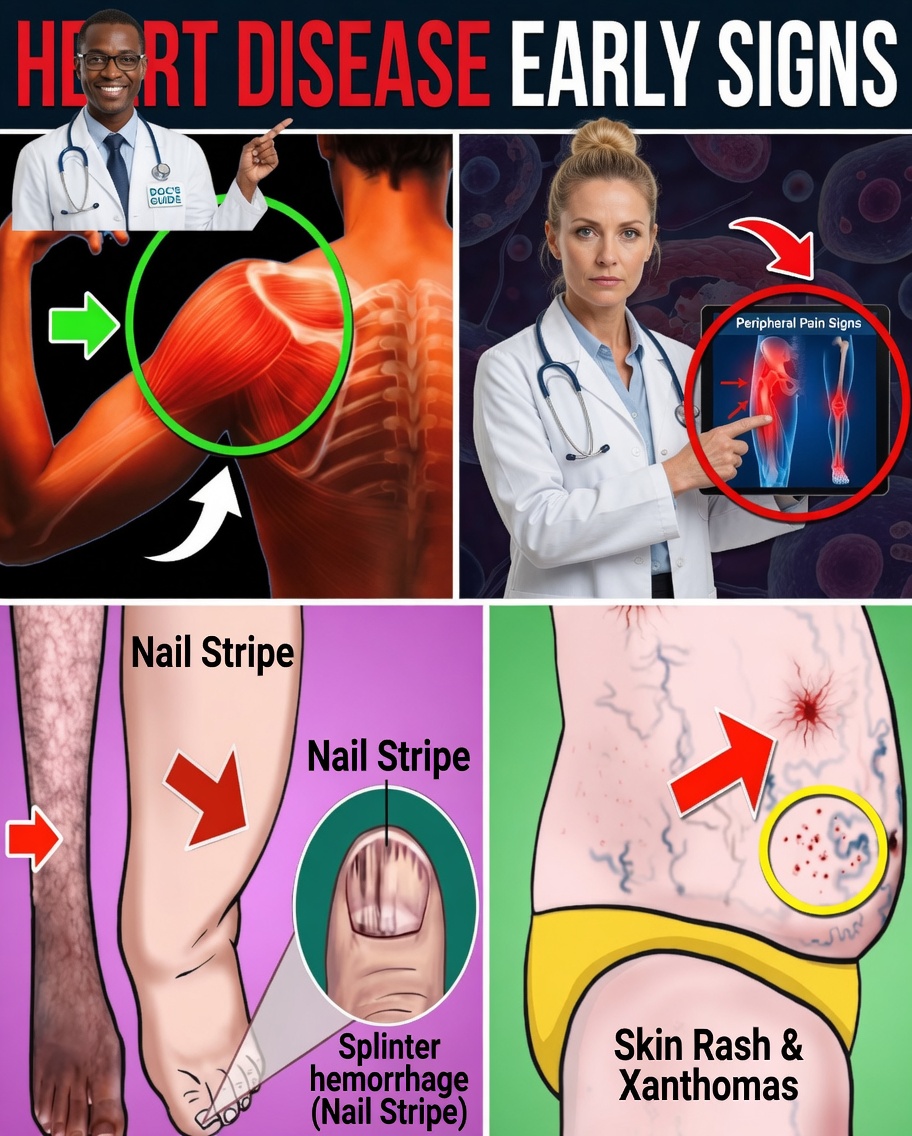
10 Heart Warning Signs You Shouldn’t Overlook
-
Ongoing fatigue
If you feel depleted day after day—even after sleeping—your circulation may be inefficient, reducing oxygen delivery throughout the body. -
Shortness of breath during simple activities
Getting winded from light tasks (like walking upstairs) can suggest your heart is working harder than it should to pump blood. -
Chest discomfort (not always “pain”)
Heart-related symptoms may feel like pressure, tightness, heaviness, or fullness—not necessarily sharp pain. -
Swollen ankles, feet, or legs
Fluid retention can occur when the heart isn’t circulating blood effectively. -
Irregular heartbeat or palpitations
A fluttering sensation, skipping beats, or a racing heart may indicate rhythm disturbances. -
Jaw or neck pain
Heart distress can sometimes refer discomfort to the jaw, neck, or upper body rather than the chest. -
Dizziness or lightheadedness
Reduced blood flow can lower oxygen to the brain, leading to imbalance or faintness. -
Cold sweats
Sudden, unexplained sweating—especially alongside other symptoms—can reflect cardiovascular strain. -
Nausea or digestive discomfort
Some heart issues can mimic stomach problems, including nausea or indigestion-like sensations. -
Sudden anxiety or panic without a clear trigger
Unexplained anxiety may be linked to the body’s stress response when the cardiovascular system is under pressure.
7 Natural Ways to Support Heart Health
-
Eat more heart-healthy foods
Build meals around leafy greens, berries, nuts, olive oil, and fatty fish. These choices can support circulation and help manage inflammation. -
Add gentle daily movement
A consistent 20–30 minute walk can improve blood flow and cardiovascular function without excessive strain. -
Use calming breathing techniques
Try the 4-7-8 method: inhale for 4 seconds, hold for 7, exhale for 8. This can relax the nervous system and reduce stress on the heart. -
Protect your sleep
Aim for 7–8 hours each night. Reduce screen time before bed and keep your sleep environment quiet and calming. -
Stay well-hydrated
Drinking enough water helps keep blood moving smoothly. Adding lemon can be a simple, refreshing upgrade. -
Consider supplements cautiously
Some people benefit from omega-3s, magnesium, or herbal teas such as hawthorn or green tea. Use supplements in moderation, and consult a qualified professional if you’re unsure or take medications. -
Monitor symptoms and get checked when needed
Natural heart care is valuable, but it’s not a substitute for medical attention. If symptoms continue, intensify, or feel alarming, seek professional evaluation promptly.
Your Heart Today Shapes Your Future
Picture yourself with more steady energy, easier breathing, and confidence in your daily routine. Small choices—done consistently—can lead to powerful long-term improvements in heart health.
Your heart often speaks softly. When you start listening and taking action, it can change everything.