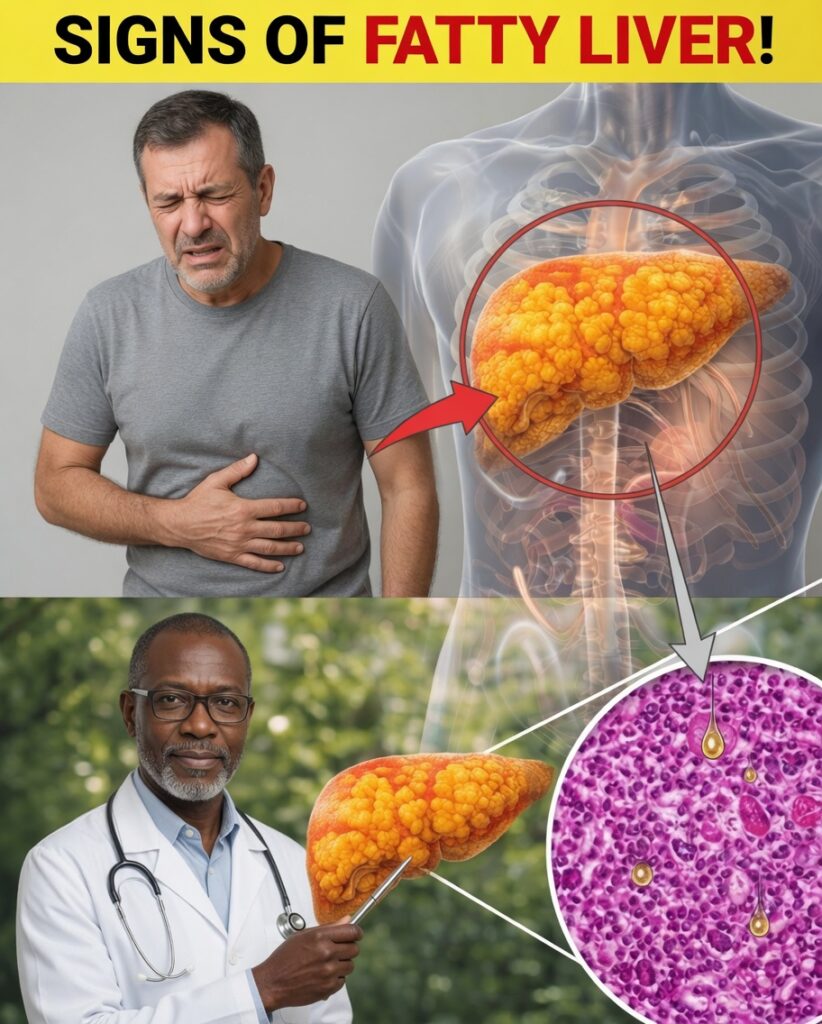
These Quiet Warning Signs Could Point to Fatty Liver—Ignore Them Today and Pay the Price Tomorrow
Many people feel tired day after day and blame it on stress, poor sleep, or a packed schedule. Others notice mild discomfort in the upper abdomen and assume it’s simply indigestion. Yet these subtle symptoms may signal fat buildup in the liver, a widespread condition known as fatty liver disease, affecting millions worldwide.
The encouraging news: when you spot potential signs early and make intentional lifestyle adjustments, you can support liver health naturally. Below are key warning signs to watch for and simple, practical strategies that may help.
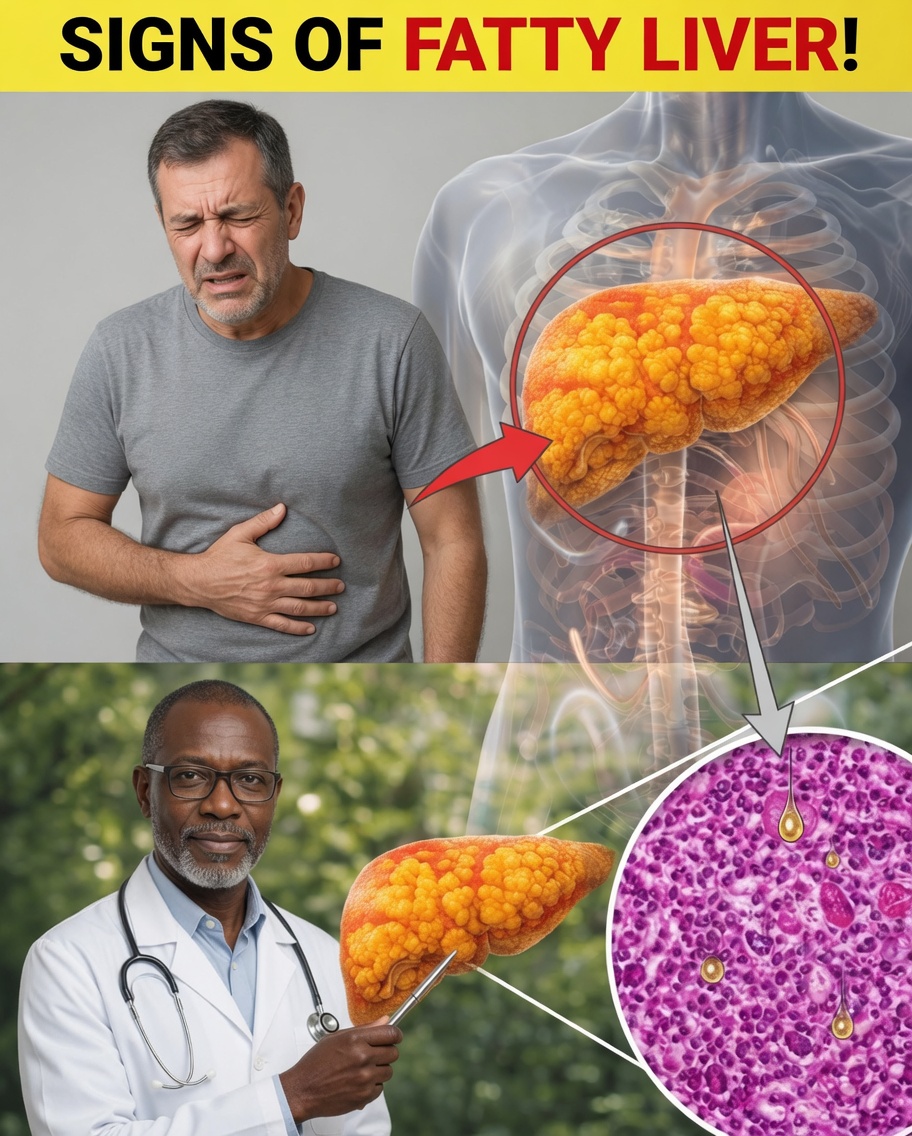
What Is Fatty Liver Disease?
Fatty liver disease—increasingly referred to as metabolic dysfunction–associated steatotic liver disease (MASLD)—happens when too much fat accumulates inside liver cells. A small amount of fat is normal, but when it rises to roughly 5–10% of the liver’s weight, it can interfere with how the liver functions.
This condition is often linked to everyday factors such as:
- A diet high in ultra-processed foods and added sugar
- Low physical activity
- Elevated blood sugar
- High cholesterol or triglycerides
Why Is Fatty Liver So Easy to Miss?
In many people, fatty liver develops silently, especially in the early stages. Symptoms may be absent or vague, and the issue is frequently found only during routine lab work or imaging.
Over time, however, certain signs can begin to appear.
17 Signs Worth Paying Attention To
Common early signs
- Persistent fatigue, even after adequate rest
- Mild discomfort or pressure in the upper right abdomen
- Unexplained weakness
- Trouble concentrating or “brain fog”
- Frequent bloating or excess gas
Signs that may show up as the condition progresses
- Reduced appetite
- Nausea, especially after eating fatty foods
- Unexplained weight changes
- Itchy skin
- Darkened patches of skin on the neck or underarms
- Swelling in the legs or abdominal area
- Yellowing of the skin or eyes
- Bruising more easily than usual
- Visible small blood vessels on the skin
- Noticeable changes in urine or stool color
- Muscle aches
- Mood shifts, such as increased irritability
Not everyone experiences all symptoms. Many of these signs can also resemble other health issues—another reason fatty liver can be overlooked.
Risk Factors for Fatty Liver
Some factors raise the likelihood of developing fatty liver disease, including:
- Excess body weight, especially around the abdomen
- Type 2 diabetes or insulin resistance
- High cholesterol or high triglycerides
- Metabolic syndrome
- Rapid weight loss
- A consistently poor diet
Even without these risk factors, fatty liver can still occur—so it’s important to pay attention to what your body is telling you.
When Should You Seek Medical Advice?
If you notice multiple signs—particularly ongoing fatigue combined with abdominal discomfort—it’s wise to speak with a healthcare professional. Basic tests can often identify fatty liver early, when lifestyle changes tend to be most effective.
How to Support Liver Health Naturally
Small, consistent habits can make a meaningful difference.
1. Aim for gradual, sustainable weight loss
Losing about 5–10% of body weight may significantly reduce liver fat for many people.
2. Build a balanced, liver-friendly diet
- Choose fruits, vegetables, whole grains, and lean proteins
- Include healthy fats such as olive oil, avocado, and fatty fish
- Limit added sugar, ultra-processed foods, and deep-fried meals
3. Move your body regularly
- Walking, swimming, and other light-to-moderate activities can help
- A practical target is around 150 minutes per week
4. Simple daily habits that add up
- Drink enough water throughout the day
- Reduce or avoid alcohol
- Prioritize sleep and manage stress
Interestingly, moderate coffee intake (about 2–3 cups daily, without sugar) has been associated in studies with better liver health.
Conclusion
Your liver works quietly every day to keep your body in balance. Noticing early warning signs and acting promptly can make a major difference. Start with small, realistic changes and observe how you feel over time—your liver will benefit from the support.
Frequently Asked Questions
Can fatty liver be reversed?
Yes. In many early cases, lifestyle changes can reduce fat accumulation and improve liver health.
How is fatty liver diagnosed?
Common methods include blood tests, ultrasound imaging, and a medical evaluation based on your risk factors and symptoms.
Is it okay to drink coffee?
In moderation, coffee may be beneficial for liver health—but it’s best to check with a healthcare professional, especially if you have existing conditions.
Important notice: This content is for informational purposes only and does not replace medical advice. Always consult a qualified healthcare professional for proper diagnosis and treatment.