Soaking Chia Seeds but Still Feeling Bloated? The Problem May Be Your Prep
Do you soak chia seeds yet still notice bloating, heaviness, or digestive discomfort? In many cases, the issue isn’t chia itself—it’s how you hydrate it. A few simple preparation tweaks can dramatically improve texture and help your digestion feel more comfortable, naturally.
Chia seeds have become a staple in smoothies, chia pudding, overnight oats, and wellness-focused diets thanks to their impressive nutrient profile. Still, plenty of people feel disappointed when they don’t experience the benefits they expected—such as steadier energy, longer-lasting fullness, or easier digestion—even with regular use. Surprisingly, the most common problem is not the seeds, but mistakes made during the soaking process.
Chia is naturally rich in fiber, plant-based omega-3s, protein, and key minerals. Nutrition research suggests that, when used correctly, chia may support heart health, promote satiety, and contribute to digestive balance. Some scientific reviews also point to modest benefits for blood pressure management and waist circumference reduction in certain adults. However, if chia isn’t hydrated properly, you may miss out on these advantages—and end up with a gritty texture or stomach discomfort instead.
The good news: small adjustments lead to big improvements. Below are five common chia-soaking mistakes and practical fixes to help you get a smooth gel, consistent results, and a more comfortable experience.
Why Soaking Chia Seeds Matters
Chia seeds act like tiny natural sponges. They can absorb 10–12 times their weight in liquid, forming a gel that’s high in soluble fiber. This gel can:
- slow digestion in a gentle way
- help you feel full for longer
- support a steadier release of energy
When prepared correctly, soaked chia becomes creamy and pudding-like. When it’s done poorly, you’re more likely to get clumps, a sandy mouthfeel, or digestive discomfort. Success typically comes down to three variables:
- liquid temperature
- soaking time
- mixing technique
Mistake #1: Using Only Very Cold Liquid
Many people add chia to water or milk straight from the fridge because it feels refreshing. But very cold liquids slow down absorption.
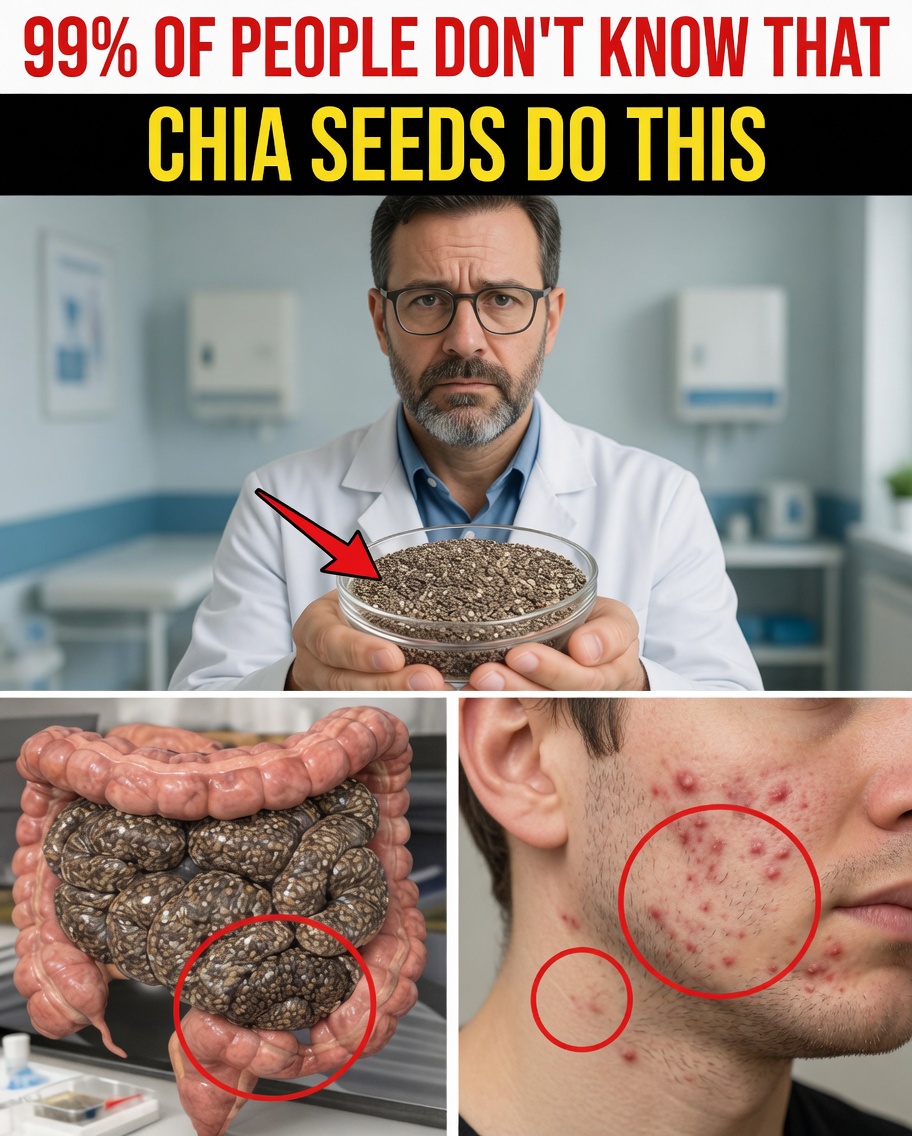
When that happens, the outer layer can gel quickly while the inside remains dry. The result is uneven hydration—and in your stomach, partially hydrated seeds may continue expanding, which can cause bloating or discomfort, especially in sensitive individuals.
Simple fix:
- Use liquid at room temperature whenever possible.
- If using warm liquid, keep it slightly warm—not hot.
- Stir twice in the first few minutes to help the seeds hydrate evenly.
Mistake #2: Getting the Soaking Time Wrong
Some people soak chia for only 5 minutes. That’s often not enough time for full hydration, so the seeds may continue swelling later in your digestive tract.
On the other hand, leaving chia at room temperature for too long can affect taste and food safety.
Simple fix (recommended timing):
- For drinks or smoothies: soak 15–30 minutes at room temperature
- For chia pudding: soak 8–12 hours in the refrigerator
If you still notice a gritty texture, extend the soaking time.
Mistake #3: Picking the Wrong Liquid
Not every liquid works well for chia gel formation. Very sugary juices, highly acidic liquids, or extra-thick mixtures can interfere with hydration.
- Sugar can change gel consistency
- Acidic liquids may irritate some stomachs
- Thick liquids can prevent even absorption, leading to clumps
Simple fix: start with neutral liquids
- filtered water
- unsweetened plant milk (almond, oat, or coconut)
- coconut water or cooled herbal tea
Add ingredients like fruit, cinnamon, or vanilla after the gel forms.
Mistake #4: Stirring Only Once
If you stir only at the beginning, chia often forms clumps. The outside gels fast and traps dry seeds inside, creating hard pockets that can stay unpleasant—even after 30 minutes.
Simple fix: the “three-stir method”
- Stir immediately after adding liquid
- Stir again after 2–3 minutes
- Stir a third time after 8–10 minutes
Alternatively, close the container and shake gently to reduce clumping.
Mistake #5: Storing Hydrated Chia Incorrectly
Leaving soaked chia uncovered or outside the fridge can lead to separation, off smells, or spoilage. Mixing fresh fruit in too early can also speed up fermentation.
Simple fix:
- Store hydrated chia in a sealed glass jar or airtight container
- Refrigerate right away
- Use within 2–3 days
- Stir before each use
If you notice an unusual smell, bubbles, or discoloration, discard it.
A Simple, Reliable Method to Hydrate Chia Seeds
For consistent results, try this straightforward routine:
- Start with 1 tablespoon chia seeds
- Add ¾ cup room-temperature water or unsweetened plant milk
- Stir well in a jar or bowl
- Use the three-stir method
- Soak 20–30 minutes, or overnight in the fridge for a thicker texture
- Store covered in the refrigerator
- Enjoy with yogurt, fruit, oats, or blended into smoothies
Many people report better comfort and longer satiety once they adjust their prep method.
Conclusion
You don’t need perfect technique to benefit from chia—just a few smart habits. By avoiding these five common soaking mistakes, you can get a smoother texture, more comfortable digestion, and make the most of this nutrient-dense superfood.
Small changes in preparation can completely transform your chia experience.
Frequently Asked Questions
How long should I soak chia seeds?
Soak for 15–30 minutes for quick use, or 8–12 hours in the refrigerator for a creamier, pudding-like texture.
Can I eat chia seeds without soaking them?
It’s not ideal. Eating large amounts of dry chia may cause digestive discomfort because the seeds continue absorbing liquid inside your body.
How much chia should I have per day?
A common range is 1–2 tablespoons daily, increasing gradually based on your tolerance.
Disclaimer: This content is for informational purposes only and does not replace professional medical advice. Individual responses vary. If you have digestive conditions, allergies, or specific health concerns, consult a qualified healthcare professional before making dietary changes.