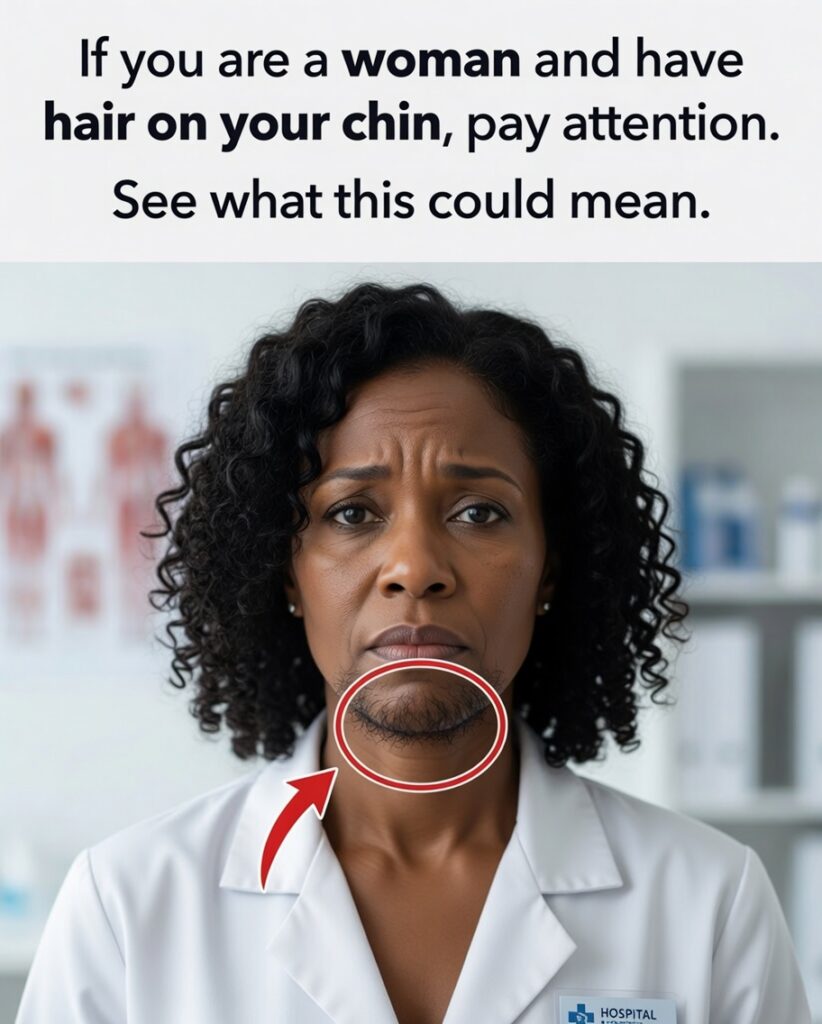
Chin Hair in Women: A Quiet Sign of Hormonal Imbalance? Learn How to Fix It Naturally
Noticing a few hairs on your chin can feel unsettling—especially if you’ve always felt confident about your appearance. It often triggers an immediate question: Is this just normal, or is my body trying to tell me something?
The truth is that chin hair is far more common than many women realize, and in most cases it’s completely harmless. Still, understanding why it happens can bring peace of mind and help you make smarter choices for your health.
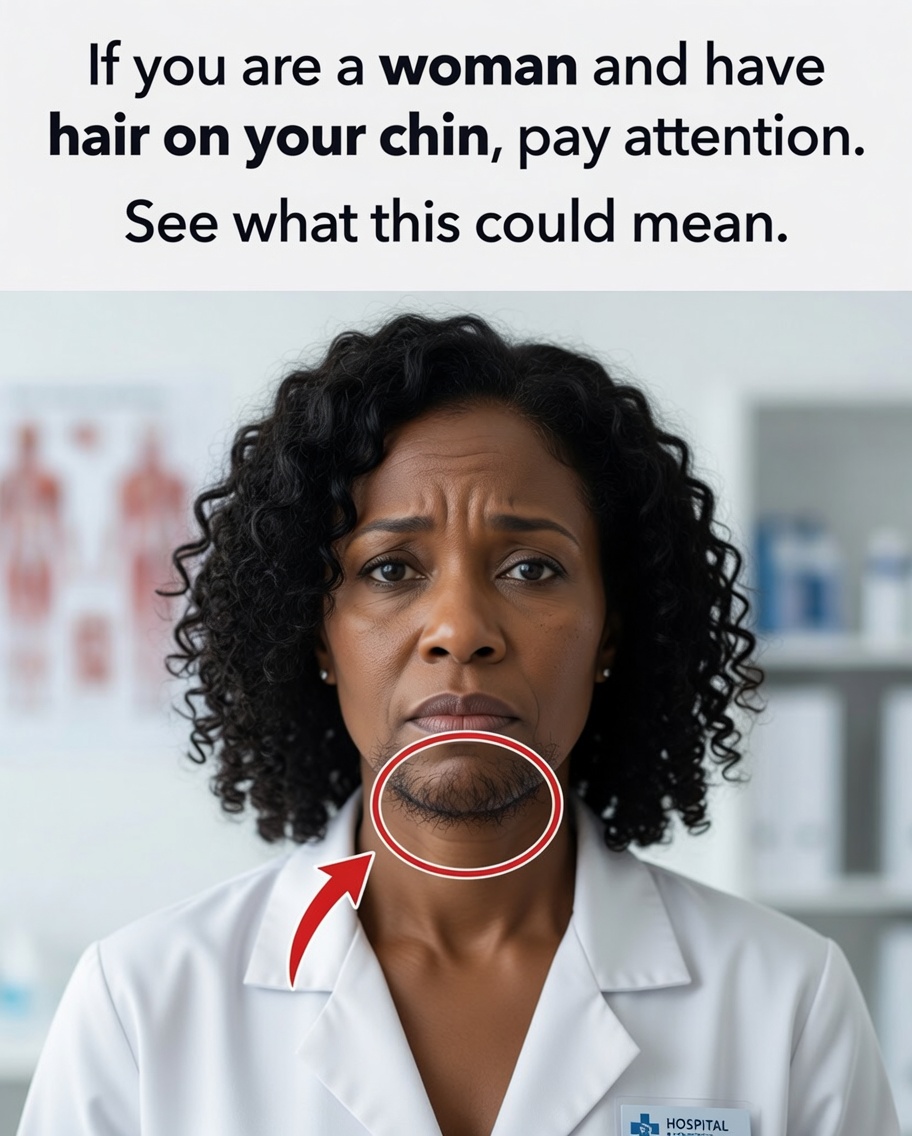
What many people overlook is that, in some situations, chin hair can reflect shifts in hormonal balance. Paying attention early can help you address potential issues before they become more noticeable.
Is It Normal to Have Chin Hair?
Yes—having a few chin hairs can be totally normal. Hair growth patterns differ widely based on:
- Genetics
- Ethnic background
- Natural hormone levels
- Individual sensitivity to androgens (such as testosterone)
Some women simply have hair follicles that respond more strongly to small amounts of androgens, even when hormone levels are within a normal range.
That said, changes matter. One or two isolated hairs usually aren’t a concern. But if the hair becomes thicker, darker, or starts appearing in larger numbers, it’s worth looking into what may be happening internally.
Common Causes of Chin Hair Growth
The most frequent explanation is a hormonal shift—especially increased androgen activity or increased sensitivity to androgens.
1) Everyday Hormonal Fluctuations
Daily life can affect hormones more than you’d think. Common triggers include:
- Chronic stress
- Poor sleep
- Menstrual cycle changes
Long-term stress can raise cortisol, which may indirectly influence androgen-related activity and contribute to facial hair growth.
2) Polycystic Ovary Syndrome (PCOS)
PCOS is one of the most common causes of facial hair in women. It may also be associated with:
- Irregular periods
- Persistent acne
- Weight gain around the abdomen
- Thinning hair on the scalp
3) Perimenopause and Menopause
As estrogen levels decline, androgens can become more “dominant” in effect. This hormonal shift can make facial hair—especially on the chin—more noticeable.
4) Genetics
If women in your family tend to develop chin hair, you may have a hereditary predisposition. In these cases, it can be a normal trait rather than a medical issue.
5) Medications
Some medications and treatments may increase hair growth as a side effect. If chin hair started after a medication change, consider discussing it with a clinician.
When Should You Be Concerned?
Most of the time, there’s no reason to panic. However, consider getting medical advice if you notice:
- Sudden or rapid hair growth
- Hair becoming significantly thicker and darker
- Menstrual cycle changes
- Severe acne or unexplained weight gain
- New hair growth on the chest, abdomen, or other areas
These signs may indicate a hormonal imbalance that deserves professional evaluation.
Safe Ways to Remove Chin Hair
There are several effective and skin-friendly options, depending on your needs and how many hairs you’re dealing with.
Temporary Options
- Tweezing: best for a small number of hairs
- Waxing or threading: helpful for removing multiple hairs at once
- Gentle shaving: safe when done properly with good hygiene and a clean razor
Longer-Lasting Options
- Laser hair removal: reduces growth over time (results vary by hair and skin type)
- Electrolysis: targets individual follicles and can offer permanent removal
In addition to removal methods, supporting hormonal balance naturally may reduce new growth in some cases.
A Natural 5-Step Plan to Support Hormonal Balance
If you suspect hormones may be playing a role, these habits can help support overall hormonal health:
- Track your cycle and symptoms (hair changes, acne, mood, energy, sleep)
- Choose a whole-food diet rich in fiber, healthy fats, and quality protein
- Move your body regularly with strength training, walking, or other consistent activity
- Prioritize sleep and stress reduction (deep breathing, meditation, relaxation routines)
- Consult a professional if changes persist or worsen over time
Final Thoughts
Chin hair is often just a normal variation of the female body. But sometimes it’s a small signal that your body may need extra attention—especially when paired with other symptoms.
The best approach is calm awareness, not fear. Your body communicates constantly. Learning to read those messages is one of the most practical forms of self-care.
Frequently Asked Questions (FAQ)
Is it normal to have chin hair?
Yes. It’s often related to genetics and normal hormonal activity.
Can stress cause chin hair?
Yes. Stress can affect hormonal regulation and may contribute indirectly to increased hair growth.
What is the safest way to remove it?
Tweezing, waxing, threading, or shaving can all be safe when done with proper hygiene and skin care.
Disclaimer: This content is for informational purposes only and does not replace professional medical advice. If you have concerns or persistent symptoms, consult a qualified healthcare provider.