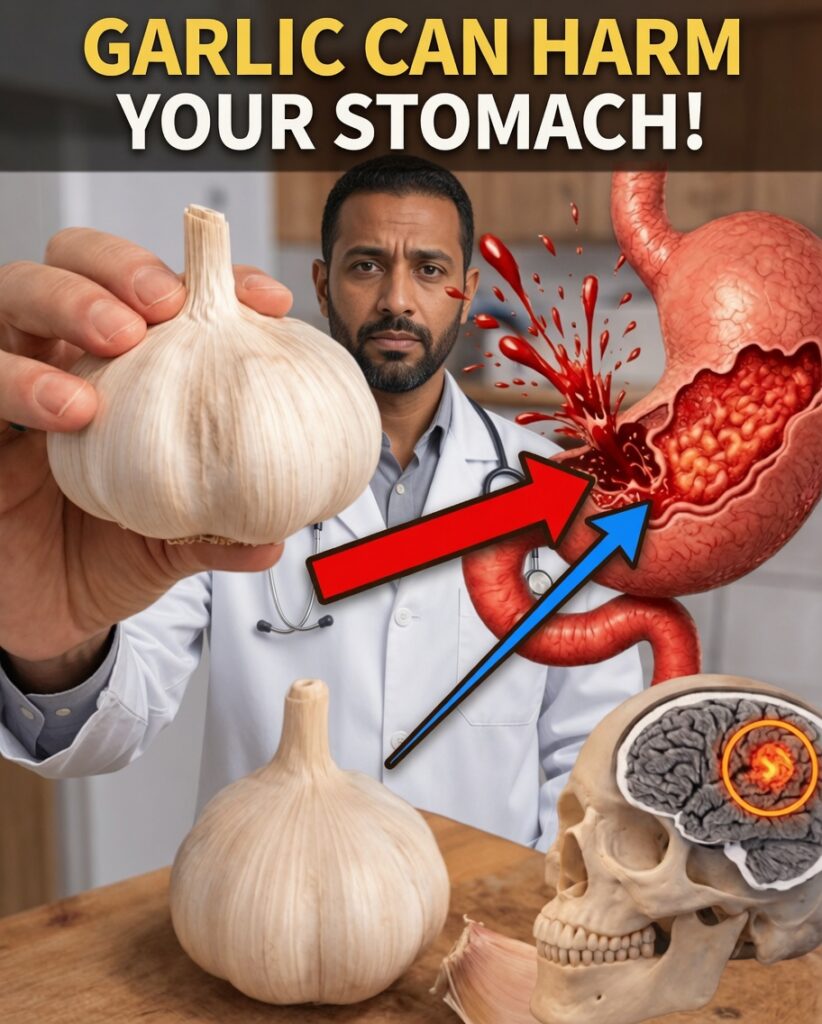
This Common Garlic Mistake May Be Behind Your Bloating and Heartburn — Here’s How to Turn It Into a Digestive Ally
Garlic is a go-to ingredient for bold flavor and widely known health benefits. Yet small everyday habits can quietly reduce its value—or even trigger unpleasant issues like heartburn, bloating, and persistent bad breath.
The encouraging part: a few simple adjustments can completely change how your body responds to garlic. Read to the end, because the last mistake is often the most overlooked—and it can permanently improve the way you use this everyday staple.
Why Garlic Deserves a Place in Your Diet
Garlic has been valued for centuries thanks to its natural compounds—especially sulfur-based components like allicin, which forms when garlic is chopped, crushed, or minced. Research suggests these compounds may support:
- Heart health
- Immune function
- Antioxidant defense
But there’s a catch: how you prepare and consume garlic largely determines how much benefit you actually get—and how well your stomach tolerates it.
Mistake #1: Cooking Garlic Immediately After Cutting It
If you chop garlic and put it straight into the pan, you may not give it enough time to fully develop allicin.
What to do instead:
After crushing or chopping, let garlic rest for 10–15 minutes before heating it.
Mistake #2: Swallowing Whole Cloves or Using Large Chunks
Whole cloves don’t release active compounds effectively, so you may miss many of the potential benefits.
Better approach:
- Always crush, mince, or finely chop fresh garlic
- Don’t rely only on garlic powder or heavily processed options when you want maximum potency
Mistake #3: Eating Too Much Raw Garlic at Once (Especially on an Empty Stomach)
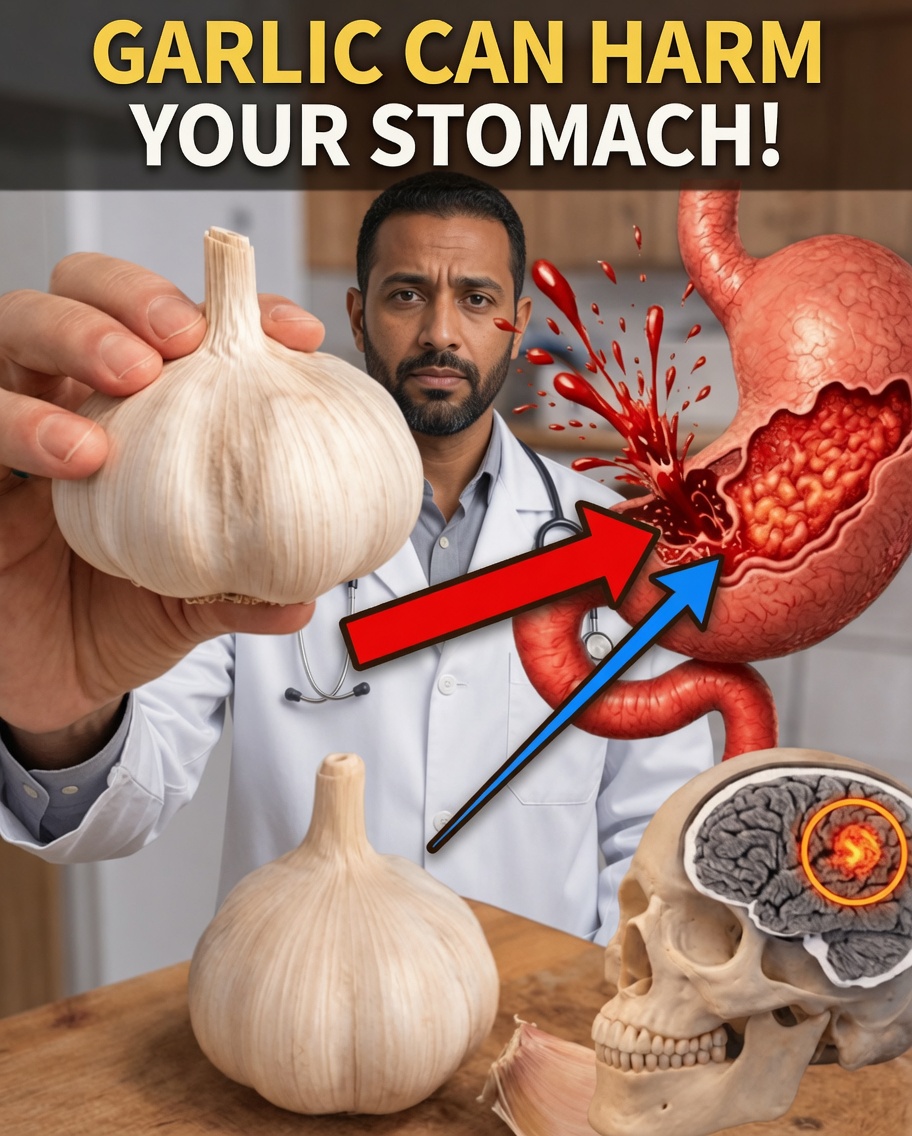
Raw garlic can be powerful—but it can also be harsh. In sensitive people, large amounts may irritate the stomach lining and lead to burning or discomfort.
Gentler strategy:
- Start with small portions
- Eat garlic with meals, not on an empty stomach (especially if you’re prone to reflux)
Mistake #4: Overcooking Garlic Until It Burns
High heat and long cooking times can break down beneficial compounds and turn garlic bitter.
Use this cooking tip:
- Sauté briefly on low heat
- Or add garlic toward the end of cooking to preserve flavor and tolerability
Mistake #5: Ignoring Your Body’s Sensitivity Signals
Not everyone responds to garlic the same way. Some people experience:
- Excess gas or digestive upset
- Strong body odor
- Mouth irritation or worsening reflux
Important safety note: If you take blood thinners or have an upcoming surgery, speak with a healthcare professional before significantly increasing garlic intake.
Mistake #6: Storing Garlic the Wrong Way
Improper storage can affect both quality and safety. For example, storing garlic in oil at room temperature for extended periods can be risky.
Best storage practices:
- Keep garlic in a cool, dry, well-ventilated place
- Use separated cloves within 1–2 weeks
- Store peeled garlic in the refrigerator
Mistake #7: Using Old or Low-Quality Garlic
Soft bulbs, sprouting cloves, or any sign of mold usually means the garlic has lost freshness and may offer fewer benefits.
Quick buying guide: Choose bulbs that are:
- Firm
- Heavy for their size
- Strong-smelling (a good sign of potency)
Mistake #8: Treating Garlic Like a One-Ingredient Fix
Garlic can support health, but it can’t replace balanced nutrition. Long-term wellness comes from consistent habits, not extreme doses of a single food.
Remember: Real results come from an overall healthy diet and routine—not overdoing one “superfood.”
A Simple Daily Garlic Routine (Easy and Effective)
Try this practical method for everyday use:
- Use 1–2 fresh cloves per day
- Crush or mince, then wait 10 minutes
- Mix into salads, vegetables, soups, or sauces
- If you’re sensitive, avoid eating it on an empty stomach
Extra Tips for Better Flavor and Less Bad Breath
- Blend garlic with olive oil and herbs for a natural dressing
- Roast garlic for a milder, sweeter taste
- Pair it with lemon or parsley to help reduce garlic breath
Conclusion
Garlic can be a powerful natural ally—especially when you prepare it correctly. Small changes in timing, portion size, cooking method, and storage can make a noticeable difference in both digestive comfort and overall benefits.
Apply these tips today, and you may find garlic becomes easier on your stomach while still delivering its signature flavor and value.
FAQ
-
How much garlic can I eat per day?
For most people, 1–2 cloves daily is typically enough. -
Is raw garlic better than cooked garlic?
Raw garlic often retains more active compounds, but cooked garlic is usually easier on digestion. -
Can garlic cause heartburn?
Yes, for some individuals. Use smaller amounts and eat it with food to reduce the risk.
Disclaimer: This content is for informational purposes only and is not a substitute for medical advice. Consult a qualified healthcare professional before making significant changes to your diet.