Weak, Lifeless Hair? Ginger May Help Strengthen It From the Roots
Are you tired of slow hair growth or a dry, dull scalp? Have you tried product after product without seeing real change? Sometimes, the answer isn’t another expensive bottle—it may be something surprisingly simple, possibly already in your kitchen.
Here’s an interesting fact: a common root has been used for generations in traditional hair care routines, and this straightforward approach is trending again. Read on to learn how to use ginger for hair safely and naturally.
Why Scalp Health Matters for Strong Hair
Your scalp is the foundation for healthy, shiny hair. When it’s balanced, hydrated, and well-nourished, hair is more likely to grow with strength and vitality.
Ginger—widely known as a culinary ingredient—contains natural compounds such as gingerol, which is recognized for its antioxidant and anti-inflammatory properties. Research suggests ginger may help soothe the scalp and support blood circulation, potentially improving nutrient delivery to hair follicles.
Ginger also has antimicrobial qualities, which may help keep the scalp cleaner and more comfortable by reducing excess oil, dandruff, and irritation.
What Research Says About Ginger for Hair
In traditional Asian medicine, ginger has long been used to support scalp care. More recently, modern studies have started exploring its potential effects.
Some laboratory findings suggest ginger compounds may help reduce oxidative stress and support a healthier scalp environment. That said, results are mixed, and ginger is not a miracle cure for hair loss or thinning.
Still, its natural profile makes ginger an appealing option for people looking for a gentler, more natural addition to their hair care routine.
How to Use Ginger on Your Hair (Twice a Week)
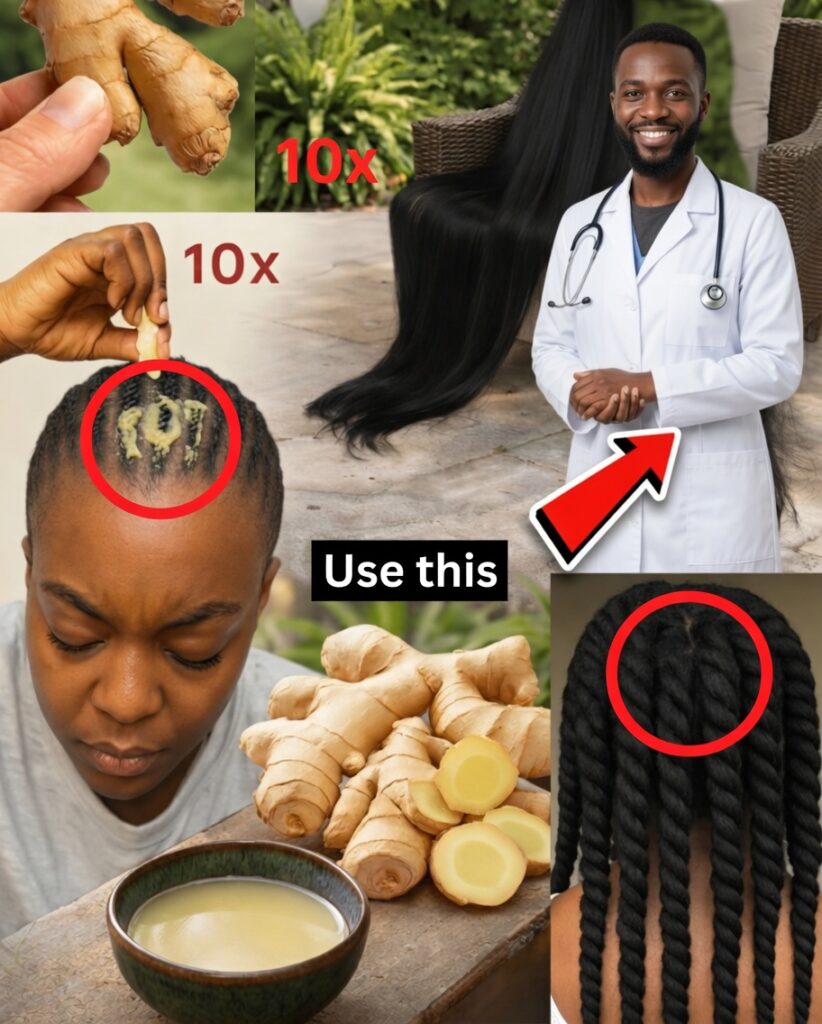
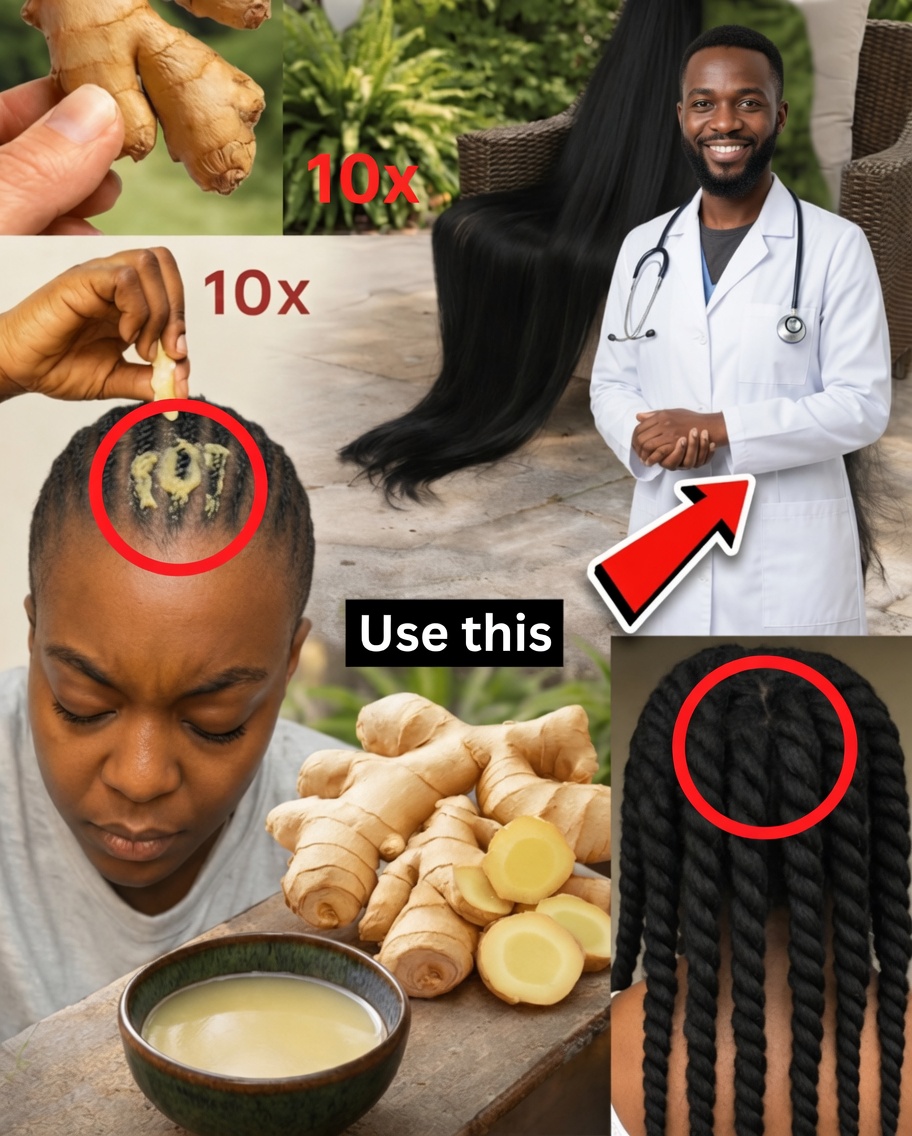
One of the most popular methods is applying fresh ginger juice directly to the scalp.
How to Prepare Fresh Ginger Juice
- Take a piece of fresh ginger (about 5–7 cm / 2–3 inches)
- Peel it carefully
- Grate or blend it into a paste
- Strain through a clean cloth to extract the juice (2–3 tablespoons)
Optional: Mix the juice with coconut oil or olive oil to make it gentler on the scalp.
How to Apply
- Apply the ginger juice to your scalp using clean fingers or a cotton pad
- Massage gently for 5–10 minutes
- Leave it on for 20–30 minutes
- Wash with a mild shampoo and finish with conditioner
Use twice per week to avoid dryness or irritation.
Simple Variations to Enhance Results
- Ginger + aloe vera: adds extra hydration and comfort
- Ginger + honey: may boost softness and shine
- Diluted with water: use as a final rinse for a lighter application
Benefits You May Notice With Consistent Use
With regular use, many people report:
- Softer, shinier hair
- Less scalp itchiness
- Reduced dandruff
- An overall healthier hair feel
Keep in mind: results vary depending on diet, genetics, stress levels, and your overall hair routine.
Important Safety Tips Before You Start
- Do a patch test before first use
- Dilute if your skin is sensitive
- Avoid contact with eyes, irritated areas, or open wounds
- Don’t increase frequency—more is not always better
- If symptoms persist, consult a dermatologist or hair professional
Frequently Asked Questions
When will I see results?
Many people notice scalp improvements within 4–6 weeks. Visible hair changes can take longer.
Can I use ginger on my scalp every day?
It’s not recommended. Two times per week is a safer routine for most people.
Is ginger safe for dyed or treated hair?
Usually yes, but it’s best to dilute and test first—especially if your scalp is sensitive after chemical treatments.
Final Thoughts
Trying natural remedies like ginger for hair and scalp care can be a simple, budget-friendly way to support healthier-looking hair. It won’t deliver overnight results, but it can be a useful complement to a consistent routine.
Start slowly, stay consistent, and pay attention to how your scalp and hair respond over time.