Weak Hair, Brittle Nails, and Body Aches? It Could Be Low Collagen—Fix It with Food, Not Pills
Have you noticed your skin looking less firm, with fine lines appearing little by little? Maybe your hair feels thinner or weaker, your nails break easily, and your joints seem stiffer than they used to be. It’s frustrating—and it can impact your confidence in everyday life. But what if the answer isn’t expensive creams or invasive treatments… and is actually on your plate?
Certain simple, collagen-boosting foods can support your body’s natural collagen production. Read to the end—you’ll also learn one powerful daily habit that can help speed up your results.
Why Collagen Matters So Much
Collagen is the most abundant protein in the human body. Think of it as an “invisible framework” that helps keep:
- Skin firm and elastic
- Hair strong
- Nails more resilient
- Joints supported and comfortable
From around age 25, collagen production typically starts to decline by about 1% per year.
The good news: research suggests that specific nutrients and foods can help stimulate collagen synthesis naturally, supporting skin elasticity, hydration, and joint comfort—without aggressive interventions.
The 10 Best Foods to Support Collagen Production
1. Bone broth
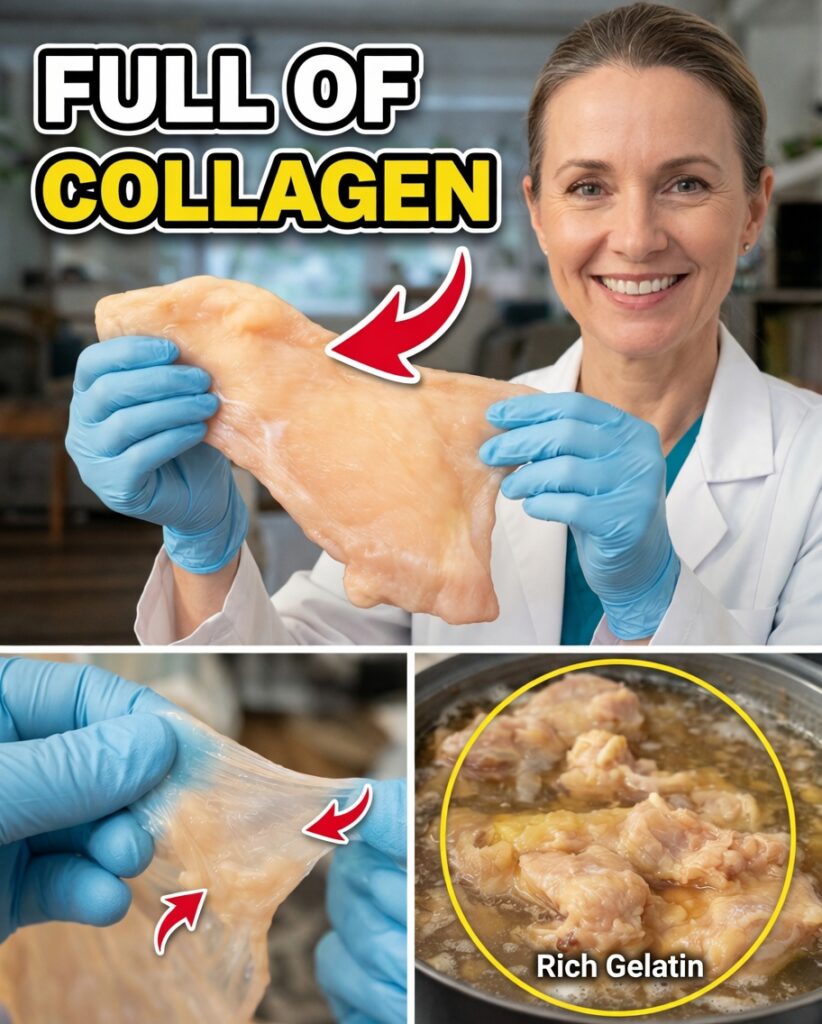
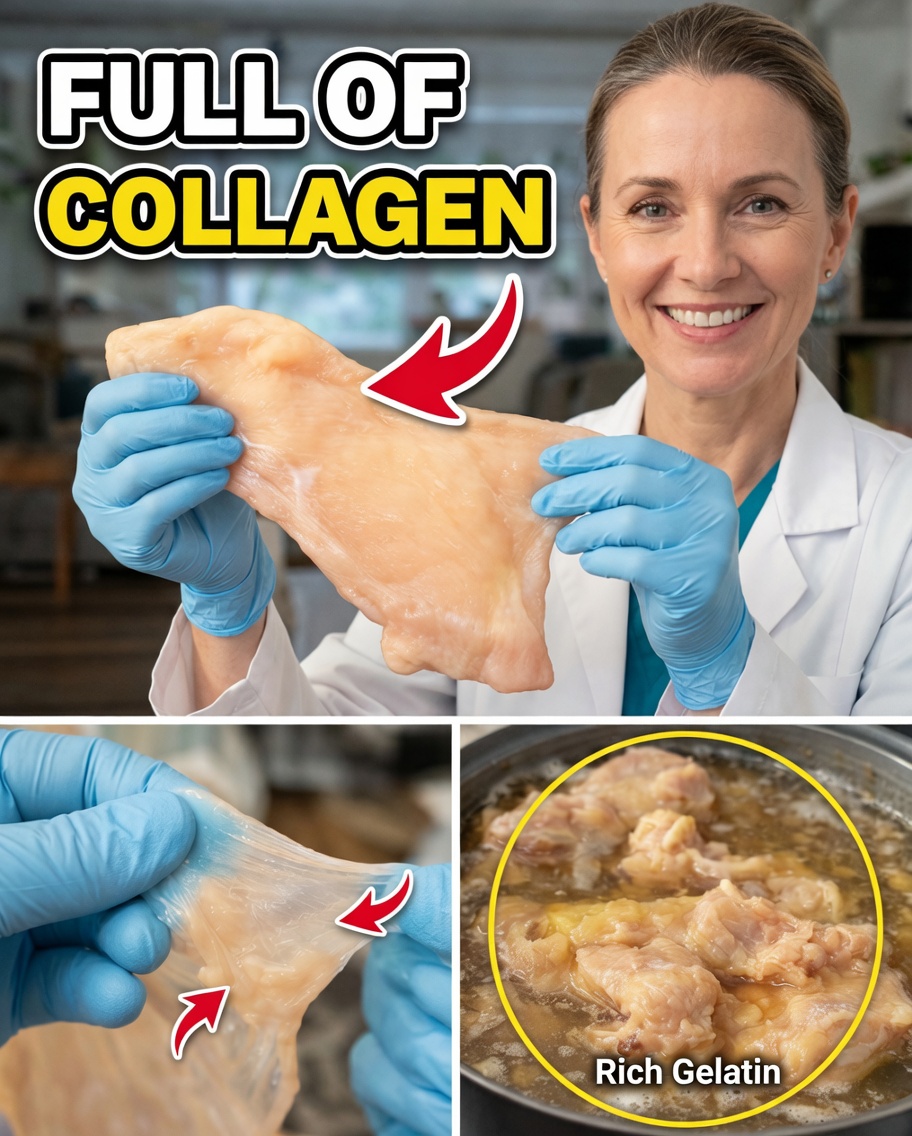
Naturally rich in gelatin (a form of collagen), bone broth is easy to use in meals and is commonly associated with skin and joint support.
2. Chicken (especially with skin)
Chicken skin and connective tissue are natural sources of collagen, including types often linked to skin and joint structures.
3. Skin-on fish (such as salmon)
Fish skin provides marine collagen, and salmon also contains omega-3 fatty acids that may help support skin firmness by reducing inflammation.
4. Egg whites
Egg whites contain proline—an amino acid your body uses as a building block for collagen.
5. Citrus fruits (orange, lemon, etc.)
Vitamin C is essential for collagen synthesis. Without enough vitamin C, your body can’t efficiently produce collagen.
6. Berries (strawberries, blueberries)
Berries are packed with antioxidants that can help protect collagen from oxidative stress linked to premature aging.
7. Green vegetables (spinach, kale, broccoli)
Many greens provide vitamin C and chlorophyll—nutrients often associated with supporting collagen production and skin health.
8. Bell peppers (especially red)
Red bell peppers are among the richest dietary sources of vitamin C, making them excellent collagen-support foods.
9. Garlic
Garlic contains sulfur compounds that may help support collagen structure and connective tissue integrity.
10. Nuts and beans
These foods provide zinc and copper—minerals needed to activate enzymes involved in collagen formation.
Key tip: Pair animal-based sources (direct collagen and amino acids) with plant-based foods (vitamins and minerals) to enhance collagen-support benefits.
How to Add These Foods to Your Routine (5 Simple Steps)
- Start your morning with bone broth or eggs
- Match protein with vitamin C (example: fish + a salad with bell peppers)
- Snack on berries and a handful of nuts
- Cook with skin-on meats when possible
- Aim for at least 3–4 collagen-support foods daily
A Powerful Daily Habit: A “Natural Collagen Smoothie” in the Morning
Try this quick morning blend to stack collagen-friendly nutrients:
- Bone broth
- Mixed berries
- A squeeze of lemon
- A handful of spinach
Simple, fast, and nutrient-dense.
Conclusion
Small dietary changes can lead to noticeable improvements over time. By nourishing your body with the right collagen-boosting foods, you support beauty from the inside out—healthier-looking skin, stronger hair, and more comfortable joints.
Start today with just 1–2 of these foods, stay consistent, and watch what changes over the coming weeks.
Frequently Asked Questions
1. How long until I see results?
With consistent intake, many people notice changes in about 4 to 8 weeks.
2. Is this better than supplements?
Whole foods deliver a broader range of nutrients and can be easier to sustain long term.
3. What should I avoid to protect collagen?
Limit excess sugar and ultra-processed foods, which are linked to collagen breakdown and accelerated aging.
Disclaimer: This content is for informational purposes only and does not replace medical advice. Consult a qualified healthcare professional before making significant dietary changes.