Apricot Kernels and Cancer: What Seniors Need to Know
Many people—especially older adults searching for simple, low-cost ways to support their health—come across claims that apricot kernels can prevent or treat cancer. When facing a frightening illness, it’s completely understandable to look for natural options that feel less harsh and more “in your control.”
However, this is crucial to understand: although apricot kernels contain amygdalin (often marketed as “vitamin B17” in alternative health communities), major cancer organizations and scientific reviews have found no reliable evidence that they help treat or prevent cancer in humans. Even more concerning, eating them can release cyanide in the body, which carries very real safety risks.
This article explains what apricot kernels are, why they are linked to cancer claims, what the research actually shows, and safer, science-backed ways for seniors to support overall health and reduce cancer risk through everyday habits.
What Are Apricot Kernels and Why Are They So Popular?
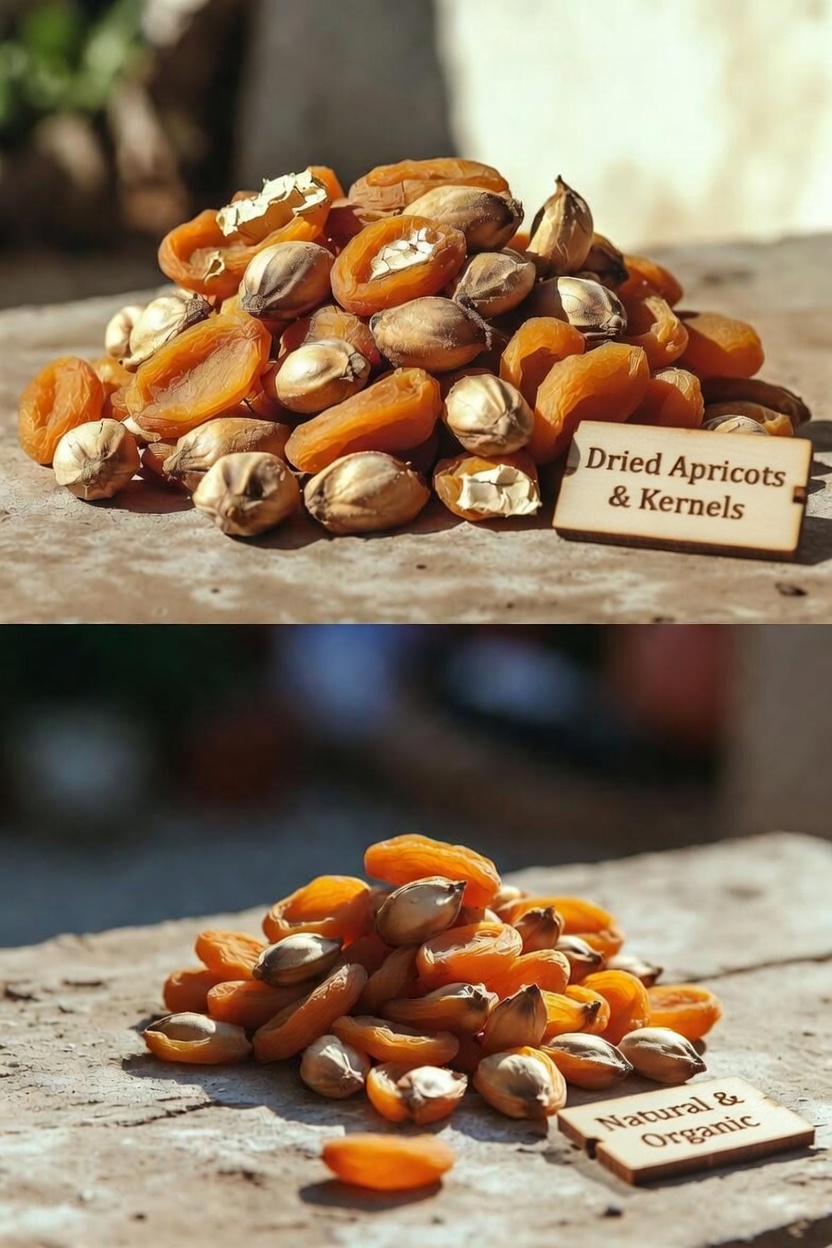
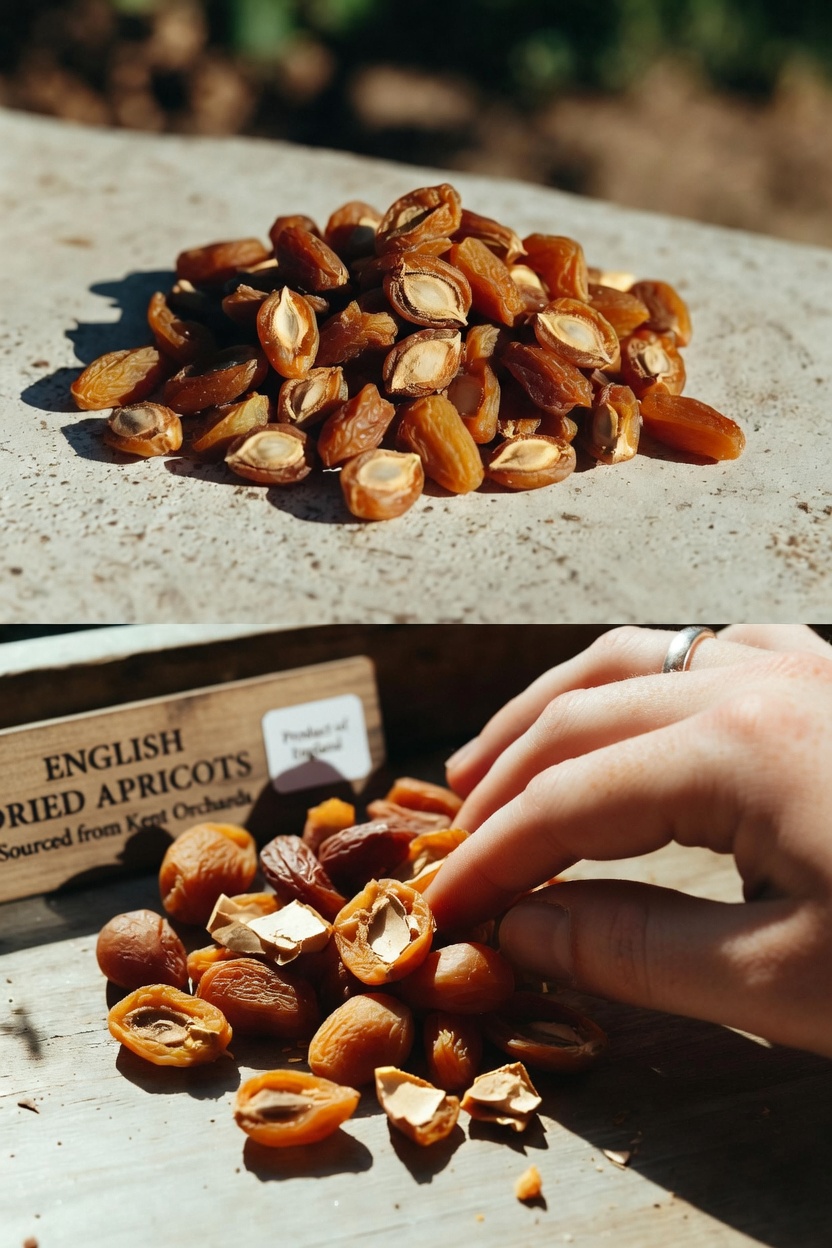
Apricot kernels are the seeds located inside the hard pit of an apricot. There are two main types:
- Sweet apricot kernels – from common eating apricots; they contain relatively low levels of certain compounds.
- Bitter apricot kernels – higher in amygdalin, the compound most often associated with “anti-cancer” claims.
Amygdalin is a cyanogenic glycoside, meaning that when it’s chewed and digested, it can break down into hydrogen cyanide, a poisonous substance. Supporters of apricot kernel therapy argue that this cyanide somehow targets cancer cells more than healthy cells because of differences in enzyme activity.
This concept gained attention decades ago with laetrile, a semi-synthetic form of amygdalin, promoted in the 1970s as an alternative cancer treatment.
Much of the excitement comes from:
- Laboratory (test-tube) studies showing amygdalin can kill certain cancer cells.
- Animal studies suggesting possible effects in controlled environments.
However, results from test tubes or animals do not automatically translate into safe and effective treatments for human beings.
What Research Really Says About Apricot Kernels and Cancer
Leading cancer and health organizations—including the National Cancer Institute, Cancer Research UK, and Memorial Sloan Kettering Cancer Center—have examined the evidence on apricot kernels, amygdalin, and laetrile.
Their conclusions are consistent:
-
Human clinical trials show no meaningful benefit.
- A major study published in the New England Journal of Medicine in 1982 tested laetrile/amygdalin in people with cancer.
- The results showed no tumor shrinkage, no symptom relief, and no improvement in survival.
-
Lab and animal results do not translate into real-world cancer treatment.
- While some lab studies show amygdalin can trigger cell death (apoptosis) in certain cancer cells, the human body processes this compound differently.
- In real patients, these effects do not appear in a safe or effective way.
-
No respected health authority recommends apricot kernels for cancer.
- Apricot kernels, amygdalin, or laetrile are not approved as cancer treatments by mainstream medical or regulatory bodies.
- Claims of rapid cures or dramatic results (such as “cancer gone in 24 hours”) are not supported by credible research.
Relying on unproven remedies can also delay or replace proven medical treatments, which may worsen outcomes—especially for older adults.
The Real Danger: Cyanide Poisoning From Bitter Apricot Kernels
The problem with apricot kernels is not just that they lack proven benefit; it’s that they can cause harm.
When you consume bitter apricot kernels, enzymes in your digestive system convert amygdalin into cyanide. Even relatively small amounts can lead to poisoning.
Possible symptoms include:
- Headache and nausea
- Dizziness and confusion
- Rapid or difficult breathing
- Low blood pressure
- Irregular heartbeat, seizures, or even death in severe cases
Health and safety agencies warn that:
- Adults should avoid or strictly limit bitter apricot kernels.
- Older adults may be at greater risk because metabolism often slows with age and they may take medications that affect processing of toxins.
- Children, pregnant, and breastfeeding individuals are at particularly high risk and should not consume bitter kernels.
Regulators such as the U.S. Food and Drug Administration (FDA) and similar agencies in other countries have issued warnings or taken action against products claiming apricot kernels or laetrile can cure cancer. These interventions highlight that “natural” does not automatically mean “safe.”
Healthier, Evidence-Based Ways to Support Your Body as You Age
Instead of experimenting with harmful or unproven “natural cancer cures,” it is much safer and more effective to focus on daily habits that have strong scientific support. These strategies are affordable, practical, and especially valuable for seniors.
Key evidence-based habits include:
-
Eat a colorful, plant-focused diet
Choose a variety of fruits, vegetables, whole grains, beans, and lentils.
Foods such as berries, leafy greens, broccoli, cauliflower, and citrus fruits are rich in fiber and antioxidants that protect cells from damage. -
Move your body every day
Activities like walking, gentle stretching, gardening, or chair exercises help manage weight, support heart health, reduce inflammation, and boost immune function. -
Protect your sleep and manage stress
Aim for about 7–9 hours of sleep per night when possible.
Techniques like deep breathing, meditation, or light yoga can help lower chronic stress, which is linked with many health problems. -
Limit known risk factors
- Cut back on heavily processed foods high in sugar and unhealthy fats.
- Avoid smoking and limit alcohol intake, both clearly associated with higher cancer risk.
-
Keep up with medical check-ups and screenings
Routine visits and age-appropriate screenings (such as mammograms, colonoscopies, or prostate checks) help catch issues early, when they are more treatable.
Over time, these small, consistent steps can do far more for your health than any single “miracle” food or supplement.
Simple Daily Changes You Can Start Right Now
To make healthy habits easier to adopt, start with small, realistic changes:
- Add one more serving of fruits or vegetables to each meal.
- Take a 15–20 minute walk after meals if you’re able—this supports digestion, blood sugar control, and circulation.
- Drink enough water throughout the day to stay well hydrated; this naturally supports the body’s detoxification systems.
- Choose healthy fats such as olive oil, nuts (excluding bitter apricot kernels), seeds, and avocados for heart and brain health.
- Talk to your doctor before making big diet changes or starting supplements, especially if you take medications or have chronic conditions.
These are realistic, affordable steps that can improve how you feel day to day and support long-term health.
Conclusion: Focus on What Truly Works
Apricot kernels have attracted attention because they’re natural, inexpensive, and easy to find. However, scientific evidence does not support them as a safe or effective cancer treatment or prevention method. The risk of cyanide poisoning, particularly from bitter kernels, makes them something to approach with extreme caution—or avoid altogether.
Real wellness comes from sustained, balanced habits backed by research, not quick-fix promises or dramatic online testimonials. If you have concerns about cancer or your overall health, work closely with your healthcare team. You deserve guidance that is both compassionate and grounded in solid evidence.
Small positive changes—healthy food, movement, sleep, stress management, and regular check-ups—can genuinely improve quality of life and help you feel more in control in a safe way.
Frequently Asked Questions
Are apricot kernels the same as the seeds in regular fresh apricots?
Not exactly. Sweet apricot kernels, which come from common eating apricots, contain much lower levels of amygdalin and are sometimes used in small amounts in foods. Bitter apricot kernels, the type usually promoted for cancer, contain much higher levels of amygdalin and pose a greater cyanide risk. These bitter kernels are not recommended.
Can I get similar benefits by eating fresh apricots instead?
Fresh apricots are a healthy choice and do not carry the cyanide risk associated with bitter kernels. They provide:
- Vitamin A
- Vitamin C
- Fiber
- Natural antioxidants
Enjoying apricots as part of a balanced diet is a safe, tasty way to support overall health.
What should I do if I’ve eaten bitter apricot kernels and feel sick?
If you have eaten bitter apricot kernels and notice symptoms such as nausea, vomiting, dizziness, headache, confusion, or trouble breathing:
- Seek medical attention immediately.
- Cyanide poisoning can progress quickly and requires prompt treatment.
Always inform healthcare professionals exactly what and how much you consumed so they can respond appropriately.