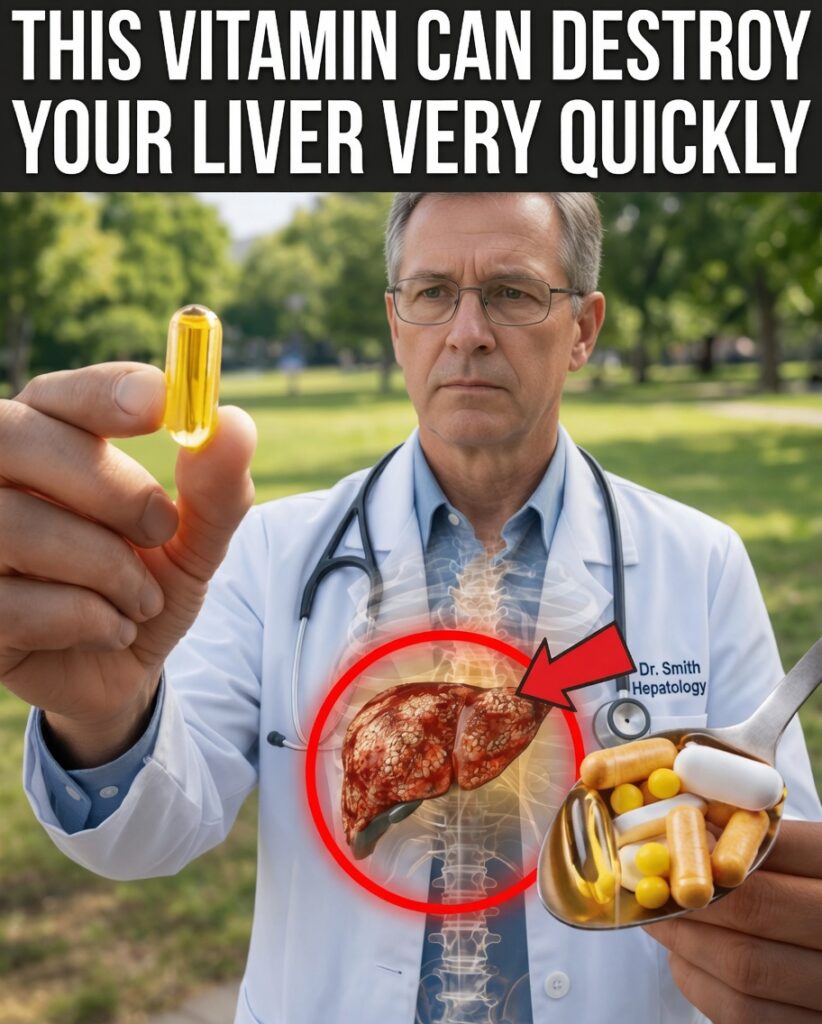
Trying to Improve Your Health—But Could You Be Overloading Your Liver Without Realizing It?
Many people turn to vitamins and dietary supplements to boost wellness and fill nutritional gaps. It sounds like a safe, smart choice—but does “more” actually mean “better”? Keep reading to the end: one simple approach can help safeguard your vital organs.
Your liver and kidneys do heavy daily work. They help filter toxins, balance fluids, and process what you eat and drink. When supplement use becomes excessive—especially with multiple products at once—these organs can become overworked, raising the risk of avoidable health issues.
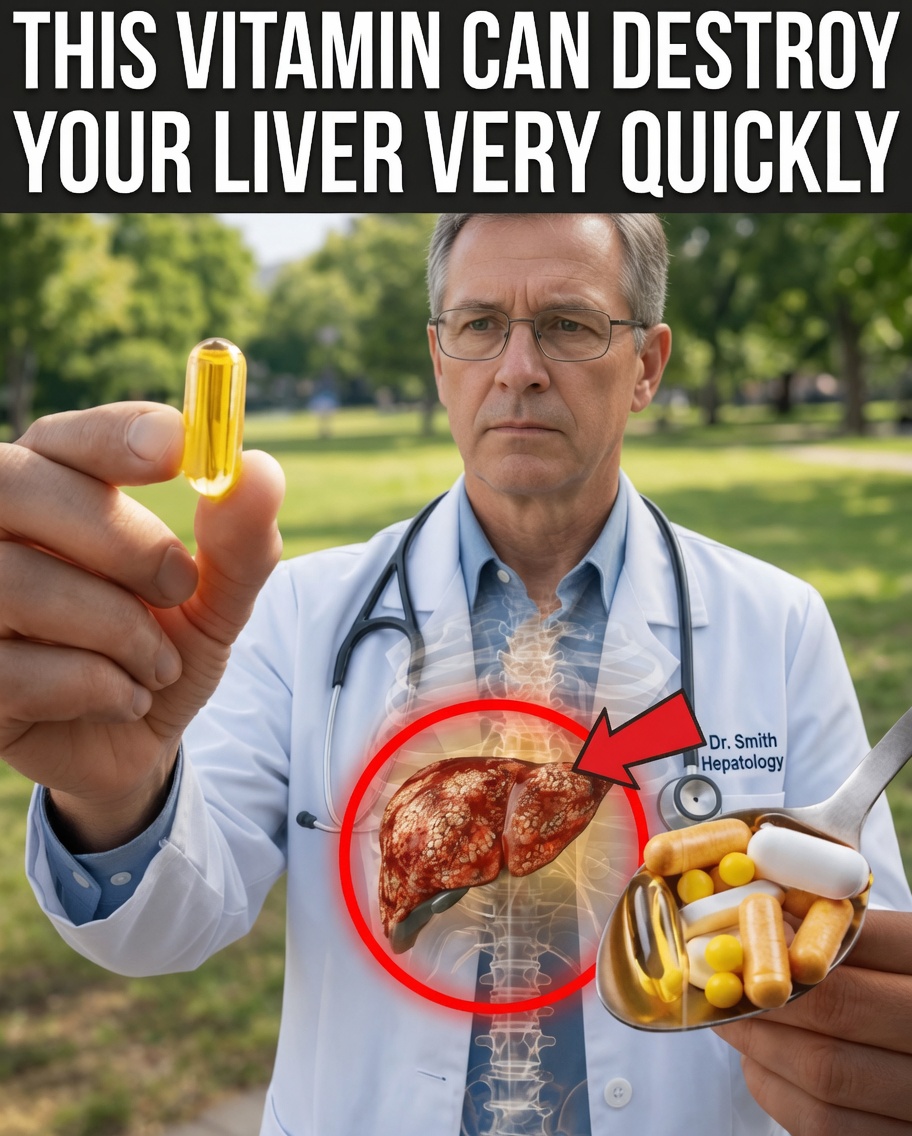
How Supplements Can Affect the Liver and Kidneys
Unlike prescription medications, many supplements are not strictly regulated in terms of purity, dosage accuracy, or long-term safety. Some nutrients—especially fat-soluble vitamins like A and D—can build up in the body over time. Others may overwhelm the body’s normal processing capacity when taken in high amounts.
Risk increases further when factors like age, existing medical conditions, and stacking multiple supplements come into play.
Supplements Most Commonly Linked to Liver or Kidney Strain
1. Vitamin A
Vitamin A supports vision and immune function, but excess intake can accumulate in the liver. Over time, this may contribute to fatigue, dry skin, and joint discomfort.
2. Niacin (Vitamin B3)
Niacin may help manage cholesterol, yet high doses can raise liver enzymes. Long-term or high-dose use should be approached carefully.
3. Vitamin D
Vitamin D is crucial for bone health, but too much can increase calcium levels in the blood, potentially placing extra stress on the kidneys.
4. Green Tea Extract
Green tea contains antioxidants, but highly concentrated extracts—especially in large doses—have been linked to liver stress in some cases.
5. Turmeric (Curcumin)
Curcumin is known for anti-inflammatory benefits. However, extremely high doses may affect liver and kidney function, particularly in sensitive individuals.
6. Iron
Iron is essential for healthy blood, but excess iron can accumulate in the body and may harm the liver.
7. Vitamin C
Very high doses may increase the risk of kidney stones in people who are prone to them.
8. Kava
Often used to support stress or anxiety, kava has been associated with liver damage in certain cases.
9. Protein and Creatine
Popular for muscle gain and athletic performance, excessive intake may place added strain on the kidneys, especially if kidney function is already compromised.
Warning Signs You Shouldn’t Ignore
Watch for potential red flags, including:
- Persistent fatigue
- Yellowing of the skin or eyes
- Dark urine
- Abdominal swelling or pain
If you notice any of these symptoms, seek medical advice promptly.
How to Protect Your Body Naturally
You don’t have to avoid supplements entirely—just use them more strategically. Practical steps include:
- Get lab tests before supplementing
- Read labels carefully, including total daily amounts
- Start with low doses and adjust only if necessary
- Prioritize whole foods as your main nutrient source
- Consult a qualified healthcare professional
- Avoid long-term high-dose use unless medically indicated
- Drink enough water to support kidney function
Conclusion
Supplements can be helpful, but the real key is balance. Thoughtful, informed use helps protect your liver and kidneys while you work toward a healthier life.