Could Traditional Fats Improve Digestion and Reduce Oxidative Stress?
Could going back to traditional cooking fats actually support your digestion and reduce oxidative stress in the body? The answer might surprise you.
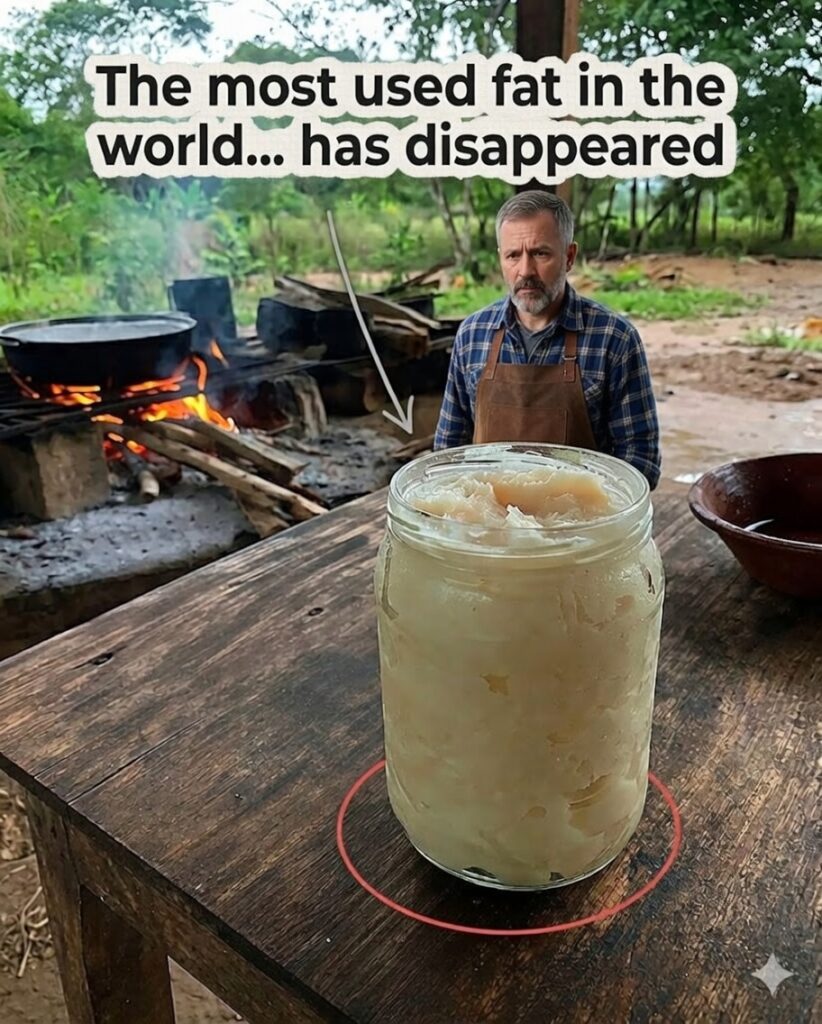
For hundreds of years, one fat dominated kitchens around the world: lard. No glossy packaging, no nutrition labels, no marketing campaigns—just a simple fat made by gently rendering pork fat over heat.
Over time, this old-fashioned ingredient was steadily replaced by modern industrial seed and vegetable oils such as soybean, corn, and canola oil. Today, the conversation is shifting again:
Is lard really less healthy than vegetable oils—or are we rediscovering a misunderstood traditional fat?
In this article, we’ll look at its history, potential benefits, common misconceptions, and what current science actually suggests.
What Exactly Is Lard?
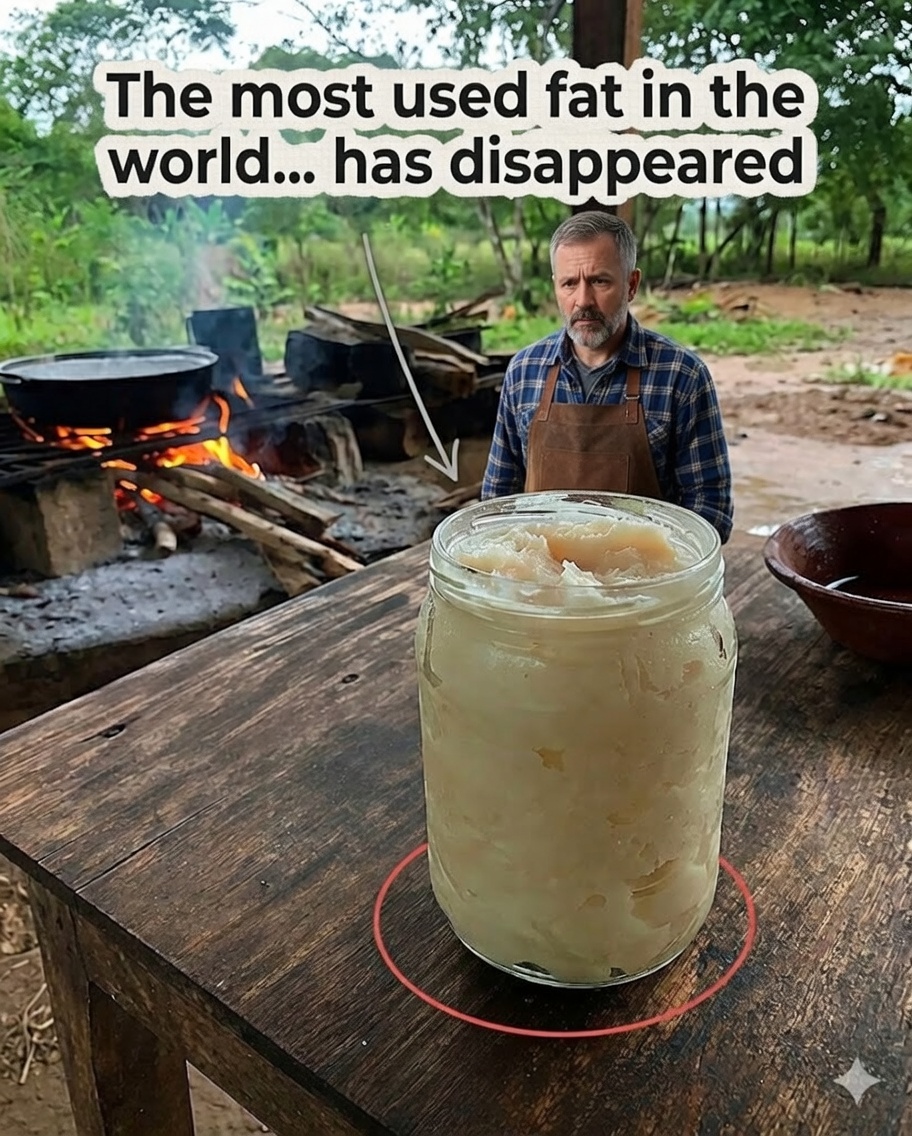
Lard is an animal fat obtained by slowly melting (rendering) the fatty tissue of pigs. The process is straightforward and does not require chemical additives or highly complex industrial methods.
From a nutritional perspective, lard contains:
- Saturated fats
- Monounsaturated fats
- Small amounts of fat-soluble vitamins
Compared with many modern refined oils, lard is minimally processed, making it a more “whole” or traditional option.
Why Was Lard So Popular in the Past?
For generations, lard was the backbone of home cooking in many cultures. It was used for frying, baking, sautéing, and even preserving foods.
Its popularity came from several practical advantages:
- Easy to obtain
- Inexpensive
- Long shelf life
- Reliable performance in cooking and frying
Traditional societies also aimed to use every part of the animal, so rendering fat into lard was a logical, sustainable practice that reduced waste.
The Key Advantage: Heat Stability
When choosing a fat for cooking, one crucial factor is how well it tolerates high heat.
Because lard is rich in saturated and monounsaturated fats, it tends to be more stable at elevated temperatures. When fats are overheated, they can:
- Oxidize
- Form harmful by-products
- Lose nutritional quality
Lard is less prone to oxidation than many vegetable oils that are high in polyunsaturated fats. This relative stability gives it a notable advantage for high-heat cooking.
The Shift to the Industrial Era
If lard worked so well, why did it lose its place in the kitchen?
The main reason is industrial development. In the early 20th century, large-scale production of vegetable oils took off, driven by crops such as soy, corn, and rapeseed (canola).
However, these oils came with challenges:
- Less stable at high temperatures
- Often less appealing in flavor
- Faster to oxidize and go rancid
To overcome these issues, the food industry introduced processes such as:
- Refining
- Deodorizing
- In some cases, hydrogenation
These methods extended shelf life and enabled mass production, but they also increased the distance between the final product and its natural state.
How Our Perception of Fats Changed
As industrial oils spread, public messaging around fats changed dramatically:
- Animal fats began to be labeled as harmful
- Vegetable oils were promoted as the “healthier” alternative
This shift happened alongside a rise in ultra-processed foods and a move away from traditional cooking methods.
What Does Modern Science Say?
Today, the scientific view of fats is far more nuanced. Rather than dividing fats into “good” and “bad,” researchers focus on:
- The type of fat
- The degree of processing
- How the fat is used in real life
About lard:
- ✔ Good stability at high temperatures
- ✔ Contains monounsaturated fats similar to those found in olive oil
- ✔ Suitable for frying and other high-heat methods
About vegetable oils:
- ✔ Some are excellent when used cold (like extra virgin olive oil)
- ✔ Often provide essential fatty acids
- ✘ Can be unstable when highly refined and subjected to high heat
The takeaway: context and usage matter as much as the type of fat itself.
The Real Issue: How We Use Fats
A common mistake is to blame health problems solely on one type of fat.
In reality, three factors play a major role:
- Cooking temperature
- Level of processing and refinement
- Overall quantity consumed
Any fat—animal or plant-based—can be harmful in excess or when used improperly.
Why Is Lard Making a Comeback?
Lard is experiencing a quiet revival for several reasons:
- Growing interest in natural, minimally processed foods
- Renewed appreciation for traditional cooking methods
- Desire to rediscover authentic flavors and textures
Many chefs and home cooks are once again valuing lard for its performance and taste.
Practical Comparison: Lard vs. Vegetable Oils
Lard
- Highly heat-stable
- Minimally processed (especially when traditionally rendered)
- Excellent for frying and baking
- Rich, distinctive flavor
Vegetable and Seed Oils
- Heat stability varies widely by type
- Often more processed (refined, bleached, deodorized)
- Ideal for salads, dressings, and gentle cooking when chosen carefully
- Typically more neutral in taste
So, Which Fat Should You Choose?
There is no single “perfect” fat. A balanced approach is usually best.
Use lard for:
- Deep frying or pan-frying
- High-temperature roasting and sautéing
- Traditional recipes that rely on its specific flavor and texture
Use quality vegetable or seed oils for:
- Salads and cold dishes
- Sauces, dips, and marinades
- Low to medium-heat cooking, especially with stable oils like olive oil
Busting Common Myths About Fats
-
❌ “Lard is always bad for you.”
→ Not necessarily. Its impact depends on quality, quantity, and how it is used. -
❌ “Vegetable oils are always healthy.”
→ It depends on the type of oil, how refined it is, and whether it’s heated. -
❌ “There is one ideal fat everyone should use.”
→ No single fat is perfect in all situations. Variety and balance are key.
Conclusion: Returning to Basics
Lard is neither a villain nor a miracle cure. It is a traditional cooking fat with useful properties, especially for high-heat applications.
Vegetable oils also have an important role, particularly when used cold or at low temperatures and when minimally processed.
The essential lessons are:
- ✔ Understand what you’re using and how it’s made
- ✔ Match the fat to the cooking method
- ✔ Favor simple, natural, and minimally processed options whenever possible
In a world full of conflicting nutrition advice, returning to simple, traditional, and thoughtfully chosen ingredients may be one of the most sensible choices you can make.