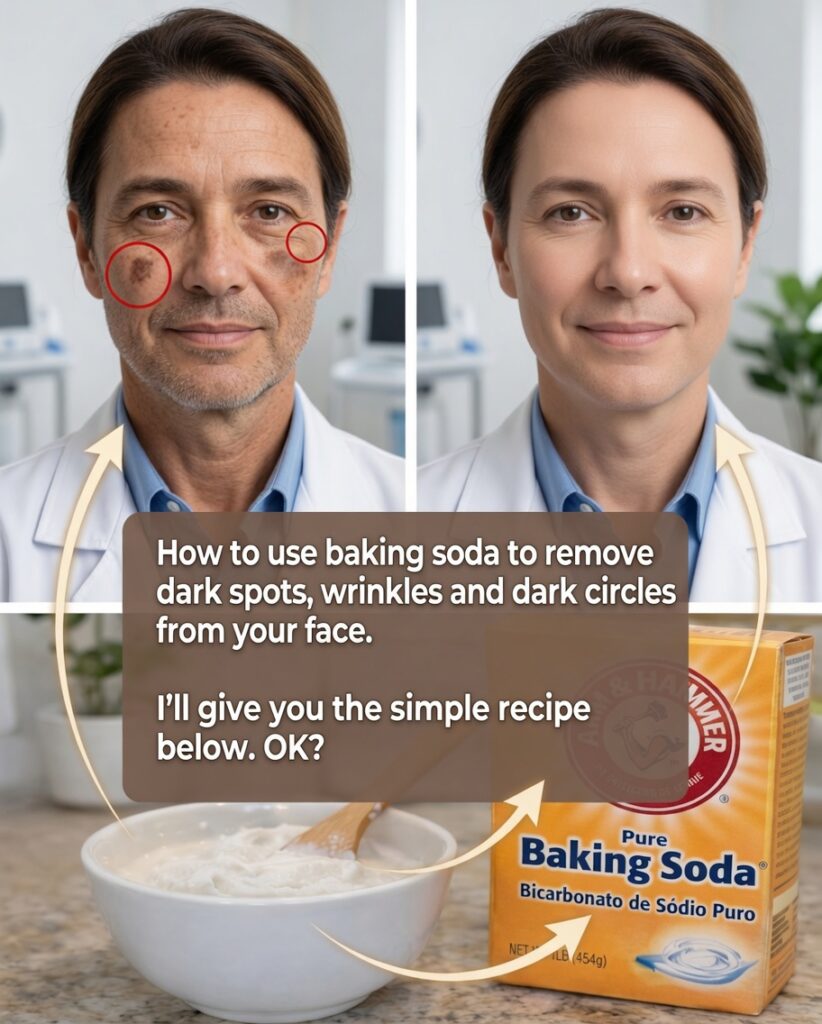
Baking Soda on Your Face: A Natural Fix for Blackheads—or a Hidden Skin Hazard?
Struggling with oily skin, stubborn blackheads, or rough, uneven texture can make any skincare routine feel discouraging. Many people spend heavily on promising products in search of a clear, radiant glow—yet the shine returns, pores clog again, and the complexion still looks uneven. That’s why “quick and cheap” DIY solutions from the kitchen often feel tempting.
One commonly suggested ingredient is baking soda (sodium bicarbonate). It can seem like an easy trick for smoother, cleaner-looking skin. But there’s an important catch: when used incorrectly, baking soda may do more harm than good, especially to your skin barrier.
This article breaks down what experts and available research say about using baking soda on the face—including potential benefits, real risks, and safer alternatives that can help you achieve healthier skin without compromising it.
What Is Baking Soda, and Why Do People Put It on Their Skin?
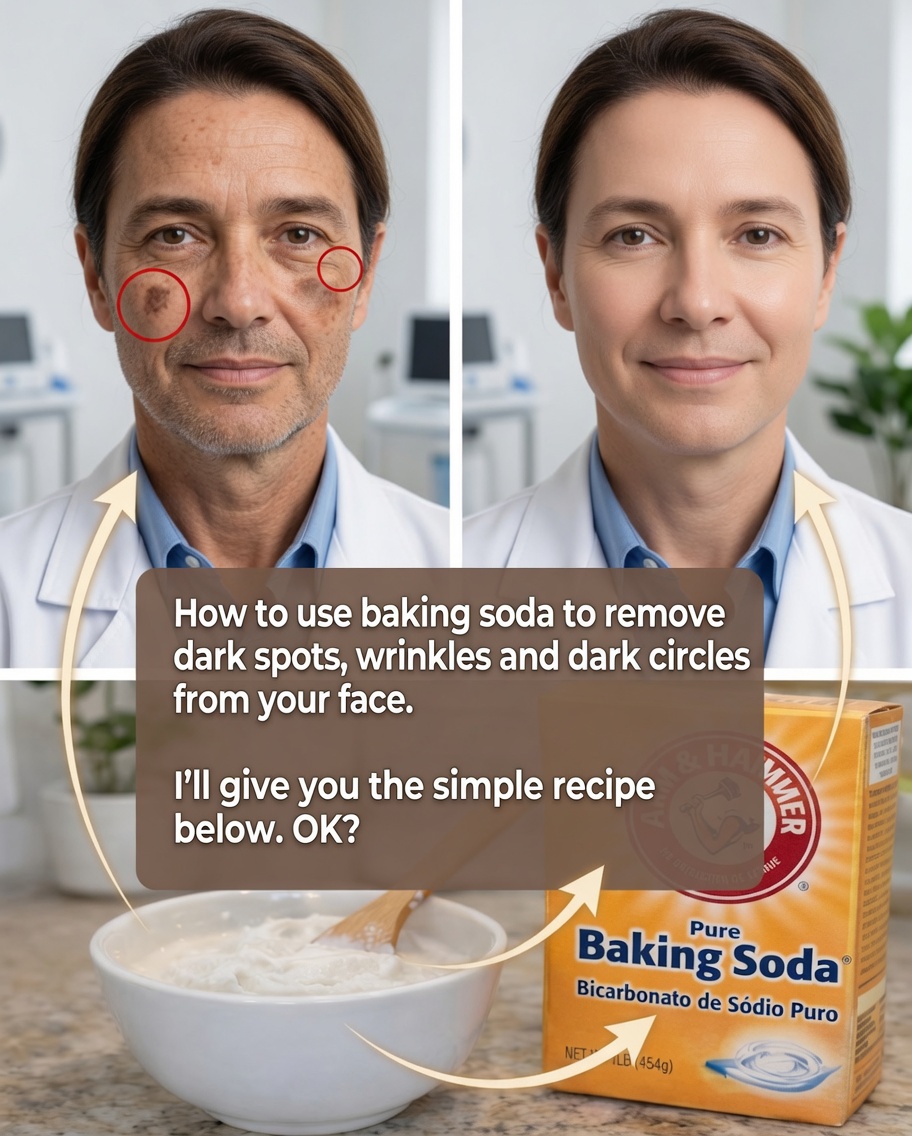
Baking soda, also known as sodium bicarbonate, is an alkaline powder widely used in cooking, household cleaning, and odor neutralization.
In skincare DIY culture, it became popular because:
- Its fine texture can act like a scrub
- It can temporarily absorb oil (sebum)
- Some people believe it helps reduce pimples and blackheads
Before trying any home remedy, though, it’s essential to understand how it interacts with your skin’s natural biology—especially its protective outer layer.
Possible Benefits of Baking Soda for the Face
Scientific evidence on baking soda as a facial treatment is still limited. That said, a few properties may offer short-term effects in specific cases.
Mild physical exfoliation
Because it contains tiny particles, baking soda can provide light mechanical exfoliation, helping lift dead skin cells. This may leave the face looking temporarily smoother and brighter—one reason it appears in homemade scrubs.
Temporary oil absorption
For very oily skin, baking soda may soak up some surface oil, creating a more matte look right after rinsing.
Weak antibacterial activity (not acne treatment)
Some research suggests baking soda can show antibacterial effects in certain contexts. In theory, this could reduce some surface bacteria. However, this effect is mild and unreliable, and it should not be viewed as a dependable acne solution.
Even if these benefits sound appealing, there’s a major downside many people only discover after irritation shows up.
The Real Risks: Why Dermatologists Urge Caution
The biggest concern is pH. Baking soda is highly alkaline, with a pH around 9.
Healthy skin naturally sits at a slightly acidic pH—roughly 4.5 to 5.5—known as the acid mantle. This protective layer helps:
- defend against harmful bacteria
- retain moisture
- support the skin barrier and overall skin health
When you apply a strongly alkaline ingredient to the face, it can disrupt this balance and weaken the barrier.
Potential side effects include:
- Excessive dryness
- Tight, “stripped” feeling
- Redness and irritation
- Increased sensitivity
- Acne that worsens over time (due to inflammation and barrier disruption)
Experts frequently warn that disturbing the skin’s natural pH can contribute to inflammation and barrier damage—especially if you have sensitive, dry, or acne-prone skin.
How to Use Baking Soda on the Face More Safely (If You Still Choose to Try)
If you are determined to experiment, take precautions to minimize risk. Even then, many people may be better off avoiding it.
1) Patch test first
Mix a small amount of baking soda with water and apply it to your inner forearm. Wait 24 hours to check for redness, itching, or irritation.
2) Make a gentle paste
Mix 1 teaspoon of baking soda with enough water to create a soft paste.
3) Apply lightly
Massage very gently in circular motions for 30–60 seconds, focusing only on the oiliest areas (not the entire face if you’re sensitive).
4) Don’t leave it on too long
If using it like a mask, keep it on for no more than 5–10 minutes.
5) Rinse thoroughly
Use lukewarm water and pat the skin dry—no rubbing.
6) Moisturize immediately
Apply a mild, fragrance-free moisturizer to help restore comfort and hydration.
Limit use to once or twice per week at most. If you feel burning, see redness, or notice irritation, stop right away.
Safer Alternatives for Exfoliation, Clearer Pores, and Smoother Texture
Instead of risking your skin barrier, consider options that are generally more skin-friendly and evidence-based.
Gentle exfoliating acids
Ingredients such as salicylic acid (BHA), glycolic acid (AHA), or lactic acid (AHA) can exfoliate more evenly and help keep pores clearer—often with less barrier disruption when used properly.
pH-balanced cleansers
A cleanser close to skin’s natural pH (around 5.5) helps maintain the acid mantle rather than stripping it.
Natural clay masks
Clays like kaolin, white clay, or bentonite can absorb excess oil without the same pH shock that baking soda can cause.
Dermatologist guidance
A dermatologist can recommend treatments tailored to your skin type and concerns—especially if acne, irritation, or sensitivity is ongoing.
Conclusion
Using baking soda on the face may provide mild exfoliation and short-lived oil control, but its highly alkaline pH can disrupt the skin’s natural protective barrier. For most people, the risk of dryness, irritation, sensitivity, and long-term imbalance outweighs the potential benefits.
A gentle, pH-respecting routine supported by proven ingredients is usually the most reliable way to maintain healthy, glowing skin over time. Your skin does best with care that strengthens its defenses—not weakens them.
Frequently Asked Questions
Does baking soda help treat acne?
Evidence is limited. While it may absorb oil temporarily, many dermatologists discourage using baking soda for acne because it can irritate the skin, disrupt the barrier, and potentially make breakouts worse.
How often can I use baking soda on my face?
At most 1–2 times per week, and only diluted. Many people—especially those with sensitive, dry, or acne-prone skin—should avoid it entirely.
What should I do if my skin gets irritated?
Rinse immediately, apply a calming moisturizer, and stop using it. If irritation continues or worsens, consult a dermatologist.
Important Notice
This article is for informational purposes only and does not replace medical advice. Baking soda is not an approved treatment for skin diseases. Always consult a dermatologist or qualified healthcare professional before trying new skincare methods, especially if you have sensitive skin or any dermatologic condition.