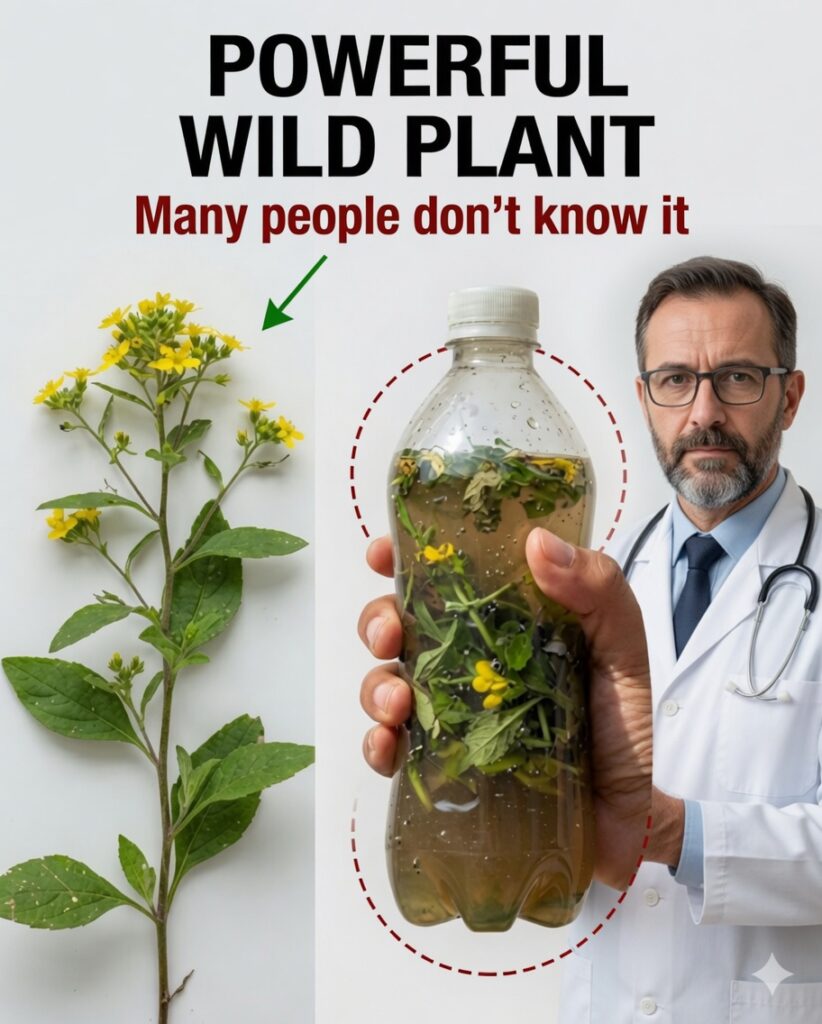
Natural Remedy or Clever Illusion? This “Candelabro” Plant May Surprise You
The plant commonly called candilillo or candelabro has gone viral across social media and health forums. It is often promoted as a powerful natural remedy that can supposedly treat a wide range of health problems—sometimes even described as a “miracle plant.”
But how much of this is true, and how much is just online hype?
This guide offers a clear, evidence-based overview to help you understand what this plant really is, what it can and cannot do, and what risks it may pose.
What Is Candilillo, Really?
The word “candilillo” does not refer to one single, universally defined plant. Depending on the country or region, it may describe different species, often:
- Cactus-like plants
- Succulent trees
- Plants from the Euphorbia genus
Many of these are called “candelabro” because their branching shape resembles a candelabrum.
Some of these plants:
- Grow as large, tree-like succulents
- Can reach several meters in height
- Have a history of use in various traditional healing practices
This diversity is one of the main reasons for the confusion you see online: different plants with similar names are often mixed up, and their properties are generalized or exaggerated.
Traditional Uses in Folk Medicine
In several cultures, plants referred to as candilillo or candelabro have been used empirically for:
- Skin problems
- Muscle pain
- Inflammation
- As strong purgatives
In many traditional remedies, parts of the plant are combined with other ingredients in homemade preparations.
However, these uses are based on traditional knowledge and anecdotal experience, not on modern clinical research. That means they should be viewed as historical practices rather than proven medical treatments.
Claimed Benefits vs. Reality
Online content often attributes a long list of benefits to candilillo, such as:
- Reducing inflammation
- Fighting fungal infections
- Relieving pain
- Improving skin appearance
It is important to separate what might be possible from what is clearly overstated.
What might be realistic:
- Some species do contain compounds with potential anti-inflammatory or antimicrobial activity.
- In certain cases, they may be used in external, carefully controlled applications within traditional medicine.
What is clearly exaggerated:
- They do not cure diseases on their own.
- They cannot replace proper medical treatment or prescribed medication.
- There is no solid clinical evidence in humans to support “miracle” health claims.
In other words, the plant may have limited, specific uses, but it is far from being a universal cure.
The Often Ignored Risks
This is the most critical point.
Many plants from the Euphorbia genus—and other similar “candelabro” plants—are:
- Toxic, especially when ingested
- Producers of a milky latex (sap) that is highly irritating
- Capable of causing skin burns, blisters, or eye damage
Even brief contact with the sap can lead to:
- Intense skin irritation
- Redness, burning, or blistering
- Severe eye injuries if it splashes into the eyes
These risks are frequently left out of viral posts and videos that promote the plant as a harmless natural cure.
What Does Science Say?
Based on current scientific knowledge:
- Human clinical studies on these plants are very limited or nonexistent.
- Most claims are based on traditional use, animal studies, or lab experiments, not on rigorous human trials.
- There is no strong scientific proof that candilillo or candelabro plants have exceptional or “miraculous” healing effects.
This does not mean the plant is useless—but it does mean that any use should be cautious, informed, and realistic.
Why Is This Plant So Popular Online?
Several factors contribute to its viral appeal:
- Impressive testimonials shared on social media
- Confusion between different species all called candilillo or candelabro
- Mild or coincidental improvements interpreted as dramatic results
In the age of quick fixes and “natural detox” trends, any plant presented as a miracle solution can rapidly gain attention—especially when nuanced information about risks is missing.
Myths You Should Absolutely Avoid
Be particularly skeptical of claims such as:
- “Quickly cures infections”
- “Regenerates the entire body”
- “100% safe for everyone”
None of these statements are backed by solid scientific evidence.
Relying on such promises can delay proper medical care, worsen existing conditions, or expose you to serious side effects.
Using Medicinal Plants Safely
If you are interested in natural or herbal remedies, consider these safety guidelines:
- Avoid using unknown plants just because they are trending online.
- Do not apply plant sap directly to skin or eyes without expert guidance—especially with plants known to be irritating or toxic.
- Consult a qualified health professional (doctor, pharmacist, or trained herbalist) before trying new remedies.
- Prioritize remedies that are well-studied, regulated, and recommended by healthcare providers.
- Never stop prescribed treatments in favor of a plant remedy without medical advice.
Conclusion: Fascinating, But Not a Miracle Cure
The candilillo or candelabro plant is undeniably intriguing, with a rich background in traditional medicine and striking visual appearance. However, it also carries significant risks, especially due to its potentially toxic and irritating sap.
- It may have limited, specific uses, particularly in carefully controlled external applications.
- It is not a miracle cure, not a replacement for medical treatment, and not harmless for everyone.
The most important tools you can use are accurate information, caution, and critical thinking—especially when faced with grand promises and viral health claims.