Aloe Vera Gel and Cornstarch (Maicena) for Skin Care: Benefits, Recipe, and Safety Tips
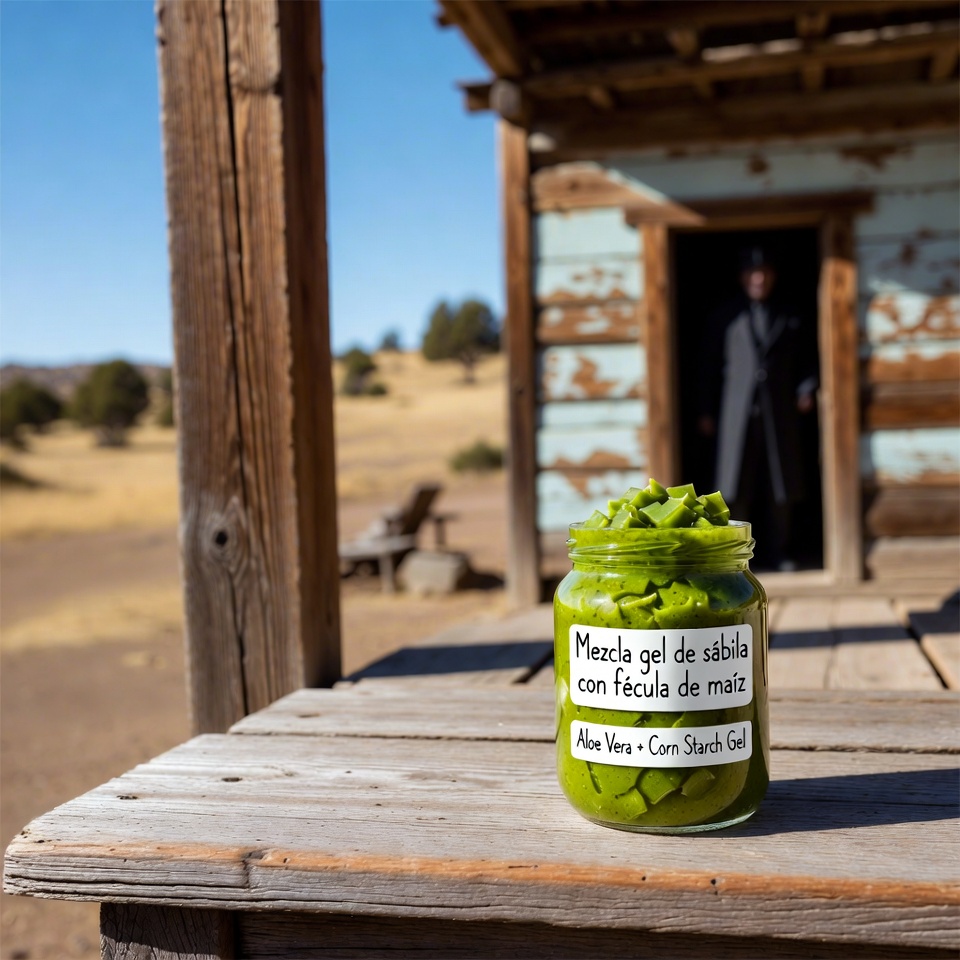
The blend of aloe vera gel and cornstarch (maicena) is a well-known DIY option in natural skincare. Many people use it to moisturize, soften, and soothe mild irritation, especially when they want a simple, gentle routine.
Key Benefits of This Mixture
Aloe Vera Gel Benefits
Aloe vera gel is valued in skincare because it can:
- Hydrate deeply, helping the skin feel more comfortable and supple
- Soothe mild redness or irritation, especially after dryness or minor sensitivity
- Provide vitamins and antioxidants that support healthy-looking skin
Cornstarch (Maicena) Benefits
Cornstarch is often used in home remedies due to its light texture and skin feel. It may:
- Work as a gentle absorbent, which can be helpful for oily or combination skin
- Leave a soft, smooth finish and a mild “fresh” sensation
- Thicken aloe gel, creating a mask-like paste that’s easier to spread and keep in place
Why the Combination Works
When mixed, aloe vera and cornstarch form a lightweight paste that may help:
- Calm sensitive or irritated skin
- Soften rough or dry patches
- Improve the overall texture of the skin with consistent use
How to Make Aloe Vera and Cornstarch Paste
Ingredients
- 2 tablespoons of pure aloe vera gel
- 1 teaspoon of cornstarch (maicena)
Instructions
- Combine the aloe vera gel and cornstarch in a small bowl.
- Stir until you get a smooth, even paste with no lumps.
- Apply to clean skin, focusing on dry, rough, or mildly irritated areas.
- Leave on for 15–20 minutes.
- Rinse with lukewarm water.
- Finish with your regular moisturizer to seal in hydration.
Recommended Frequency
Use 1–2 times per week, depending on how your skin responds.
Precautions and Safety Notes
- Do a patch test first (apply to a small area and wait to check for irritation).
- Do not use on open wounds or severe irritation.
- Avoid direct sun exposure immediately after use, as your skin may feel more sensitive.
Conclusion
An aloe vera and cornstarch mask can be a practical, natural option to hydrate, soften, and soothe the skin—especially for mild dryness or minor irritation. It is not a replacement for medical or dermatological treatment, but it can be a safe addition when used carefully.
Important
Always consult a dermatologist before trying new DIY skincare remedies—particularly if you have sensitive skin or a specific skin condition.